Bicom Systems PBXware 7.6 Integrates AI for Call Greetings and Transcription, Signaling a New Wave of Feature-Led UCaaS Competition
📰Original Source: Bicom Systems BlogBicom Systems has integrated new artificial intelligence capabilities directly into its core PBXware platform, a move that signals a shift from foundational UCaaS delivery to AI-driven feature competition among telecom operators and service providers. According to a January 29, 2026 announcement…
Bicom Systems has integrated new artificial intelligence capabilities directly into its core PBXware platform, a move that signals a shift from foundational UCaaS delivery to AI-driven feature competition among telecom operators and service providers. According to a January 29, 2026 announcement from the company, the release of PBXware version 7.6 introduces two key AI-powered tools: automated voice greeting generation and call recording transcription. For telecom operators and service providers, this integration represents a critical path to higher-margin, value-added services that can be layered onto existing SIP trunking and hosted PBX offerings without significant new infrastructure investment. The AI features are embedded within the platform’s administration interface, enabling managed service providers (MSPs) and telecom operators to offer these capabilities as billable add-ons, potentially increasing ARPU and reducing churn in a highly competitive UCaaS market.
Technical Architecture and Platform Integration: AI as a Native Service

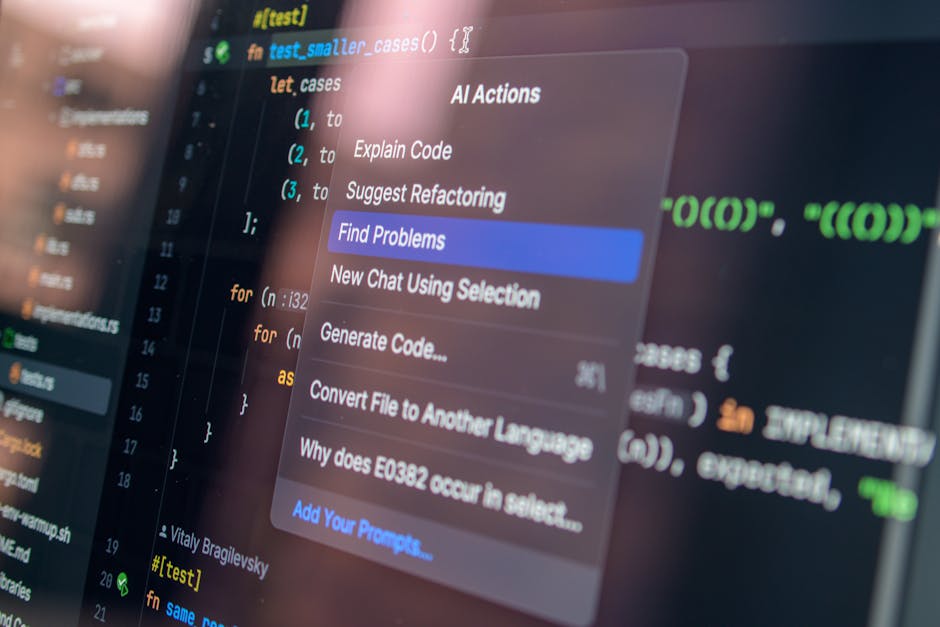
The deployment model for these AI features is central to their strategic value for operators. Bicom Systems has not opted for a bolt-on, third-party API model but has instead embedded the AI processing within the PBXware platform itself. The AI Voice Greeting Generator allows administrators to input text—such as a standard business greeting—and select from multiple AI-generated voice personas to produce a professional, natural-sounding audio file for IVRs and auto-attendants. This eliminates the need for professional voice talent recording sessions and studio time, allowing for rapid, on-demand customization of customer greetings.
The second feature, AI Call Recording Transcription, automatically converts recorded call audio into searchable text transcripts. This functionality addresses compliance, quality assurance, and training use cases for business customers. From a technical standpoint, the processing occurs within the Bicom platform’s ecosystem, which implies that call audio for transcription does not necessarily need to traverse external public cloud AI services unless specifically configured. This architecture offers potential advantages in data sovereignty, latency, and operational control—key considerations for telecom operators serving regulated industries or operating in regions with strict data localization laws. The integration appears as a seamless module within the PBXware 7.6 admin panel, suggesting a low barrier to adoption for service providers already operating on the Bicom stack.
Market Impact: Redefining the UCaaS Value Proposition for Operators

The introduction of platform-native AI tools by a major UCaaS software provider like Bicom Systems is a bellwether for the industry. It moves the competitive battleground beyond mere reliability, call quality, and per-seat pricing. Operators and service providers leveraging PBXware can now compete on intelligent feature sets, allowing them to differentiate their offerings to SMB and enterprise clients. The ability to quickly generate professional voice prompts reduces operational overhead for the operator’s own customer onboarding and support, while also providing a tangible, billable automation service to end-users.
For the broader UCaaS and CPaaS landscape, this development pressures competing platform vendors—such as MetaSwitch BroadWorks, FreeSWITCH distributions, and other commercial PBX platforms—to accelerate their own AI roadmaps. Telecom operators who are not yet offering AI-enhanced services risk being perceived as offering a commodity product. The financial model for these features is particularly attractive; they represent a software-based margin uplift with virtually zero incremental network cost. An operator can charge a premium of $2-$5 per user per month for AI transcription, translating directly to improved EBITDA margins on existing customer contracts. Furthermore, these features create “stickiness” by embedding intelligent workflows into the daily operations of business customers, making a service switch more disruptive.
Strategic Implications: A Template for Global and Emerging Market Operators
The implications of this AI integration extend deeply into global and emerging telecom markets, including Africa and the MENA region. In these markets, UCaaS adoption is accelerating as fiber and 4G/5G networks expand, but competition is fierce and price sensitivity is high. For operators in these regions, the Bicom Systems model provides a blueprint: leveraging a globally supported software platform to deliver advanced, AI-powered features that were previously the domain of large, Western-based cloud giants like Microsoft and Google.
This is significant for several reasons. First, it enables local and regional operators to retain value within their own service portfolios rather than seeing it captured by hyperscaler UCaaS offerings. An operator in Nigeria or Kenya can now offer a locally hosted, AI-enabled business phone system with features tailored to regional languages and accents, a competitive advantage over one-size-fits-all international solutions. Second, the platform-based approach can alleviate concerns about international bandwidth and latency for AI processing; transcription can occur in-region if the platform is hosted locally. Finally, for operators looking to move up the value chain from basic connectivity to digital services, AI-enhanced UCaaS represents a logical, high-margin adjacent market with clear cross-selling opportunities to their existing base of business broadband and mobile customers.
Forward-Looking Analysis: The Convergence of Telecom Networks and AI Workloads

The embedding of AI into core communications platforms like PBXware is not an isolated event but part of a broader convergence between telecom network infrastructure and distributed AI processing. The next logical evolution will see these AI features becoming more context-aware and predictive. Future platform releases may include real-time sentiment analysis during calls, automated meeting summarization, or AI-driven call routing based on caller intent and agent expertise.
For network operators, the strategic question evolves from “if” to “how” to integrate AI. The Bicom Systems approach shows one viable path: partnership with a software vendor that is aggressively embedding AI. Another path is for larger operators to develop their own AI service layers atop their IMS and UCaaS cores. Regardless of the path, the imperative is clear. AI is ceasing to be a separate, futuristic discussion and is becoming a core component of the modern communications service stack. Operators who fail to incorporate these capabilities risk ceding the high-value business services segment to more agile software-centric providers and hyperscalers. The release of PBXware 7.6 is therefore more than a product update; it is a marker in the ongoing transformation of telecom operators from bit-pipe providers to purveyors of intelligent, automated, and indispensable business communications.