FCC NG911 Reliability Rules Near Finalization, Mandating Robust Networks for Operators
📰Original Source: Beyond Telecom Law BlogThe Federal Communications Commission (FCC) is on the verge of finalizing a comprehensive overhaul of its 911 reliability and interoperability rules, signaling a significant regulatory shift that will impose stricter network performance and redundancy obligations on telecommunications carriers, mobile network…
The Federal Communications Commission (FCC) is on the verge of finalizing a comprehensive overhaul of its 911 reliability and interoperability rules, signaling a significant regulatory shift that will impose stricter network performance and redundancy obligations on telecommunications carriers, mobile network operators, and covered 911 service providers (C9SPs). According to a recent update from the legal blog Beyond Telecom Law Blog, the Commission is actively reviewing comments on its February 2025 Notice of Proposed Rulemaking (NPRM) and appears poised to issue a final rule in the near term. This regulatory action, driven by the transition from legacy circuit-switched 911 to Next Generation 911 (NG911) IP-based systems, will fundamentally reshape the technical and operational requirements for public safety communications infrastructure across the United States.
Technical Scope & Proposed Mandates: A Deep Dive into NG911 Network Requirements

The FCC’s proposed rules, detailed in the NPRM (DOC-403722A1), target the entire NG911 ecosystem, encompassing originating service providers (OSP), intermediate providers, and C9SPs. The core objective is to ensure “reliable, resilient, and interoperable” NG911 service, moving beyond the old paradigm focused solely on traditional wireline and wireless voice carriers. The proposed technical mandates are extensive and directly impact network architecture.
Key proposed requirements include:
- NG911 Reliability Metrics & Reporting: Providers must meet specific performance benchmarks for NG911 calls, including call completion rates, latency, and jitter thresholds tailored to IP-based traffic. The NPRM proposes mandatory quarterly reporting of outage data and performance metrics to the FCC, with public disclosure of aggregate data to increase transparency.
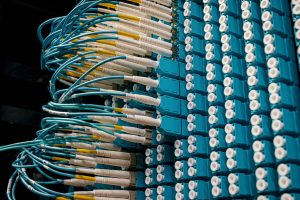
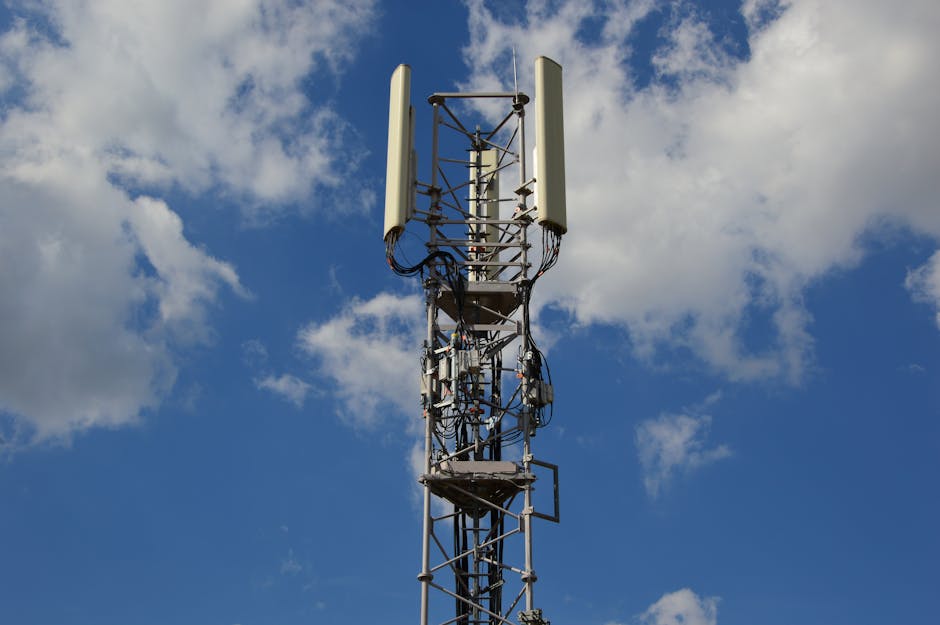
- Network Diversity & Redundancy: A central pillar of the NPRM is the mandate for “diverse and redundant” network paths for NG911 traffic. This requires operators to engineer their core and access networks with physically separate routing options, avoiding single points of failure. For fiber-based operators, this implies diverse fiber routes and dual homing to Public Safety Answering Points (PSAPs). For mobile operators, it mandates robust backup connectivity (e.g., satellite, microwave) for cell sites serving PSAPs.
- Cybersecurity Protocols: The rules explicitly require C9SPs and intermediate providers to implement “reasonable measures” to protect NG911 networks from cyberattacks, including ransomware and DDoS attacks. This will force operators to integrate advanced threat detection, segmentation, and incident response plans into their NG911 network operations.
- Interoperability & Standards Compliance: The FCC aims to enforce adherence to NG911 standards (such as NENA i3) to ensure seamless call routing and data exchange between disparate provider networks and PSAPs. This pushes operators toward standardized SIP signaling, ESInet architectures, and compatible geospatial routing databases.
- Expanded Covered Entity Definition: The NPRM broadens the definition of “covered 911 service provider” to include entities providing “NG911 connectivity”—a category that now explicitly encompasses fiber transport providers, cloud-based NG911 platform operators, and even certain data center providers hosting PSAP infrastructure.
The technical implications are profound. Network operators must now design their 911 access and transport layers with carrier-grade SLAs, incorporating real-time monitoring, automated failover, and hardened security postures that exceed typical commercial service standards.
Industry Impact: Capital Expenditure, Operational Overhead, and Competitive Dynamics

The finalization of these rules will trigger substantial capital expenditure (CapEx) and operational changes across the telecom sector. For incumbent local exchange carriers (ILECs) like AT&T, Verizon, and Lumen, and mobile network operators (MNOs) like T-Mobile and DISH Network, the mandates necessitate network upgrades that may not have been prioritized under commercial ROI models.
CapEx Implications: Operators will need to invest in:
- Diverse Fiber Builds: Extending redundant fiber routes to PSAPs, especially in rural and suburban areas where existing infrastructure may be single-homed.
- Backhaul Reinforcement: MNOs must ensure critical cell sites have diverse backhaul (e.g., fiber + microwave/satellite) to maintain 911 service during fiber cuts or central office failures.
- Monitoring & Analytics Systems: Implementing sophisticated NG911-specific network performance monitoring (NPM) tools capable of measuring SIP call success rates, latency, and jitter in real-time.
- Security Infrastructure: Deploying next-generation firewalls, intrusion prevention systems (IPS), and encrypted VPNs specifically for the 911 traffic VLANs.
Operational Overhead: The quarterly reporting requirement creates a new administrative burden. Network operations centers (NOCs) must develop processes to isolate NG911 performance data from general network metrics and generate FCC-compliant reports. Compliance teams must be expanded or trained to handle the new regulatory scrutiny.
Competitive & Market Implications: The rules could reshape the competitive landscape for 911 service provision. Smaller regional fiber providers and competitive local exchange carriers (CLECs) may face higher compliance costs relative to scale, potentially consolidating the market for NG911 transport among larger, nationwide operators with existing robust networks. Conversely, specialized “911-as-a-Service” providers like Comtech Telecommunications, Motorola Solutions, and ATI Systems may see increased demand as PSAPs and operators look to outsource compliant NG911 platform management.
The FCC’s push also accelerates the sunset of legacy TDM 911 circuits. Operators must now actively migrate PSAP connections from T1/E1 circuits to SIP-trunked fiber or dedicated Ethernet connections, driving fiber deeper into public safety infrastructure.
Strategic Implications for Global Telecom: Benchmark for Critical Communications Regulation

While the FCC rules are U.S.-specific, they establish a global benchmark for regulating critical communications infrastructure in the IP era. Other national regulators—such as the European Commission’s BEREC, the UK’s Ofcom, or Canada’s CRTC—are likely to observe the FCC’s framework as they modernize their own emergency service regulations.
African & MENA Telecom Context: In regions where NG911 or equivalent emergency service modernization is underway, such as South Africa’s migration to IP-based emergency calls or Saudi Arabia’s national emergency communication projects, the FCC’s emphasis on redundancy and cybersecurity provides a template. Operators like Vodacom, MTN, or STC could face similar future mandates, prompting proactive network hardening. The requirements for diverse routing particularly resonate in regions prone to natural disasters or infrastructure fragility, pushing operators to integrate satellite backup (via GEO or LEO constellations like Starlink) into their emergency service designs.
Infrastructure Investors & Vendors: The regulatory shift creates a tangible demand signal for network infrastructure vendors. Companies like Ciena, Cisco, Nokia, and Juniper will see increased orders for high-availability routing and session border controllers (SBCs). Fiber construction firms and tower companies will benefit from projects aimed at achieving route diversity. Satellite connectivity providers, including SpaceX, Intelsat, and Viasat, may find new markets in providing FCC-compliant backup for rural PSAP connectivity.
The rules also underscore the convergence of telecom and public safety as a distinct, regulated vertical—a trend that network operators must strategically embrace rather than treat as a compliance afterthought.
Forward-Looking Analysis: NG911 as a Network Performance Anchor
The imminent finalization of the FCC’s NG911 reliability rules marks a pivotal moment where public safety requirements become a primary driver of core network design. For telecom operators, NG911 is no longer a niche application but a foundational service that dictates redundancy levels, security posture, and performance monitoring across their networks.
Operators should anticipate the final rule to be issued within the 2026 calendar year, with compliance deadlines likely staged over 12-24 months. Strategic preparation should begin now:
- Network Audits: Conduct gap analyses of current 911 access routes, PSAP connections, and backup mechanisms against the proposed diversity mandates.
- Vendor Engagement: Work with infrastructure vendors to design compliant solutions, especially for rural and hard-to-reach PSAPs.
- PSAP Coordination: Engage with local and state PSAP authorities to plan migration from legacy TDM circuits to SIP-based NG911 connections, ensuring alignment with FCC interoperability standards.
- Budget Reallocation: Prioritize CapEx for 911 network hardening in upcoming fiscal plans, recognizing that non-compliance could result in significant FCC penalties and reputational damage.
Ultimately, the FCC’s action elevates NG911 network reliability to a tier equivalent to national security communications. For the telecom industry, this represents both a substantial operational challenge and a strategic opportunity to demonstrate the robustness of modern IP networks in serving society’s most critical needs.