
Tata iPhone Factory Pollution Allegation Raises Supply Chain, ESG Risk for Telecom OEMs
📰Original Source: ETTelecomIndia’s Tamil Nadu Pollution Control Board (TNPCB) has accused Tata Electronics’ iPhone parts factory in Hosur of contaminating local farmland groundwater, escalating environmental, social, and governance (ESG) risks for the global telecom and device manufacturing supply chain, according to a report from ETTelecom.…
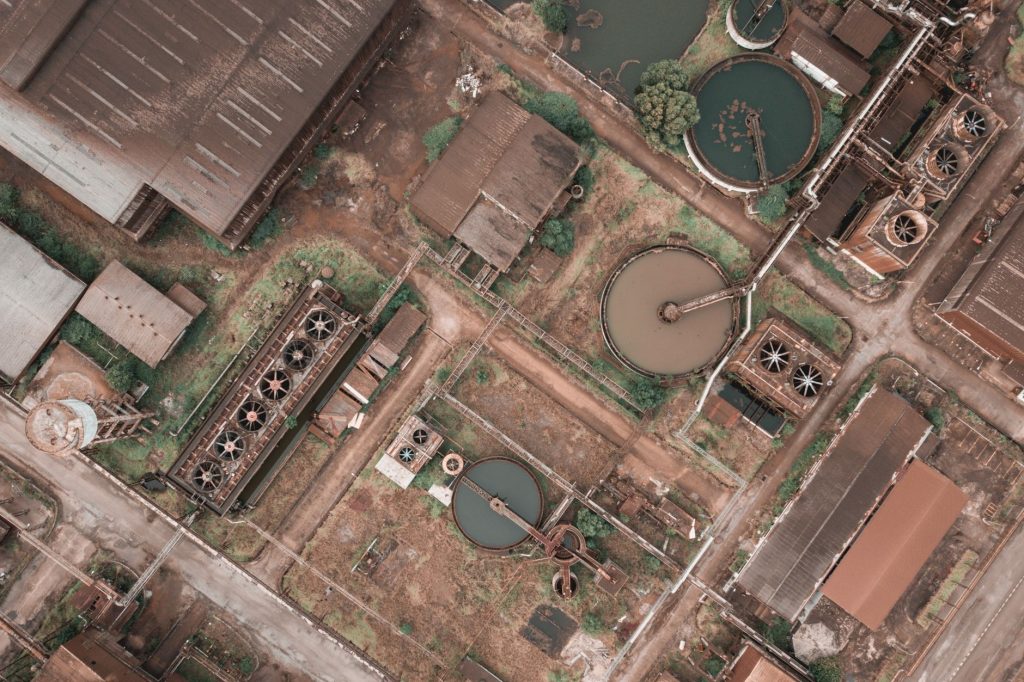
India’s Tamil Nadu Pollution Control Board (TNPCB) has accused Tata Electronics’ iPhone parts factory in Hosur of contaminating local farmland groundwater, escalating environmental, social, and governance (ESG) risks for the global telecom and device manufacturing supply chain, according to a report from ETTelecom. The regulator alleges wastewater from the facility, which produces enclosures and other components for Apple, polluted adjacent wells used for irrigation, threatening agricultural land and community health. The TNPCB has demanded corrective action within 15 days or faces potential closure, a move that could disrupt a critical node in Apple’s accelerated “Make in India” production shift and signal heightened regulatory scrutiny for all electronics manufacturers serving the telecom sector.
The allegations center on Tata Electronics’ 500-acre plant in the Krishnagiri district, a cornerstone of India’s push to become a major electronics export hub. For telecom network operators and device vendors, the incident underscores the growing operational and reputational liabilities embedded within complex, globalized hardware supply chains. It directly challenges the industry’s public commitments to sustainable manufacturing and responsible sourcing, principles increasingly mandated by institutional investors and corporate procurement policies.
Technical Deep Dive: The Alleged Contamination and Regulatory Stance

The TNPCB’s show-cause notice, issued in early June 2026, follows inspections triggered by complaints from local farmers. The core allegation is that improperly treated or discharged industrial wastewater from the Tata Electronics facility has seeped into the shallow aquifer, contaminating groundwater in wells surrounding the factory. The pollutants of concern, common in electronics manufacturing, likely include heavy metals (such as chromium, nickel, or copper from plating and finishing processes), solvents, and acidic or alkaline effluents from cleaning and etching.
From a technical compliance perspective, the facility is required to operate a zero-liquid discharge (ZLD) or advanced effluent treatment plant (ETP) to treat wastewater to standards safe for discharge or reuse. The TNPCB’s allegation suggests a failure in this treatment process, a containment breach in storage lagoons, or an unauthorized discharge point. The regulator’s 15-day ultimatum for a corrective action plan is a standard but serious enforcement step under India’s Water (Prevention and Control of Pollution) Act, 1974, and Environment (Protection) Act, 1986. Non-compliance can lead to orders to cease operations, substantial fines, and criminal liability for company officers.
For telecom infrastructure providers, this is not an isolated incident but a case study in the environmental footprint of hardware production. The manufacturing of network equipment, from radio units to server racks, and end-user devices involves similar processes—metal fabrication, PCB etching, plating, and assembly—each generating hazardous waste streams. The Tata case highlights the critical importance of on-site environmental management systems (EMS) and independent auditing, especially in regions where rapid industrial expansion can outpace regulatory capacity.
Industry Impact: Supply Chain Disruption and ESG Scrutiny for Telecom

The immediate industry impact revolves around supply chain resilience. Tata Electronics has become a pivotal supplier for Apple in India, part of a strategic diversification away from China. Any protracted shutdown or operational constraint at the Hosur plant would directly affect the production volume and timing of iPhones destined for global markets, including those sold through telecom operator channels. For Mobile Network Operators (MNOs) with device-subsidy programs, such disruptions can delay product launches and inventory availability, impacting subscriber acquisition and upgrade cycles.
Beyond logistics, the allegations trigger a severe ESG review. Apple, like most major tech and telecom OEMs, publishes annual supplier responsibility reports detailing environmental and labor standards. A confirmed violation at a key supplier like Tata damages the credibility of these reports and exposes the brand and its partners, including telecom carriers that market these devices, to activist and consumer backlash. Institutional investors applying ESG filters may scrutinize the entire telecom hardware ecosystem more closely, potentially affecting valuations for companies with weak supply chain oversight.
Furthermore, this incident will force telecom procurement teams to reevaluate vendor due diligence. Questionnaire-based compliance is often insufficient. Operators and large enterprises may demand more rigorous, evidence-based audits of their suppliers’ environmental practices, including real-time monitoring data from treatment facilities. The cost of compliance—investing in advanced ZLD systems, third-party audits, and community engagement—will inevitably be factored into component pricing, adding upward pressure on network equipment and device costs.
Strategic Implications for Manufacturing Hubs: India, Southeast Asia, and Africa
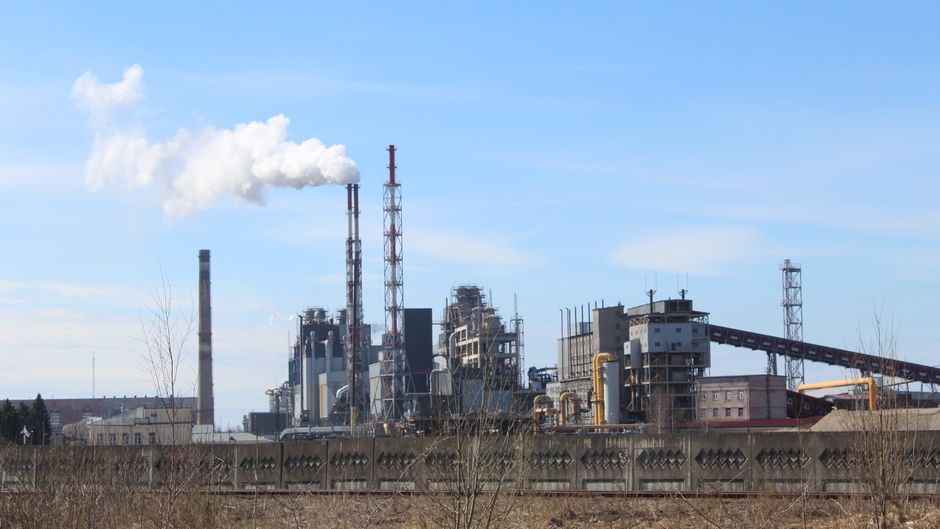
The Tata case has profound implications for emerging manufacturing hubs vying for telecom and electronics investment. India’s “Production Linked Incentive” (PLI) scheme has successfully attracted major players like Foxconn, Pegatron, and Tata to set up shop. However, this rapid scaling tests local environmental governance. A high-profile enforcement action signals that Indian regulators, under domestic and international pressure, are willing to confront powerful industrial players. This increases the regulatory risk premium for all manufacturers in the region, potentially slowing investment or redirecting it to jurisdictions perceived as having more predictable (whether stricter or more lenient) enforcement.
This dynamic affects strategic planning for the telecom sector globally. As companies seek to nearshore or friendshore production for geopolitical and logistical reasons, environmental due diligence becomes as crucial as labor costs and infrastructure. Southeast Asian nations like Vietnam and Thailand, and African countries like Egypt or Kenya, promoting themselves as the next electronics assembly corridors, will be watched for how they balance industrial growth with environmental protection. Telecom OEMs will need to model not just tax incentives but also the long-term cost of environmental compliance and the risk of operational shutdowns.
For Africa, where many nations are actively seeking to establish local device assembly and network equipment plants to reduce import dependence, the lesson is clear: attracting investment requires building robust regulatory frameworks and enforcement capacity *before* large-scale manufacturing begins. Failure to do so risks repeating the conflicts between industrial development and agricultural communities seen in Hosur, undermining the social license to operate and destabilizing the very supply chains these investments aim to create.
Forward-Looking Analysis: The Greening of the Telecom Hardware Chain

The Tata Electronics allegation is a watershed moment, accelerating several existing trends in the telecom industry. First, it will catalyze a move towards greater supply chain transparency. Technologies like blockchain for material provenance and IoT sensors for real-time effluent monitoring will transition from pilot projects to procurement requirements. Second, “Circular Economy” principles—designing devices for easier repair, refurbishment, and recycling—will gain further urgency as a way to reduce the environmental burden of primary manufacturing.
Third, regulatory harmonization will become a key industry lobbying goal. Telecom OEMs operating across dozens of countries face a patchwork of environmental standards. A push for common, stringent international benchmarks for electronics manufacturing waste could simplify compliance and level the competitive playing field, even if it raises the floor for all players.
Finally, the incident reinforces that ESG is not a peripheral concern but a core operational and financial risk. Telecom operators, as major consumers of hardware, have significant leverage. By embedding stringent environmental criteria into their supplier codes of conduct and procurement scoring, they can drive industry-wide change. The future telecom network will be judged not only on its speed and latency but on the sustainability of its physical footprint, from the factory floor to the data center. The events in Hosur are a stark reminder that this transformation is both necessary and already underway.