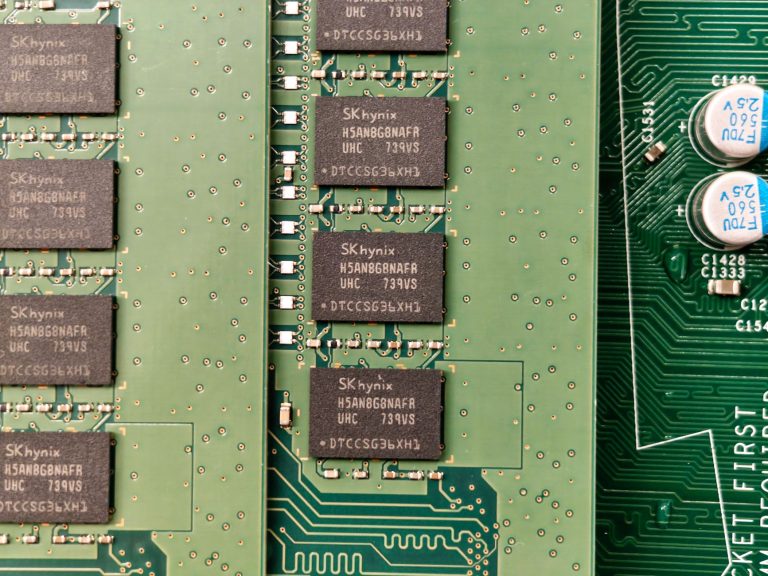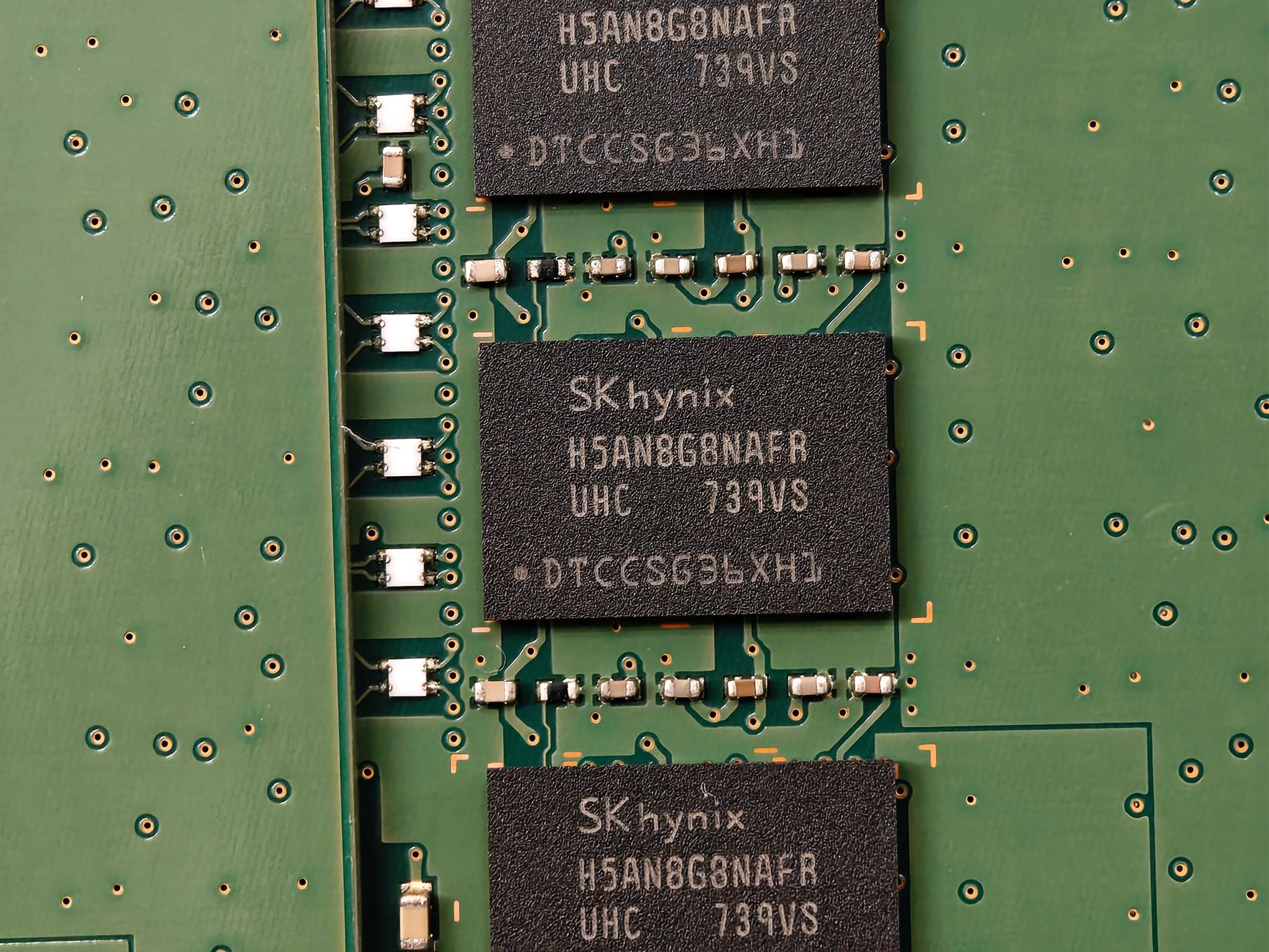
Source: ETTelecom (July 9, 2026) – South Korean memory chip giant SK hynix, having survived near-collapse in the early 2010s, is now a dominant force in the AI-driven semiconductor market. With a market valuation exceeding $1 trillion, the company is preparing for a major U.S. stock market debut on Nasdaq. This meteoric rise is fundamentally powered by its leadership in producing High Bandwidth Memory (HBM) chips, the critical component in AI accelerators from NVIDIA, AMD, and other hyperscalers.
For the global telecommunications sector, SK hynix’s trajectory is not just a financial story; it is a strategic roadmap for the physical and economic demands of the AI era. The company’s success underscores the non-negotiable requirement for massive, high-speed memory to power next-generation networks, from AI-driven network optimization and Open RAN vRAN deployments to edge computing and hyperscale data center backbones. The supply, cost, and technological evolution of these components directly dictate the pace and capability of telecom infrastructure upgrades worldwide.
The Technical Catalyst: High Bandwidth Memory (HBM) as AI’s Engine

SK hynix’s resurgence is inextricably linked to its first-mover advantage and manufacturing dominance in High Bandwidth Memory (HBM). Unlike traditional DRAM, HBM stacks multiple memory dies vertically using through-silicon vias (TSVs), creating a 3D structure with a massively wide data bus. This architecture delivers exponentially higher bandwidth while consuming significantly less power per bit transferred—a critical metric for power-hungry AI training clusters and inference engines.
The company is at the forefront of HBM generational evolution. It was the first to mass-produce HBM3 and is now ramping production of the next-generation HBM3E and developing HBM4. These chips are not standalone products; they are integrated into advanced 2.5D and 3D packaging solutions like CoWoS (Chip-on-Wafer-on-Substrate) alongside NVIDIA’s GPUs and Google’s TPUs. This tight integration creates a system-in-package where memory bandwidth is the primary bottleneck for AI computational throughput.
For network engineers and CTOs, the implications are clear: the performance of AI/ML applications running on telecom networks—be it for predictive maintenance, dynamic spectrum sharing, customer service bots, or security threat detection—is directly constrained by the memory bandwidth available in the underlying server infrastructure. SK hynix’s capacity and technology roadmap, therefore, become a key variable in planning data center and edge node deployments.
Industry Impact: Redefining Telecom Capex and Vendor Ecosystems
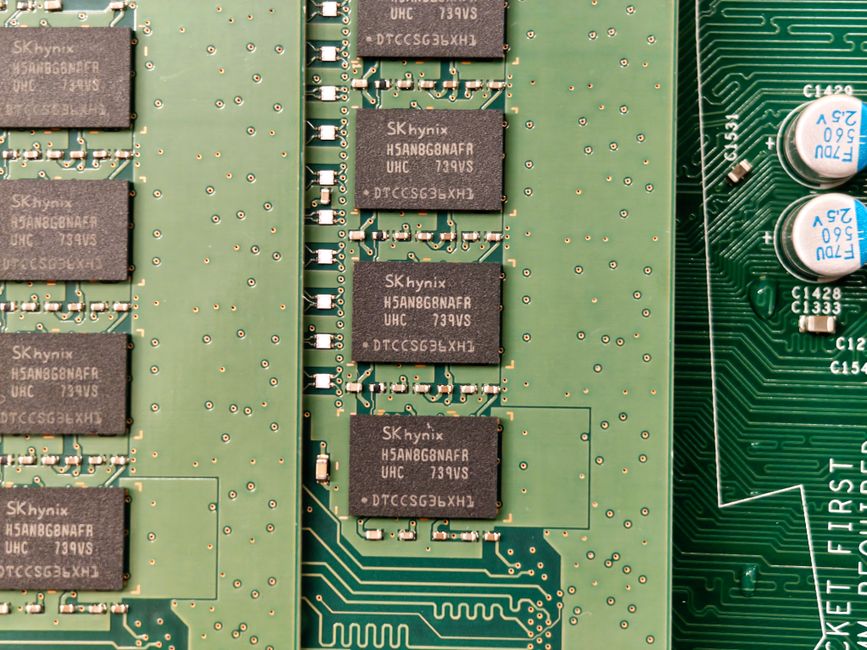
The AI semiconductor boom, led by players like SK hynix, is causing a fundamental shift in telecom capital expenditure (Capex) and vendor strategy. We identify three primary areas of impact:
- Data Center & Network Core Capex Reallocation: A significant portion of operator and hyperscaler partner investment is shifting from traditional network switching/routing hardware to AI-accelerated computing infrastructure. Building or leasing data centers capable of housing NVIDIA DGX or similar AI clusters requires procuring systems built around HBM-rich components. This shifts procurement influence towards semiconductor specialists and OEMs with deep supply chain ties to memory makers.
- Supply Chain Vulnerability and Strategic Partnerships: With SK hynix and Samsung dominating the HBM market (holding an estimated 80-90% combined share), the telecom and cloud infrastructure sector faces concentrated supply risk. Leading operators and hyperscalers are moving beyond simple procurement to forge strategic partnerships and even direct investments in memory technology. Long-term supply agreements and co-development projects are becoming essential to secure capacity for network transformation initiatives.
- Accelerating the Shift to Cloud-Native and AI-Native Networks: The availability of powerful, memory-intensive AI chips enables more complex virtualized network functions (VNFs) and cloud-native network functions (CNFs). This accelerates the adoption of AI-driven RAN Intelligent Controllers (RICs), fully automated network operations centers, and real-time traffic engineering. The cost-performance curve of HBM directly influences the economic viability of these software-defined transformations.
Regional and Strategic Implications: A New Geopolitical Layer for Infrastructure
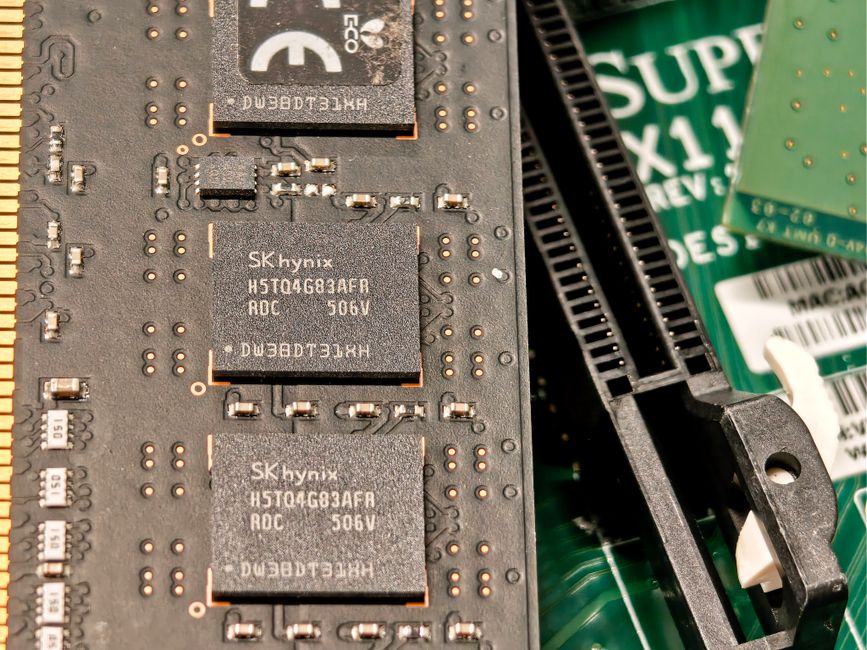
The story of SK hynix adds a critical, hardware-centric dimension to the geopolitical landscape of telecommunications, particularly affecting regions like Africa and the Middle East (MENA) that are heavily reliant on imported technology.
- Deepening the Digital Divide Risk: As advanced AI capabilities become embedded in core and edge networks, regions with delayed or constrained access to the latest HBM-powered hardware may fall further behind in network intelligence and service quality. The cost and allocation of these high-demand components could disadvantage smaller operators and emerging markets.
- South Korea’s Strategic Leverage: South Korea, through SK hynix and Samsung, now holds a chokehold on a resource as critical to the digital economy as fossil fuels were to the industrial age. This grants Seoul and its corporate champions significant influence in global tech diplomacy, affecting everything from export controls to technology transfer agreements in markets like India, Southeast Asia, and the Middle East, where nations are aggressively building sovereign AI and data center capacity.
- Localization and Diversification Pressures: The concentration of advanced memory production in South Korea (and Taiwan for leading-edge logic) will intensify calls for geographic diversification of semiconductor supply chains. Telecom regulators and state-backed operators in regions like MENA and Africa may begin to factor “technology sovereignty” and semiconductor sourcing into infrastructure tenders and national broadband plans, potentially favoring vendors with more diversified or politically aligned supply chains.
Forward-Looking Analysis: The Telecom Sector’s Hardware-Led Future
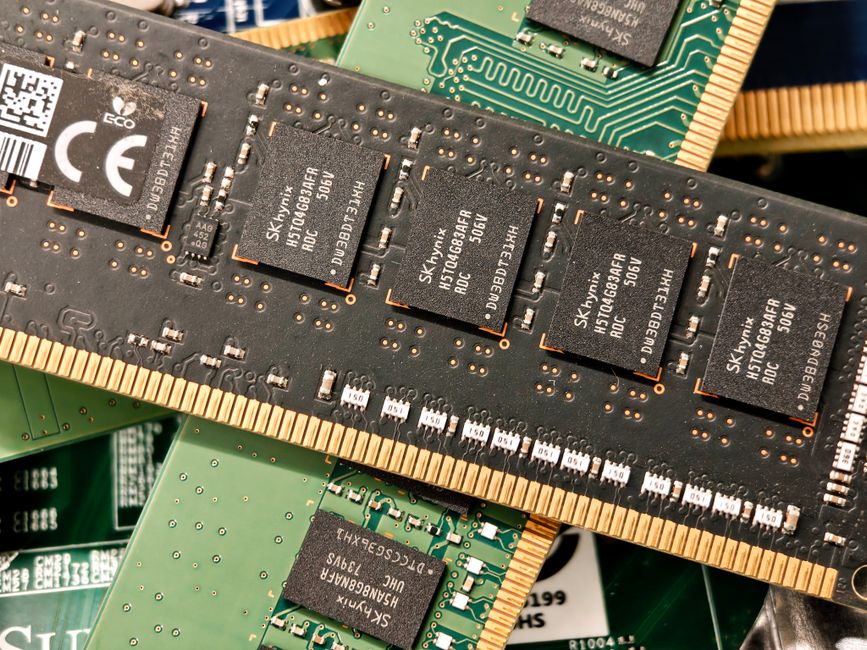
The narrative that software defines modern networks remains true, but it is increasingly dependent on hardware-defined performance ceilings. SK hynix’s $1 trillion valuation is a market signal that the infrastructure of intelligence—the silicon that powers AI—is the new foundational layer of the digital economy.
Going forward, telecom operators must evolve their strategic planning to incorporate semiconductor roadmaps. Network architecture decisions for 6G, metropolitan edge nodes, and core data centers will be co-dependent on the availability and specifications of HBM and next-generation memory technologies. Partnerships with cloud providers (who are major direct buyers of HBM) will be crucial for accessing AI capabilities without bearing the full capital burden of the underlying silicon.
Furthermore, the industry should anticipate a wave of innovation in memory-centric network architectures, potentially reducing data movement between CPU/GPU and memory—a concept that could eventually influence switch and router design. For investors and infrastructure players, the lesson is clear: the value chain in telecom is expanding upstream into the semiconductor fabrication plant. Understanding the dynamics of the memory market, as exemplified by SK hynix’s remarkable turnaround, is no longer optional for those building the networks of the future.
About the Author