Supply Chain Diversification: Mouser, RayQ, Millenium Expand India Footprint, Impacting Telecom Equipment Availability
📰Original Source: ETTelecomSource: ETTelecom, reporting on July 28, 2026. Major global electronics distributors, including Mouser Electronics, RayQ (a TTI subsidiary), and Millenium Semiconductors, are accelerating their expansion plans in India, driven by geopolitical supply chain pressures and robust demand from the country’s burgeoning electronics manufacturing…
Source: ETTelecom, reporting on July 28, 2026.
Major global electronics distributors, including Mouser Electronics, RayQ (a TTI subsidiary), and Millenium Semiconductors, are accelerating their expansion plans in India, driven by geopolitical supply chain pressures and robust demand from the country’s burgeoning electronics manufacturing sector. According to industry sources cited by ETTelecom, tensions in the Gulf region, a critical global logistics nexus, are a primary catalyst for this strategic diversification. For telecom network operators and equipment manufacturers, this move signals a crucial shift towards a more resilient and localized supply chain for critical components, from RF chips and power management ICs to optical transceivers and baseband processors essential for 5G, fiber, and data center buildouts.
Strategic Investments and Infrastructure Build-Out

The expansion is not merely sales-focused but involves significant capital expenditure in logistics and warehousing infrastructure to reduce lead times and improve inventory availability. Millenium Semiconductors, a key distributor for brands like Qualcomm, NXP, and Infineon, is planning to open a new 40,000-square-foot warehouse in Bengaluru by the end of 2026. This facility is specifically designed to serve the high-tech corridor of South India, a hub for telecom R&D and manufacturing.
RayQ, the Indian arm of global distributor TTI (a Berkshire Hathaway company), is executing a “multi-year investment plan” to deepen its presence. This includes scaling its sales engineering teams specializing in passive, interconnect, and electromechanical components—critical for antenna systems, base station power supplies, and network cabinet builds. Meanwhile, Mouser Electronics, known for its vast catalog of semiconductors and development tools, is bolstering its local support and inventory to cater to the design and prototyping phase of telecom equipment, which often dictates future high-volume production contracts.
The strategic intent is clear: move from a model reliant on air-shipping components from centralized global hubs (often via the Gulf) to establishing in-country stocking locations. This reduces the risk of single-point-of-failure logistics and cuts delivery times from weeks to days for Indian network equipment manufacturers (NEMs) and telecom service providers undertaking rapid network deployments.
Direct Impact on Telecom Operators and Network Equipment Manufacturers
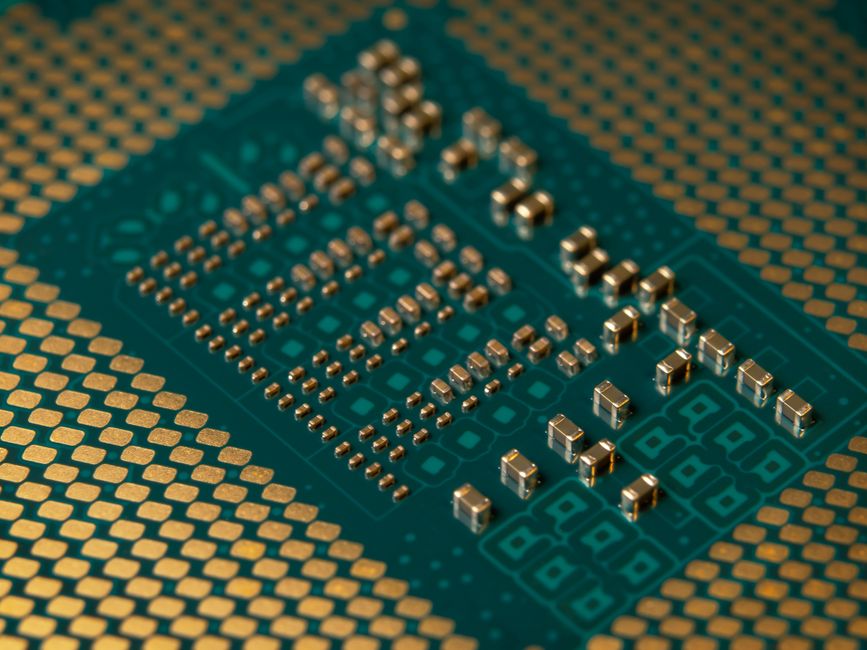
For telecom operators (Jio, Airtel, Vodafone Idea) and global NEMs with Indian manufacturing units (Nokia, Ericsson, Samsung, Cisco), this expansion offers tangible benefits and necessitates strategic realignment.
1. Reduced Time-to-Market for Network Rollouts: Local availability of components mitigates one of the biggest bottlenecks in 5G and fiber-to-the-home (FTTH) deployments: equipment lead times. The ability to source components locally allows NEMs to be more responsive to operator demands, especially for urgent network capacity upgrades or greenfield projects. This is critical for India’s aggressive 5G expansion targets and the BharatNet rural broadband initiative.
2. Enhanced Supply Chain Resilience: The telecom industry learned hard lessons from the 2021-2023 global chip shortage, which delayed 5G radio shipments worldwide. By fostering a robust local distribution ecosystem, the Indian telecom sector builds a buffer against future global disruptions, whether caused by geopolitics, pandemics, or logistical chokepoints like the Suez Canal or Strait of Hormuz.
3. Cost Dynamics and Local Sourcing Mandates: While initial costs for locally stocked components may be higher than direct bulk shipments from OEMs, the total cost of ownership (TCO) improves when factoring in reduced inventory holding costs, lower risk of project delays, and compliance with India’s Production Linked Incentive (PLI) schemes that reward localized manufacturing and sourcing. For NEMs, partnering with these distributors can simplify procurement for “Make in India” production lines.
4. Support for Indigenous R&D and Startups: The presence of technical sales engineers from distributors like Mouser and RayQ provides vital support to India’s growing base of telecom hardware startups working on Open RAN, IoT modules, and network testing equipment. Easy access to development kits and sample components accelerates innovation cycles.
Broader Implications for the Asia-Pacific Telecom Supply Chain

India’s push to become a global electronics manufacturing hub, with a specific focus on telecom and networking gear, is reshaping the Asia-Pacific supply chain landscape. Traditionally dominated by China, Taiwan, and South Korea, the component distribution and logistics map is now gaining a significant third node in India.
This has two major regional implications:
Diversification Away from China-Plus-One: While “China Plus One” strategies often favored Vietnam or Thailand, India’s scale, domestic market, and government incentives are making it a formidable alternative for high-value telecom equipment manufacturing. The expansion of component distributors is a leading indicator of this shift, as they follow their manufacturing customers. For telecom operators across Africa and the Middle East (MENA), which often source cost-effective equipment from Asia, India’s rise as a manufacturing base could provide new procurement options with potentially shorter logistics tails compared to East Asia.
Logistics Re-routing and Data Center Growth: Reduced reliance on Gulf hubs for air freight may influence cargo airline routes and increase direct freight connections between India and other major manufacturing/consumption regions. Furthermore, the growth in component warehousing within India supports the parallel explosion of data center construction in cities like Mumbai, Chennai, and Hyderabad. These facilities require massive amounts of power supplies, cabling, connectors, and cooling components—all part of the distributors’ core portfolios.
Forward Look: A More Resilient, Yet Complex, Telecom Ecosystem
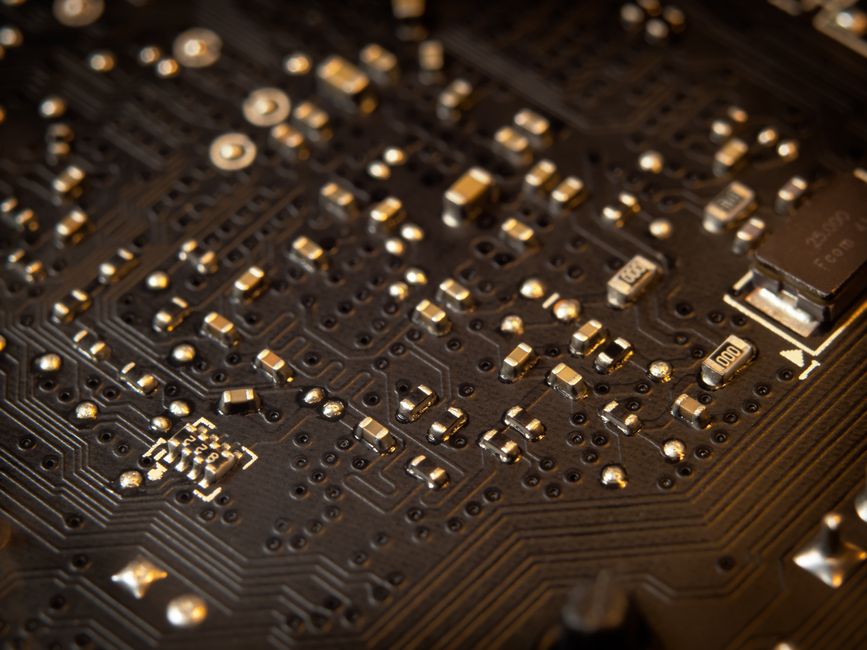
The strategic investments by Mouser, RayQ, and Millenium Semiconductors are a microcosm of a larger, irreversible trend in global telecom: the prioritization of supply chain resilience over pure cost optimization. For Chief Technology Officers (CTOs) and Chief Procurement Officers (CPOs) at telecom operators, this means supplier diversification strategies must now extend down to the component distributor level.
We anticipate increased partnerships between large operators and distributors to create vendor-managed inventory (VMI) programs for critical spares, ensuring faster repair times for network outages. The role of distributors will evolve from simple box-movers to strategic supply chain partners offering vendor consolidation, component lifecycle management, and obsolescence forecasting—critical for managing the long lifecycle of telecom infrastructure deployed in the field for 10-15 years.
The success of this localization drive will hinge on India’s continued policy stability, infrastructure development, and the ability to develop deeper technical talent pools. If executed effectively, India will not only be a massive consumer of telecom technology but an increasingly influential and self-reliant node in its global production network, altering equipment sourcing strategies for operators worldwide.