Samsung & SK Hynix AI Windfall Sparks Investor Pressure, Telecom Sector Braces for Supply Chain Ripple Effects
📰Original Source: ETTelecomSource: ETTelecom, reporting on August 6, 2026. Original article. Shareholders of Samsung Electronics and SK Hynix are demanding significantly higher dividend payouts and share buybacks as the Korean memory giants sit on unprecedented cash reserves fueled by record AI-driven profits. This investor pressure,…
Source: ETTelecom, reporting on August 6, 2026. Original article.
Shareholders of Samsung Electronics and SK Hynix are demanding significantly higher dividend payouts and share buybacks as the Korean memory giants sit on unprecedented cash reserves fueled by record AI-driven profits. This investor pressure, detailed in a report by ETTelecom, creates a critical inflection point for capital allocation in the global semiconductor industry, with direct implications for the telecom sector’s access to high-bandwidth memory (HBM), advanced NAND, and the supply chain for next-generation network infrastructure, including AI-enabled RAN and data center switching.
The AI-Driven Cash Mountain: Technical and Financial Breakdown

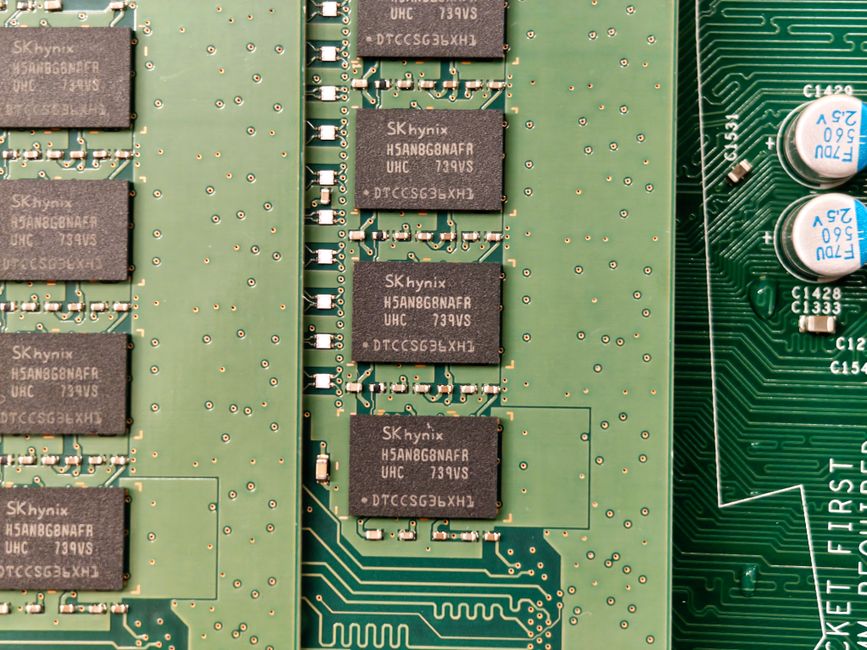
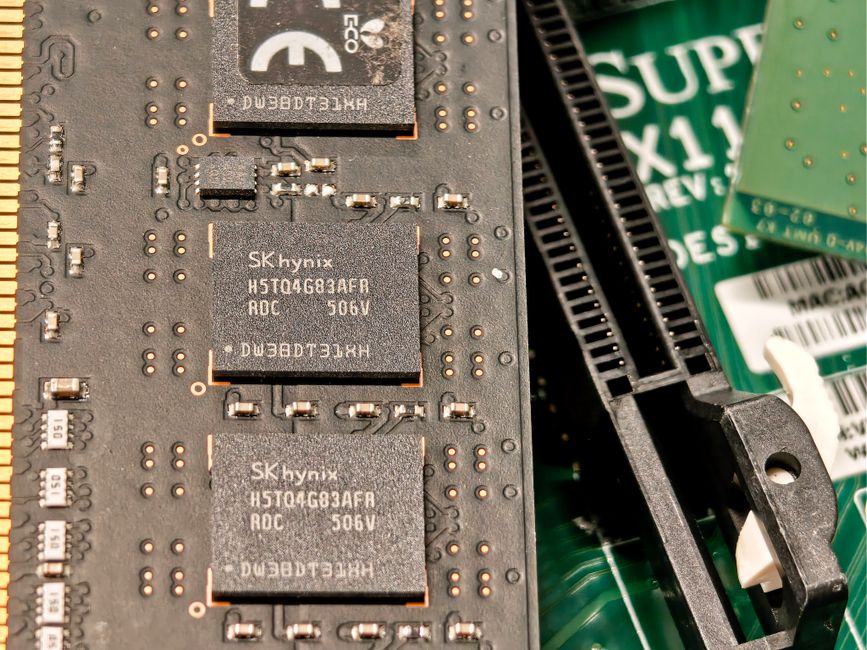
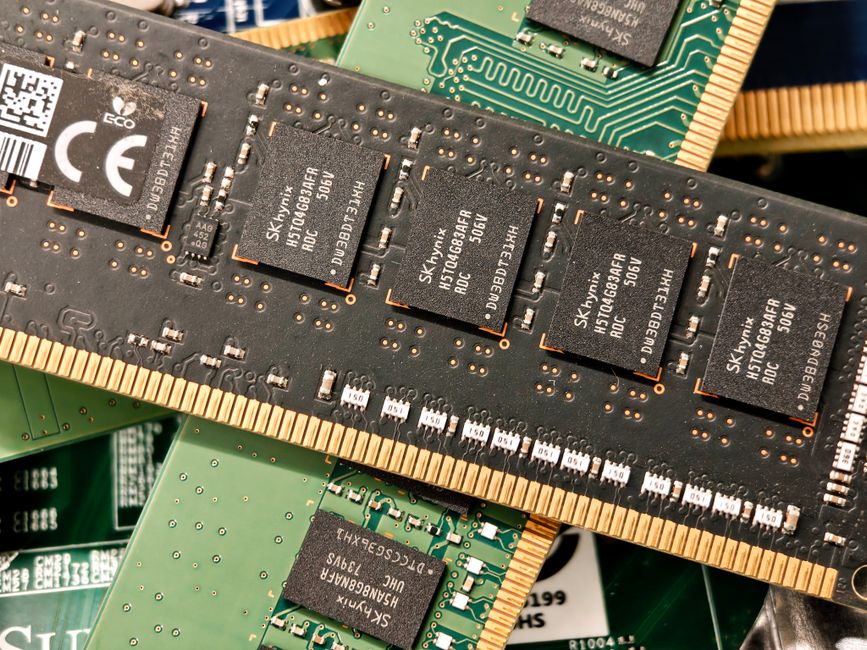
The core of the shareholder dispute lies in the staggering financial performance driven by the artificial intelligence boom. Both Samsung and SK Hynix have reported consecutive quarters of record revenue and operating profit, primarily from the sale of High-Bandwidth Memory (HBM) and advanced data center SSDs. HBM, a stacked memory technology with ultra-wide data buses, is the critical bottleneck and performance enabler for AI training clusters and high-performance computing. SK Hynix, as the current market leader in HBM3 and HBM3E supply for NVIDIA’s GPUs, has seen its cash and short-term investments swell. Samsung, while playing catch-up in HBM yield, dominates in other areas like mobile DRAM and NAND flash, which are also experiencing elevated demand from AI-capable smartphones and edge computing infrastructure.
According to industry analysts cited, Samsung is holding approximately 120 trillion Korean won (approx. $87 billion USD) in cash and equivalents, while SK Hynix’s reserves are estimated at over 30 trillion won ($22 billion USD). These figures represent war chests built during a super-cycle. Investors, including major foreign asset managers, argue that the traditional Korean corporate practice of hoarding cash for “strategic flexibility” is outdated in the face of such windfalls. They are pushing for dividend payout ratios to rise from the current 10-20% range toward 30-50%, alongside massive share repurchase programs. The telecom industry must watch this capital debate closely, as its outcome directly influences how much cash is reinvested into the fab capacity and R&D that produces the chips powering 5G-Advanced cores, optical transport networks, and AI-optimized servers.
Impact on Telecom Infrastructure and Equipment Supply Chains
For telecom network operators (MNOs) and infrastructure vendors, the semiconductor supply chain is a strategic concern. The pressure for higher shareholder returns presents a dual-edged sword.
Risk of Constrained Capex: If a significant portion of cash flow is diverted to dividends and buybacks, it could potentially slow the rate of capital expenditure (capex) on new fabrication plants and advanced packaging facilities. The telecom industry’s roadmap to 6G, terabit optical networks, and pervasive edge AI relies on a steady, predictable increase in the supply of leading-edge semiconductors. Any capex hesitation from memory leaders could tighten the market for specialized components like GDDR6 for radio units, high-density NAND for caching in content delivery networks (CDNs), and the HBM used in AI accelerators for network traffic management and security.
Focus on High-Margin, Telecom-Relevant Products: Conversely, the need to generate ever-higher profits to satisfy shareholder return targets will push Samsung and SK Hynix to prioritize their most lucrative product lines. This includes HBM, but also high-performance SSDs for data centers and low-power, high-density memory for mobile devices. For telecom, this could accelerate innovation in memory solutions for Open RAN distributed units (DUs) and centralized units (CUs), which require high bandwidth and low latency. It may also benefit the development of Compute Express Link (CXL) memory pooling technologies for telecom cloud infrastructure, improving resource utilization in core network data centers.
The situation also highlights the vulnerability of the telecom sector to concentration in the memory market. With only three major players globally (Samsung, SK Hynix, and Micron), financial decisions in Seoul have outsized impacts on global availability and pricing. Network operators planning large-scale data center expansions or national 5G-SA core deployments must factor potential memory price volatility and allocation priorities into their procurement strategies and vendor negotiations.
Strategic Implications for Africa and MENA Telecom Markets
The investor pressure on Korean chipmakers carries specific strategic weight for emerging telecom markets in Africa and the Middle East and North Africa (MENA) region.
Cost Sensitivity and Device Accessibility: African MNOs are engaged in massive network modernization and 4G/5G rollout projects, often with tight budget constraints and a focus on affordable device penetration. Memory chips constitute a major cost component in both network equipment and end-user handsets. If the drive for higher margins leads to firm pricing or a supply focus on premium products (like HBM), it could trickle down to higher costs for mid-range smartphones and base station equipment, potentially slowing digital inclusion goals. Operators like MTN, Safaricom, and Vodacom must engage with device suppliers and equipment vendors (Ericsson, Huawei, Nokia) to understand the second-order effects of memory market dynamics on their total cost of ownership.
Data Center and AI Readiness: Conversely, MENA nations, particularly the Gulf Cooperation Council (GCC) countries, are aggressively investing in becoming AI and data center hubs. Projects like Saudi Arabia’s Vision 2030 and the UAE’s national AI strategy require vast amounts of high-performance memory. The capital allocation strategies of Samsung and SK Hynix will influence the supply and cost of the very building blocks for these sovereign AI clouds and smart city initiatives. Telecom operators in these regions, such as stc, e&, and Ooredoo, which are expanding into cloud and AI services, have a direct stake in a stable, innovative memory supply chain. They may need to consider deeper strategic partnerships or long-term supply agreements to secure necessary components for their infrastructure.
Local Assembly and Manufacturing: Some African governments are pushing for local device assembly and manufacturing. The financial health and investment priorities of key component suppliers like Samsung (which also manufactures phones) are crucial for the viability of such industrial policies. Pressure to boost short-term returns might make global firms more cautious about investing in local production facilities, which typically have longer payback periods.
Conclusion: Navigating a New Semiconductor Financial Paradigm
The shareholder revolt at Samsung and SK Hynix is not an isolated financial event; it is a signal of a shifting paradigm in the capital-intensive semiconductor industry. The AI boom has created winners with extraordinary cash generation, forcing a reevaluation of how that cash is deployed. For the global telecom industry, this introduces a new variable into strategic planning.
Network operators and infrastructure providers must elevate semiconductor supply chain analysis to a C-suite level concern. Engaging in closer dialogue with chipmakers, diversifying supplier bases where possible, and investing in software-defined network architectures that are less hardware-specific are prudent risk mitigation strategies. Furthermore, telecom players with balance sheet strength might explore strategic investments or partnerships in the semiconductor ecosystem to secure influence and access, much like the hyperscalers have done.
Ultimately, the demand for AI-driven memory is a direct function of the data explosion that telecom networks enable. The sector’s growth is symbiotic with that of the chipmakers. How Samsung and SK Hynix resolve their capital allocation dilemma—balancing shareholder returns with the massive capex required for future nodes like HBM4 and 300-layer+ NAND—will ripple through every layer of the telecom stack, from the handset to the core cloud. Telecom leaders must plan for both scenarios: a potential tightening of supply for cutting-edge components and an accelerated roadmap for the memory technologies that will define the next decade of connected intelligence.