
IDC: Chinese Smartphone Shipments Plummet in India Q2 2026, Chip Shortage Hits Affordability and Market Strategy
IDC Data Reveals Double-Digit Declines for Chinese OEMs, Broader Market ContractionPhoto by Kaushal Moradiya According to data from the International Data Corporation (IDC) cited by ETTelecom, the Indian smartphone market contracted by 11.1% year-over-year (YoY) in the second quarter of 2026, with shipments falling to…

IDC Data Reveals Double-Digit Declines for Chinese OEMs, Broader Market Contraction

According to data from the International Data Corporation (IDC) cited by ETTelecom, the Indian smartphone market contracted by 11.1% year-over-year (YoY) in the second quarter of 2026, with shipments falling to 32.8 million units. The report, published August 11, 2026, highlights a pronounced downturn for Chinese original equipment manufacturers (OEMs), whose collective shipments declined by 14.2% YoY. Key players like Vivo saw a 14% drop, while Xiaomi, Oppo, iQOO, and Poco all registered double-digit declines. In contrast, Samsung managed to eke out a slight 0.8% growth, consolidating its leadership position. The primary driver cited is a persistent global memory chip shortage, which has increased component costs and forced OEMs to raise prices, dampening consumer demand in the highly price-sensitive Indian market. This dynamic is reshaping procurement strategies, go-to-market plans, and the competitive landscape for mobile network operators (MNOs) whose 4G/5G service adoption is tightly coupled with affordable device availability.
Component Shortages and Pricing Pressure Reshape the Handset Ecosystem

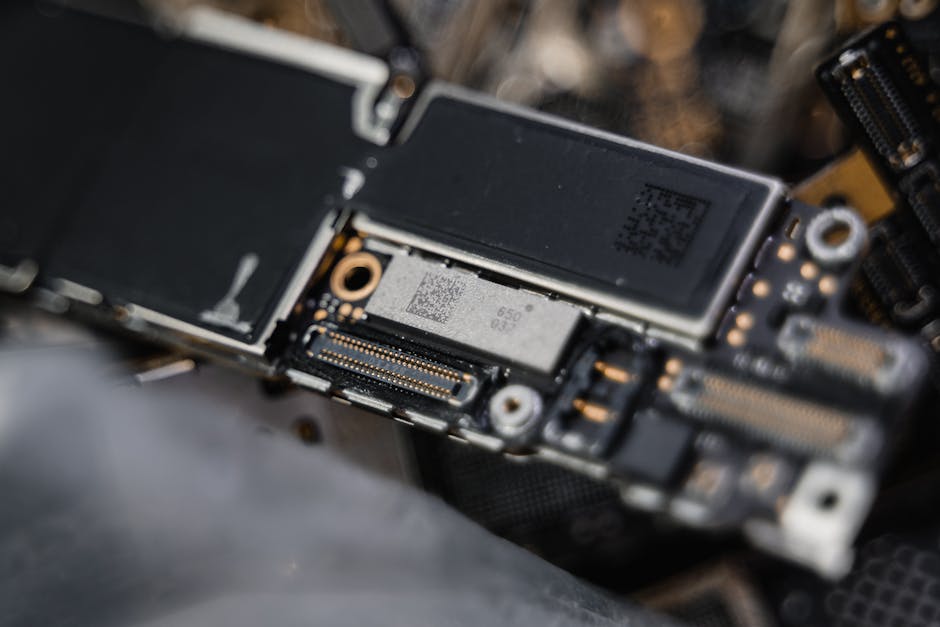
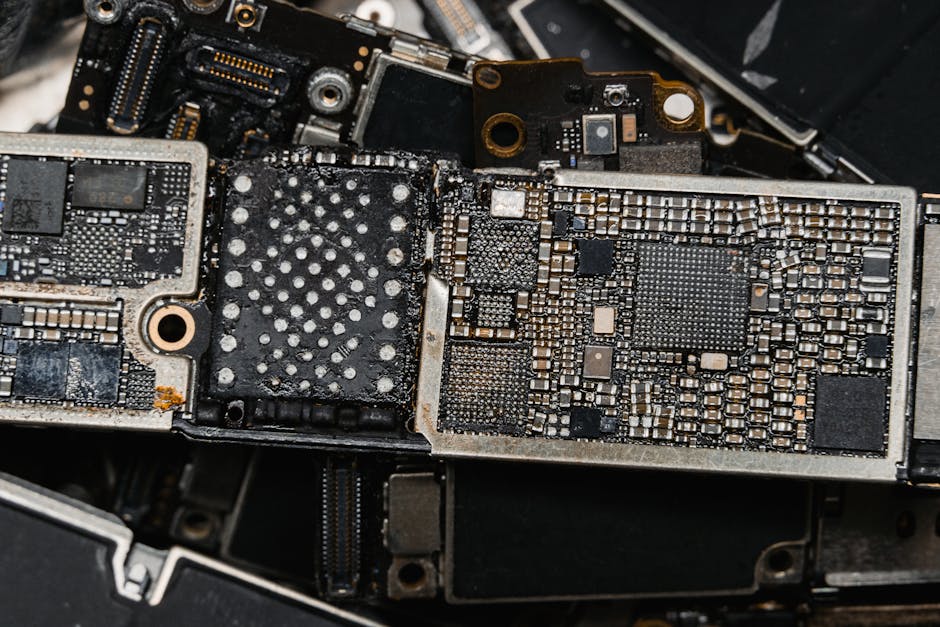
The global semiconductor supply chain, particularly for memory (DRAM, NAND), remains under strain, with lead times extending and spot prices rising through 2026. This shortage is not uniform; it disproportionately affects mid-range and budget smartphones, which constitute the bulk of the Indian market. Chinese OEMs, which have historically dominated this segment with aggressive pricing, are now caught in a vise. To maintain margins, they are compelled to pass on cost increases to consumers, eroding their core value proposition. IDC’s data indicates that the average selling price (ASP) for smartphones in India rose by approximately 8% YoY in Q2 2026, a significant jump for a market where sub-$200 devices drive volume.
This has a cascading effect on the telecom infrastructure. For MNOs like Reliance Jio, Bharti Airtel, and Vodafone Idea, a slowdown in affordable 4G handset sales directly impacts subscriber additions and the migration of users from 2G/3G to 4G networks. Furthermore, the adoption of 5G services, which is a key strategic priority for Indian operators who have invested heavily in spectrum and network rollout, is hampered by the scarcity and high cost of 5G-enabled devices in the sub-$300 segment. Operators’ device subsidy and financing programs, crucial tools for driving technology upgrades, face increased financial pressure as handset costs rise. The chip shortage is thus not merely a handset OEM problem; it is a systemic network modernization and revenue challenge for the entire Indian telecom sector.
Strategic Implications for Operators and the Broader Telecom Value Chain
For Indian mobile network operators, the shifting device landscape necessitates a strategic pivot. First, operator-led device portfolios and exclusive launches may gain renewed importance as a lever to control supply and guarantee availability of key price-point devices. Partnerships with Samsung, which has shown resilience, and with domestic brands attempting a comeback, could intensify. Second, operators will likely double down on promoting refurbished and certified pre-owned devices as a viable, lower-cost avenue for subscribers to access 4G and 5G networks. This creates a parallel ecosystem involving logistics, quality certification, and reverse supply chains.
Third, the affordability crisis underscores the critical importance of India’s nascent semiconductor fabrication and assembly plans. While the government’s Production Linked Incentive (PLI) scheme for telecom and networking products has spurred some assembly, the core chip shortage highlights the vulnerability of depending on global foundries. Operators and OEMs may begin to advocate more strongly for domestic chip packaging, testing, and design capabilities as a matter of long-term supply chain security. Finally, this period of constraint could accelerate the adoption of network-based solutions that reduce dependency on device capabilities, such as cloud gaming, network-as-a-service (NaaS) features, and more efficient video codecs that conserve data and processing power on cheaper handsets.
Global Context: A Warning for Emerging Telecom Markets
The Indian case study offers a stark warning for other high-growth, price-sensitive telecom markets in Africa, Southeast Asia, and parts of the Middle East. These regions similarly rely on a flood of affordable Chinese smartphones to drive mobile broadband penetration. A prolonged component shortage that elevates device ASPs could stall digital inclusion goals and delay the ROI on extensive 4G and 5G network investments made by operators across these regions.
Markets in Africa, where transsaharan and terrestrial fiber backhaul investments are finally enabling better mobile services, face a particular risk. If the handset becomes the bottleneck to subscriber growth, the business case for further network expansion in secondary cities and rural areas weakens. This dynamic could force a reevaluation of public-private partnership models, with governments potentially needing to introduce targeted device subsidies or tax breaks to keep the digital adoption curve on track. Furthermore, it may open a window for alternative device strategies, such as partnerships with satellite phone providers for ultra-remote coverage or a push for simplified, single-purpose IoT devices that use less sophisticated chips, diverting some semiconductor supply away from the smartphone sector.
Forward Look: Inventory Rebalancing and the Long Road to Chip Resilience

The immediate outlook for the Indian smartphone market in H2 2026 remains cautious. IDC and other analysts anticipate continued YoY declines as OEMs and channel partners work through existing inventory of higher-priced devices. The festive season sales in Q3 will be a critical test of consumer sentiment and the effectiveness of deep discounts financed by OEMs and operators. The strategic responses observed now—operator-device bundling, refurbished market growth, and supply chain diversification—will define the market structure for the next three to five years.
For the global telecom industry, the lesson from India’s Q2 2026 shipment data is clear: the handset supply chain is a critical, and vulnerable, component of network economics. As 5G-Advanced and 6G specifications evolve, ensuring that device innovation does not outpace affordable manufacturing capability will be a key challenge. Investments in alternative chip architectures (RISC-V), regional manufacturing clusters, and more resilient inventory management systems will move from the back office to the boardroom as core strategic imperatives for sustaining growth in the world’s largest and most competitive telecom markets.