Super Micro’s AI Server Forecast Signals Data Center Infrastructure Surge for Telecom
📰Original Source: ETTelecomSuper Micro’s AI Server Forecast Signals Data Center Infrastructure Surge for Telecom Source: ETTelecom – Super Micro Computer Inc. (NASDAQ: SMCI) projects its fiscal 2027 revenue will surpass Wall Street forecasts, citing a massive wave of investment in AI-optimized data center infrastructure. The…
Super Micro’s AI Server Forecast Signals Data Center Infrastructure Surge for Telecom
Source: ETTelecom – Super Micro Computer Inc. (NASDAQ: SMCI) projects its fiscal 2027 revenue will surpass Wall Street forecasts, citing a massive wave of investment in AI-optimized data center infrastructure. The server and storage systems manufacturer expects to generate between $27.5 billion and $30.5 billion in revenue for its upcoming fiscal year, significantly above the $26.43 billion analyst consensus. This bullish outlook, reported on August 12, 2026, underscores a fundamental shift in network architecture, where the explosive demand for generative AI and high-performance computing (HPC) workloads is driving unprecedented capital expenditure in power-dense, liquid-cooled data centers. For telecom operators, infrastructure providers, and hyperscale cloud builders, Super Micro’s forecast is a leading indicator of the immense bandwidth, fiber, and power infrastructure requirements that will define the next phase of network evolution.
Technical Deep Dive: The AI-Optimized Server Architecture Driving Demand
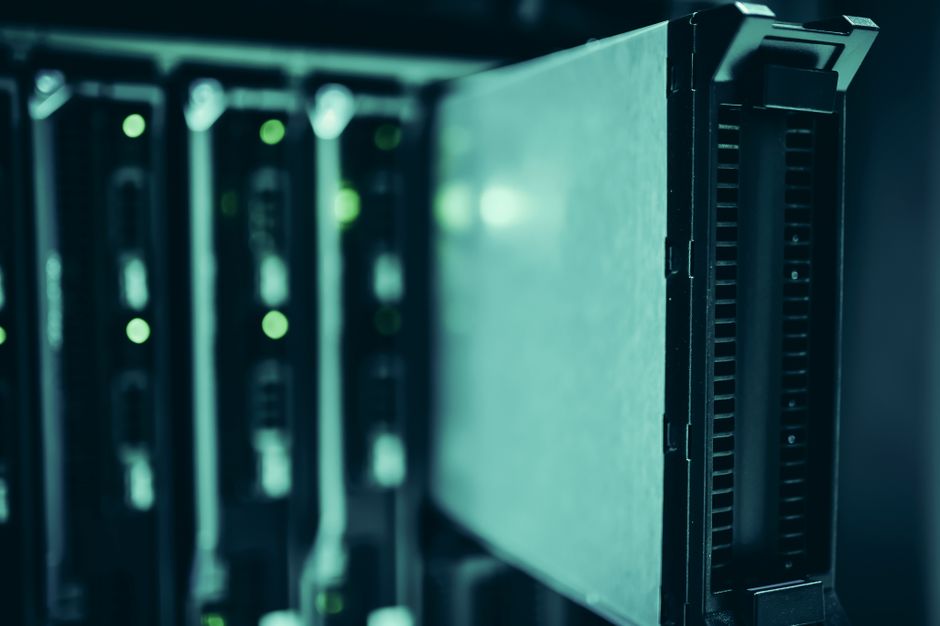
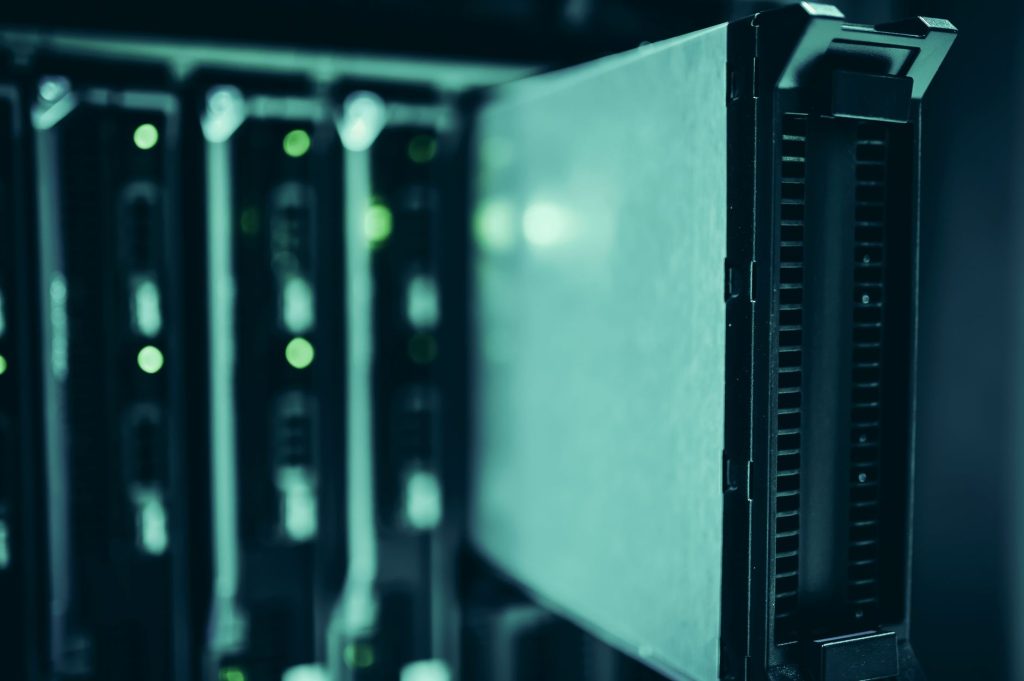
Super Micro’s revenue projection is not based on generic server demand but specifically on its “Building Block Solutions” for AI and accelerated computing. The company’s modular, high-density server designs are engineered for the latest NVIDIA, AMD, and Intel GPUs and AI accelerators. Key technical drivers include:
- Liquid-Cooled Rack Scale Solutions: AI training clusters now routinely exceed 50 kW per rack, pushing air cooling to its physical limits. Super Micro’s direct liquid cooling (DLC) and rack-level immersion cooling systems are becoming a de facto standard for new AI data center builds, influencing entire facility designs.
- High-Bandwidth Interconnect Fabric: AI servers require massive internal and external I/O bandwidth. Systems are now built around NVIDIA’s NVLink, Ultra Ethernet Consortium (UEC) standards, and PCIe Gen 6 interfaces, creating demand for ultra-low-latency, high-throughput network switches and optical interconnects within the data center.
- Power Delivery at Scale: A single AI-optimized server can consume 10-15 kW. Deploying thousands of these units necessitates 48V direct-current (DC) power distribution, advanced rack power distribution units (PDUs), and facility-level substation upgrades. This has direct implications for telecom operators building edge data centers or colocation facilities.
- Storage for AI Workloads: AI training and inference require rapid access to massive datasets. This is fueling demand for all-flash NVMe storage arrays and high-performance parallel file systems, which in turn drive the need for faster storage network protocols like NVMe over Fabrics (NVMe-oF).
The company’s forecast implies a tripling of its revenue from just a few years prior, a trajectory directly tied to the scaling of AI model parameters and the global race to deploy sovereign and private AI clouds.
Industry Impact: Redefining Data Center Strategy for Operators and Hyperscalers
Super Micro’s projected growth is a proxy for the broader infrastructure investment cycle hitting the telecom and cloud sector. The implications for key players are profound:
For Hyperscale Cloud Providers (AWS, Microsoft Azure, Google Cloud, Oracle Cloud): These are the primary customers for Super Micro and its competitors like Dell and HPE. Their capex is shifting decisively towards AI infrastructure. This means new data center builds are prioritizing regions with abundant, sustainable power (often 100+ MW campuses), robust fiber connectivity, and favorable tax incentives. The architecture of these facilities is evolving from traditional 5-10 MW halls to 30-50 MW AI pods with dedicated liquid cooling loops and high-voltage power feeds.
For Telecom Operators & Network Infrastructure Providers: The AI data center boom creates a dual opportunity and challenge.
Opportunity: Every new AI data center is a bandwidth sinkhole requiring multiple 100G, 400G, and soon 800G uplinks to the wider internet and private networks. This drives demand for dark fiber, wavelength services, and IP transit. Operators with extensive fiber backbones, like AT&T, Lumen, and regional players, are positioned to sell connectivity into these AI hubs. Furthermore, operators building their own AI/ML platforms for network automation, customer service, or new enterprise services become direct customers for this server infrastructure.
Challenge: The power demands of AI data centers are straining regional grids, potentially competing with network central offices and edge sites for power capacity. Operators must future-proof their own facilities with higher power densities and cooling capabilities to host AI workloads at the edge.
For Colocation and Data Center REITs (Digital Realty, Equinix, CyrusOne): The colocation model is adapting rapidly. Traditional retail colo (cages and cabinets) is less suited for massive, homogeneous AI clusters. Instead, providers are offering wholesale “Powered Shell” or “Build-to-Suit” solutions where hyperscalers and large enterprises install their own AI-optimized racks. This shifts the business model and requires significant upfront capital for land, power infrastructure, and water access for cooling.
Regional and Strategic Implications: Global Build-Out and the Africa/MENA Opportunity

The AI infrastructure build-out is global, but with distinct regional dynamics that telecom strategists must monitor.
North America & Europe: These regions are the initial epicenters of investment, with massive projects underway in the US (Ohio, Texas, Iowa, Virginia) and Europe (Ireland, Netherlands, Finland). Regulatory pressures around data sovereignty and the EU’s AI Act are also driving demand for localized AI cloud capacity, benefiting server OEMs and local telecom operators who can provide connected, compliant infrastructure.
Asia-Pacific: Japan, South Korea, Singapore, and India are making aggressive pushes to build sovereign AI capabilities. India’s “IndiaAI” mission and large-scale data center policies directly correlate with demand for the server hardware Super Micro supplies. This presents a major opportunity for Indian telecom operators like Reliance Jio, Bharti Airtel, and Tata Communications to integrate AI infrastructure into their expanding data center and cloud portfolios.
Africa & MENA: This region represents the next frontier. Nations like Saudi Arabia, UAE, Morocco, Kenya, and South Africa are actively promoting data center growth as part of digital economy visions. The AI wave will hit these markets in two phases:
Phase 1: Deployment of inferencing and regional AI models at major interconnection hubs (e.g., DATAMENA in UAE, NAPAfrica in South Africa). This requires high-performance computing clusters, driving initial orders for AI servers.
Phase 2: As subsea cable capacity increases (e.g., 2Africa, Equiano, Raman) and terrestrial fiber networks mature, the region could attract larger-scale training workloads, especially for climate, agricultural, and language-specific AI models. Telecom operators here must plan their central office and edge site modernization with future AI readiness in mind, ensuring adequate power and fiber backhaul.
The strategic implication is clear: building a modern digital economy now requires a foundational layer of AI-ready data center infrastructure. Telecom operators are no longer just connectivity providers; they are becoming integral partners in this compute ecosystem.
Forward-Looking Analysis: Infrastructure Demands Beyond the Server Rack
Super Micro’s forecast is the tip of the spear. The downstream effects on the entire telecom and network infrastructure sector will be substantial over the next 3-5 years:
- Optical Network Equipment Boom: The insatiable bandwidth demand between and within AI data centers will fuel a multi-year upgrade cycle to 800G and 1.6T coherent optics. Vendors like Ciena, Infinera, Nokia, and Huawei will see strong demand for high-capacity DWDM systems and open line-side optics.
- Power & Cooling Innovation: The industry will accelerate adoption of alternative cooling (immersion, direct-to-chip), on-site power generation (fuel cells, natural gas peakers), and advanced energy storage to manage the load and ensure grid stability.
- Edge Computing Recalibration: The definition of “edge” will evolve. While latency-sensitive AI inference will live close to users, the sheer power and cooling needs mean true “AI edge” sites will be larger, more like micro-data centers of 1-5 MW, rather than small cabinets. This changes the site acquisition and build-out calculus for operators.
- Supply Chain & Sustainability Pressures: The scramble for GPUs, high-bandwidth memory (HBM), and power components will continue. Simultaneously, the enormous energy consumption of AI will force operators and hyperscalers to double down on Power Usage Effectiveness (PUE) improvements and procure renewable energy at an unprecedented scale, influencing network strategy in regions with green energy advantages.
In conclusion, Super Micro Computer’s revenue forecast is far more than a financial story; it is a definitive signal of the structural changes underway in global digital infrastructure. For telecom executives, network engineers, and investors, the message is unequivocal: the AI era demands a new class of physical infrastructure. Success will belong to those who can seamlessly integrate high-capacity fiber networks with power-resilient, liquid-cooled, and AI-optimized compute—a convergence that is reshaping the industry from the silicon up.