By TelecomObserver Staff
Source: ETTelecom – Semiconductor giant Infineon Technologies AG and ultracapacitor specialist Skeleton Technologies have signed a strategic collaboration agreement to develop and supply resilient power solutions for Artificial Intelligence (AI) data centers, a move set to have significant ripple effects across the telecom and digital infrastructure landscape. The partnership, announced on September 4, 2026, aims to address the critical power density, efficiency, and reliability challenges posed by next-generation AI workloads, which are increasingly hosted in and distributed through telecom networks and edge computing facilities.
The Technical Challenge: Powering the AI-Driven Surge in Compute Density

The core of this collaboration tackles a fundamental bottleneck in modern digital infrastructure: power delivery. Traditional data centers, including those supporting cloud and telecom networks, operate at power densities typically between 5-15 kW per rack. AI training clusters, featuring arrays of power-hungry GPUs and specialized AI accelerators, are pushing this metric beyond 50 kW per rack, with projections heading towards 100 kW and higher. This exponential increase creates three primary technical hurdles for infrastructure operators:
- Power Distribution Efficiency: Converting high-voltage AC utility power to the low-voltage DC required by silicon involves multiple transformation stages, each incurring losses. At multi-megawatt scale, even a 1% efficiency gain translates to millions in annual operational cost savings and reduced carbon footprint.
- Power Quality and Reliability: AI compute loads are highly dynamic, causing rapid fluctuations (transients) in current draw. This can lead to voltage sags and instability, jeopardizing the performance and lifespan of sensitive equipment. Grid disturbances or microsecond-level outages can crash training jobs worth thousands of dollars in wasted energy.
- Thermal Management: High power density directly correlates with immense heat generation. Inefficient power conversion exacerbates thermal load, increasing cooling costs, which already constitute 30-40% of a data center’s total energy consumption.
Infineon brings to the table its expertise in wide-bandgap semiconductors, specifically Silicon Carbide (SiC) and Gallium Nitride (GaN). These materials enable power electronics that operate at higher frequencies, temperatures, and efficiencies than traditional silicon-based components. Skeleton Technologies contributes its patented “Curved Graphene” ultracapacitor technology. Unlike batteries, ultracapacitors store energy electrostatically, allowing for near-instantaneous charge and discharge cycles, high power density, and millions of charge cycles without degradation.
The joint solution will focus on developing next-generation solid-state transformers (SSTs) and high-power energy storage systems. SSTs, leveraging Infineon’s SiC modules, can replace bulky, less-efficient line-frequency transformers, enabling direct medium-voltage AC to low-voltage DC conversion with higher efficiency and power density. Skeleton’s ultracapacitors will be integrated to provide critical ride-through power during grid micro-interruptions and to buffer the high-power transients from AI compute loads, stabilizing the internal power bus.
Industry Impact: A New Blueprint for Telecom and Hyperscale Infrastructure
This partnership signals a strategic shift in how critical digital infrastructure is designed and powered. The implications extend beyond pure-play AI data centers to the broader telecom ecosystem:
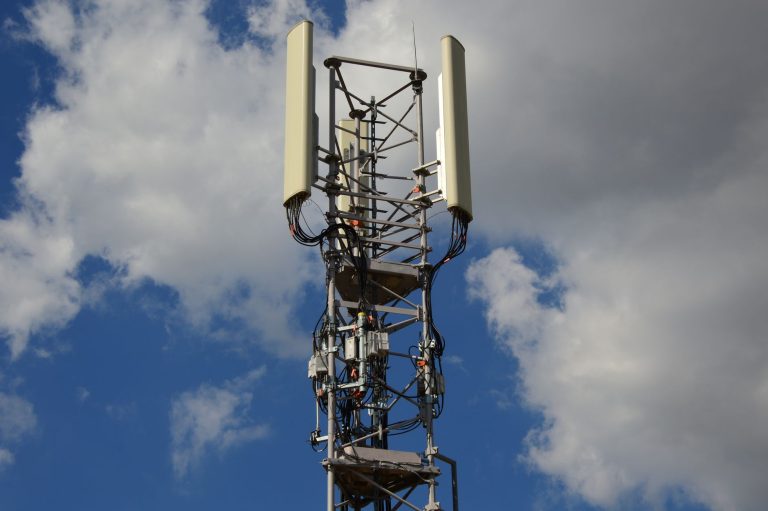
For Telecom Operators and TowerCos: As operators densify 5G networks and deploy edge data centers to host latency-sensitive AI inferencing and network functions (e.g., Open RAN, MEC), power reliability and efficiency at the network edge become paramount. A compact, high-efficiency SST combined with ultracapacitor storage could revolutionize power systems for cell sites and edge facilities, reducing reliance on diesel generators, improving grid stability, and lowering total cost of ownership. This is particularly crucial in regions with unreliable grids across Africa, the Middle East, and South Asia.
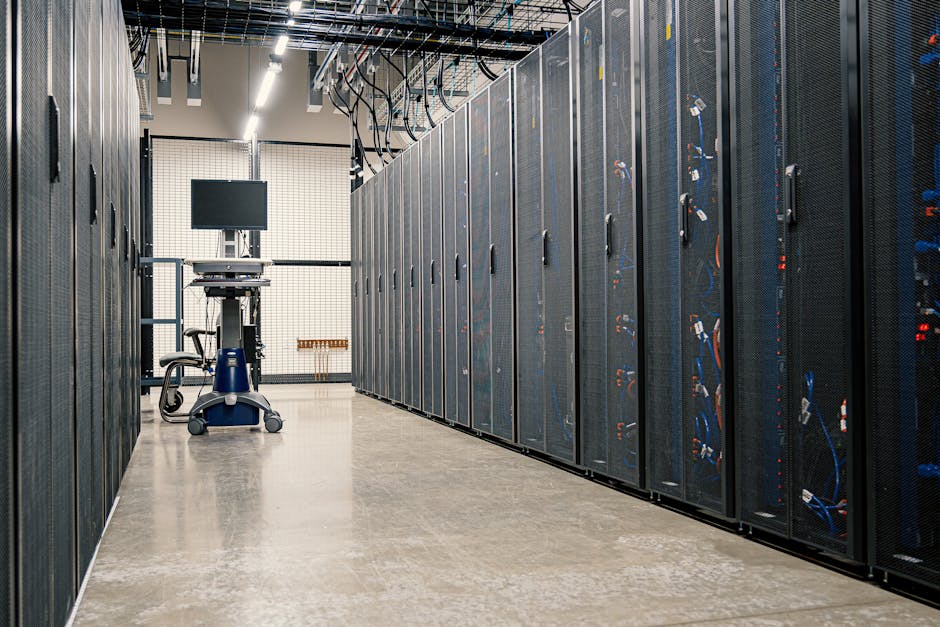
For Data Center Colocation and Hyperscale Providers: Companies like Equinix, Digital Realty, Google, Microsoft, and Amazon Web Services are the primary customers for this technology. Adopting these advanced power solutions allows them to offer higher power-density footprints to AI-centric clients, directly translating to higher revenue per square foot. It also provides a critical competitive edge in sustainability reporting by lowering Power Usage Effectiveness (PUE) and Scope 2 carbon emissions. The ability to guarantee higher power quality and reliability for AI workloads becomes a key service-level agreement differentiator.
For the Competitive Landscape: The Infineon-Skeleton deal creates a formidable alliance. It positions them against other power semiconductor leaders like Wolfspeed and onsemi, and energy storage players focusing on lithium-ion for backup. The collaboration emphasizes that the future of data center power is not just about generation or storage in isolation, but the deep integration of high-efficiency conversion and ultra-fast storage to manage the unique load profile of AI. This may spur similar partnerships between semiconductor and advanced storage companies.
Regional and Strategic Implications: Power as a Foundational Constraint

The development underscores a hard truth for global telecom and digital infrastructure expansion: power availability, cost, and quality are now the primary gating factors, surpassing even fiber connectivity in some markets.
In Mature Markets (North America, Europe): The focus is on retrofitting existing facilities and building new “AI-ready” data centers. Regulatory pressure for carbon neutrality is intense. Solutions that demonstrably improve efficiency will receive preferential treatment in power procurement and may qualify for green subsidies or tax incentives. Telecom operators modernizing central offices into edge data centers will find these integrated power systems essential to meet both performance and environmental goals.
In Growth Markets (Africa, MENA, Southeast Asia): The implications are twofold. First, countries aiming to become regional AI or digital hubs must invest not just in subsea cables and fiber, but in robust, high-capacity power generation and transmission grids. Second, for network deployment in areas with weak grids, the Infineon-Skeleton model points toward more self-sufficient, efficient, and renewable-integrated power systems for macro towers and edge nodes. This reduces operational risk and fuel costs, accelerating digital inclusion. A solar hybrid system with SiC-based inverters and ultracapacitor buffers could provide highly reliable power for remote telecom infrastructure.
Strategic Takeaway for Telecoms: Network planners and CTOs must now treat power architecture with the same strategic importance as network topology. Partnering with infrastructure providers that prioritize next-generation power solutions will be critical for supporting future high-margin services like enterprise AI, immersive media, and ultra-reliable industrial IoT. The energy cost per bit transmitted or computed is becoming the ultimate metric of network efficiency.
Forward-Looking Analysis: The Grid-Telecom Convergence

The Infineon-Skeleton collaboration is a precursor to a deeper convergence between the power grid and telecom/digital infrastructure. As AI and advanced networking drive power demands to unprecedented levels, we foresee several key trends:
- Data Centers as Grid Assets: Advanced power systems with fast-responding storage (like ultracapacitors) could allow large data centers to participate in grid ancillary services, providing frequency regulation and demand response. This turns a cost center into a potential revenue stream.
- Standardization of AI Power Rails: The industry may move towards standardizing higher DC voltage distribution within facilities (e.g., 400V DC or higher) to reduce transmission losses, with partnerships like this one defining the core technology stack.
- Supply Chain and Investment Shifts: Significant capital will flow into the advanced power semiconductor and novel energy storage sectors. Telecom infrastructure investors need to broaden their scope to include these enabling technologies, which underpin the viability of the entire digital economy.
- Regulatory Evolution: Governments and regulators will likely introduce new codes and standards for data center energy efficiency and grid interaction, influenced by the capabilities of these emerging technologies.
In conclusion, the partnership between Infineon and Skeleton Technologies is far more than a component supplier agreement. It is a direct response to the most pressing physical constraint on the growth of AI and, by extension, modern telecom services. By re-architecting the foundational power layer, this collaboration provides the essential toolkit for building the resilient, efficient, and high-capacity digital infrastructure that the next decade of innovation demands. Telecom operators, hyperscalers, and colocation providers who ignore this shift in power economics do so at their own strategic peril.
About the Author