Apple’s John Ternus Leadership: Telecom Implications for Network Infrastructure & Mobile Ecosystem
Source: ETTelecom, reporting on Apple CEO John Ternus’s debut earnings spotlight amid expectations of strong quarterly results, April 29, 2026. Apple’s transition to John Ternus as CEO marks a pivotal moment not just for the consumer electronics giant, but for the global telecommunications ecosystem that…
Source: ETTelecom, reporting on Apple CEO John Ternus’s debut earnings spotlight amid expectations of strong quarterly results, April 29, 2026.
Apple’s transition to John Ternus as CEO marks a pivotal moment not just for the consumer electronics giant, but for the global telecommunications ecosystem that underpins its services. As Ternus prepares for his first earnings call as CEO, with analysts projecting robust iPhone sales and revenue growth, the telecom industry must assess the strategic implications. Ternus, Apple’s Senior Vice President of Hardware Engineering since 2021, brings a deep technical pedigree in device design and integration. For Mobile Network Operators (MNOs), infrastructure vendors, and regulators, his leadership signals a continued, and likely accelerated, focus on hardware that drives network traffic, shapes spectrum demand, and influences global mobile data consumption patterns.
The Hardware Engineer’s Telecom Footprint: iPhone, Connectivity, and Network Load

John Ternus’s tenure overseeing iPhone, iPad, Mac, and AirPods development is directly relevant to telecom network planning. Each new device iteration, particularly iPhone, imposes new demands on mobile infrastructure. Under Ternus, Apple has consistently pushed envelope features that increase per-user data consumption: higher-resolution video capture and streaming (progressive adoption of 4K, 8K, and advanced HDR formats), richer augmented reality (AR) applications requiring low-latency connectivity, and seamless background data synchronization across iCloud and services.
The anticipated “strong results” cited in the source report—likely driven by iPhone sales—translate directly into increased network traffic. Analysts project Apple’s Q1 2026 revenue could exceed $100 billion, with iPhone units estimated in the 55-60 million range. Each new iPhone sold represents a potential multi-year contract for an MNO and a device that will consume significantly more data than its predecessor. Telecom operators must factor Apple’s hardware roadmap, now under Ternus’s purview, into their capacity expansion plans, especially for 5G-Advanced and early 6G spectrum allocations.
From a technical standpoint, Ternus’s engineering background suggests a continued emphasis on tight integration between Apple’s custom silicon (A-series, M-series chips) and wireless modems. Apple’s in-house modem development, following its acquisition of Intel’s smartphone modem business in 2019, remains a critical project. Success under Ternus could lead to Apple-designed 5G/6G modems with unique power efficiency or performance characteristics, potentially altering the competitive dynamics for modem suppliers like Qualcomm and impacting how operators optimize their networks for Apple-specific device behaviors.
Strategic Impact on Operators, Infrastructure, and the Competitive Landscape
For telecom operators, the Ternus era at Apple reinforces several key strategic considerations:
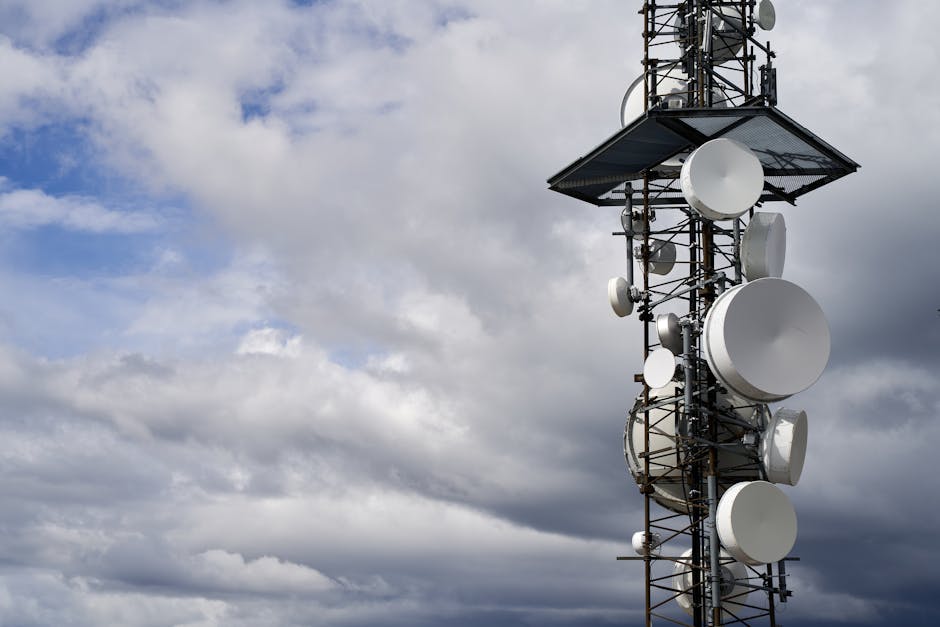
- Data Traffic Management & Capex: Apple devices are primary drivers of mobile data growth. Operators in high-Apple-penetration markets (North America, Europe, parts of Asia) must continue aggressive investment in fiber backhaul, small cell densification, and core network upgrades to handle the traffic generated by new iPhone features and services like Apple Vision Pro spatial computing.
- Enterprise & Private Networks: Apple’s growing push into enterprise with iPad, Mac, and developer tools under Ternus’s hardware leadership influences demand for private 5G networks and UCaaS (Unified Communications as a Service) integrations. Telecom operators providing enterprise services must ensure seamless compatibility and performance for Apple hardware ecosystems.
- Spectrum Strategy: Apple’s advocacy for specific spectrum bands (e.g., its support for 5G mmWave in the U.S.) shapes operator investment. Ternus, as an engineer, may influence Apple’s lobbying for spectrum policies that favor its device performance, affecting global regulatory approaches.
- Competitive Pressure on Android OEMs: Strong Apple performance under Ternus pressures Samsung, Google, and other Android manufacturers to match hardware innovation. This competition trickles down to telecom operators, who must support a diverse, high-performance device ecosystem, often requiring differentiated network tuning and marketing partnerships.
For infrastructure vendors (Ericsson, Nokia, Huawei, Cisco, etc.), Apple’s direction influences demand for specific network equipment. A focus on low-latency applications (AR, real-time gaming) drives need for edge computing infrastructure and advanced RAN (Radio Access Network) solutions. Apple’s deepening integration of satellite connectivity (via Globalstar for Emergency SOS, potential expansion) also impacts partnerships between satellite operators (like Globalstar) and terrestrial MNOs for hybrid network offerings.
Regional Implications: Africa, MENA, and Emerging Market Dynamics

While Apple’s strongest markets remain developed economies, its strategy under Ternus will affect telecom development in Africa and the MENA region in several ways:
- Premium Segment Network Differentiation: In regions like South Africa, Nigeria, Saudi Arabia, and UAE, where Apple has a significant premium market share, operators (MTN, Vodacom, STC, Etisalat) use iPhone launches and Apple partnerships as key tools for branding and attracting high-ARPU (Average Revenue Per User) customers. Ternus’s hardware focus ensures this segment remains a battleground for operator marketing and network quality claims.
- Infrastructure Benchmarking: Apple devices often serve as de facto benchmarks for network performance testing. Operators in emerging markets upgrading to 5G will use iPhone performance as a metric to validate their network investments. Ternus’s engineering-driven improvements in antenna design, modem efficiency, and thermal management will raise the bar for what constitutes a “good” 5G experience, pushing operators to further optimize.
- Satellite Connectivity Expansion: Apple’s existing satellite emergency service hints at a broader ambition for hybrid satellite-cellular connectivity. In Africa and MENA, where terrestrial coverage gaps persist, Apple’s potential expansion of satellite services under Ternus could spur new partnerships between MNOs and satellite providers (e.g., SES, Intelsat, or LEO operators like SpaceX’s Starlink), creating new revenue streams and coverage models.
- Supply Chain & Local Manufacturing: Apple’s manufacturing diversification, potentially influenced by Ternus’s operational decisions, could affect telecom device availability in regions like India (a major iPhone assembly hub) and Southeast Asia, impacting local operator device portfolios and launch timelines.
Forward-Looking Analysis: The Telecom Sector Under Apple’s New Leadership
John Ternus’s ascension to Apple CEO coincides with a critical juncture for telecom: the transition from 5G to 5G-Advanced and early 6G research, the rise of AI-integrated networks, and the blending of terrestrial and non-terrestrial (satellite) networks. His technical leadership suggests Apple will continue to be a forceful driver of network evolution.
Key areas for telecom industry monitoring:
- AI & Network Intelligence: Apple’s on-device AI strategy (with its neural engine silicon) may reduce reliance on cloud AI for some tasks, affecting network traffic patterns. However, more complex AI services will increase uplink/downlink data demands. Operators must plan for asymmetric traffic growth.
- Wi-Fi & Fixed-Mobile Convergence: Apple’s control over both cellular and Wi-Fi chipsets (e.g., in iPhone, iPad) positions it to deeply influence Fixed-Mobile Convergence (FMC) and Wi-Fi 7/8 adoption. Operators offering FMC bundles must align with Apple’s implementation.
- Regulatory Engagement: Ternus may bring a more engineering-focused voice to Apple’s regulatory engagements on spectrum, net neutrality, and device certification standards, potentially altering the dialogue in key markets.
- Partnership Models: Will Ternus deepen Apple’s direct partnerships with operators for exclusive services, or maintain a more neutral distribution model? This decision affects operator competitiveness and service differentiation.
Ultimately, for the telecom sector, Apple is not merely a device vendor; it is a network traffic originator, a standards influencer, and a benchmark for user experience. John Ternus’s hardware-centric leadership ensures that Apple’s product decisions will continue to reverberate through mobile network planning, infrastructure investment, and operator strategy for years to come. The anticipated strong earnings underscore the economic weight of this relationship: robust iPhone sales fund Apple’s R&D, which in turn dictates the next generation of network demands that operators must meet.