Elon Musk’s Telecom Infrastructure Play: How Tesla, xAI, and X Are Shaping Network Demand
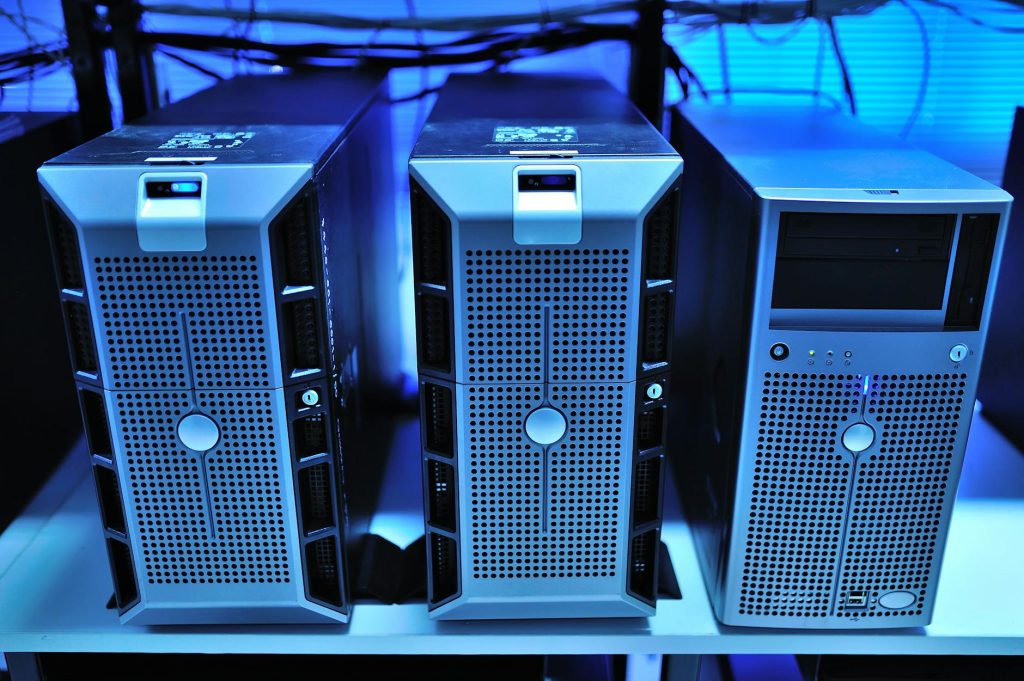
Source: Analysis based on infrastructure disclosures from Tesla, xAI, and X (formerly Twitter), as reported by Dgtl Infra and other industry filings. The strategic build-out of proprietary data centers and compute clusters by Elon Musk’s portfolio companies represents a seismic shift in demand patterns for core telecom services, including hyperscale connectivity, fiber backhaul, and edge compute colocation.
Elon Musk’s vertically integrated technology empire – spanning automotive (Tesla), social media (X), and artificial intelligence (xAI) – is undergoing a massive, capital-intensive infrastructure expansion. This is not merely a story of corporate data centers; it is a fundamental redrawing of the hyperscale demand map, creating both competitive pressure and partnership opportunities for global telecom operators and infrastructure providers. From Tesla’s in-house Dojo supercomputer clusters to xAI’s planned 100,000 H100 GPU farm, these projects consume gigawatts of power and require terabits per second of low-latency, resilient network connectivity. For telecom carriers, this concentrated demand represents a new class of anchor tenant, one that prioritizes bespoke fiber routes, direct cloud interconnects, and scalability over standard retail colocation.
Technical Deep Dive: Musk’s Portfolio and Its Network Appetite
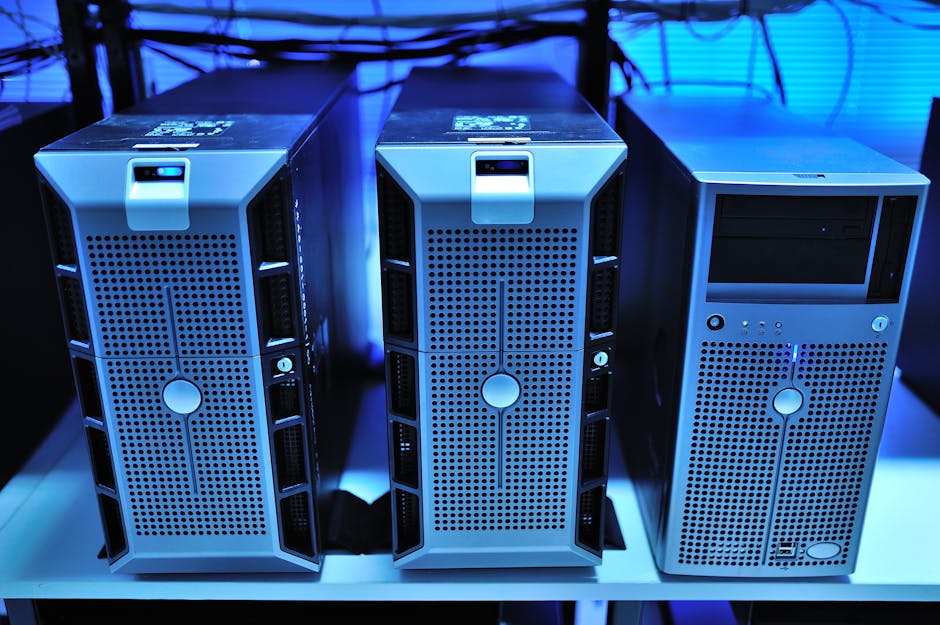
The infrastructure footprint across Musk’s companies is diversifying from enterprise IT to becoming a primary driver of wholesale telecom demand. Each entity has distinct but overlapping requirements.
Tesla & Dojo Supercomputer: Tesla’s primary compute workload is autonomous vehicle (AV) training, which is migrating from a reliance on NVIDIA GPUs in third-party clouds to its proprietary Dojo supercomputer. Dojo is a custom-built system using Tesla-designed D1 chips and a proprietary interconnect fabric. The first Dojo cluster, unveiled in 2023 at Tesla’s Palo Alto data center, is a 1.3-megawatt (MW) installation. Tesla has outlined plans to scale Dojo capacity to over 100 exaflops by the end of 2024. This expansion is tied to new data center builds, including a previously undisclosed 50 MW facility near its Gigafactory Texas. The network imperative here is massive internal east-west traffic for distributed training jobs, coupled with intense external connectivity to ingest global fleet data from millions of vehicles. Tesla operates its own global private network for vehicle telemetry, but the Dojo clusters will necessitate new high-capacity fiber links to major internet exchanges and cloud on-ramps for software updates and map data.
xAI’s Generative AI Build-Out: Musk’s AI startup, xAI, is pursuing an aggressive hardware strategy to compete with OpenAI and Google. The company is reportedly building a 100,000-unit cluster of NVIDIA H100 GPUs, which would represent one of the largest single AI training infrastructures in the world. To put this in perspective, a cluster of this size would have a power demand exceeding 70 MW for the GPUs alone, with total facility load likely surpassing 100 MW when accounting for cooling and networking. xAI has signaled it will not rely solely on public cloud providers, opting instead to own and operate its infrastructure. This requires sourcing data center shells (often from specialists like Digital Realty or QTS) and layering in its own high-performance networking, likely leveraging 400 Gigabit Ethernet (400GbE) or InfiniBand fabrics. For telecom operators, this creates demand for dark fiber and wavelength services connecting these mega-clusters to strategic points of presence (PoPs) and to X’s social graph data.
X (Twitter) and Real-Time Data Feeds: X’s transformation into an “everything app” under Musk has increased its underlying infrastructure demands. While the company has historically used a mix of its own data centers and public cloud, there is a renewed focus on in-house capabilities to reduce costs and improve performance for features like real-time video spaces and AI-powered content curation. X’s value to the broader Musk ecosystem is its real-time data firehose, a critical training dataset for xAI’s Grok chatbot. This necessitates high-throughput, low-latency network connections between X’s primary data storage/logging facilities and xAI’s training clusters. The data transfer requirements are petabyte-scale, moving beyond traditional internet transit to dedicated, high-capacity private network interconnects.
Industry Impact: New Demand Drivers and Competitive Threats

The build-out by Musk’s companies directly impacts several telecom industry segments, creating both revenue opportunities and disintermediation risks.
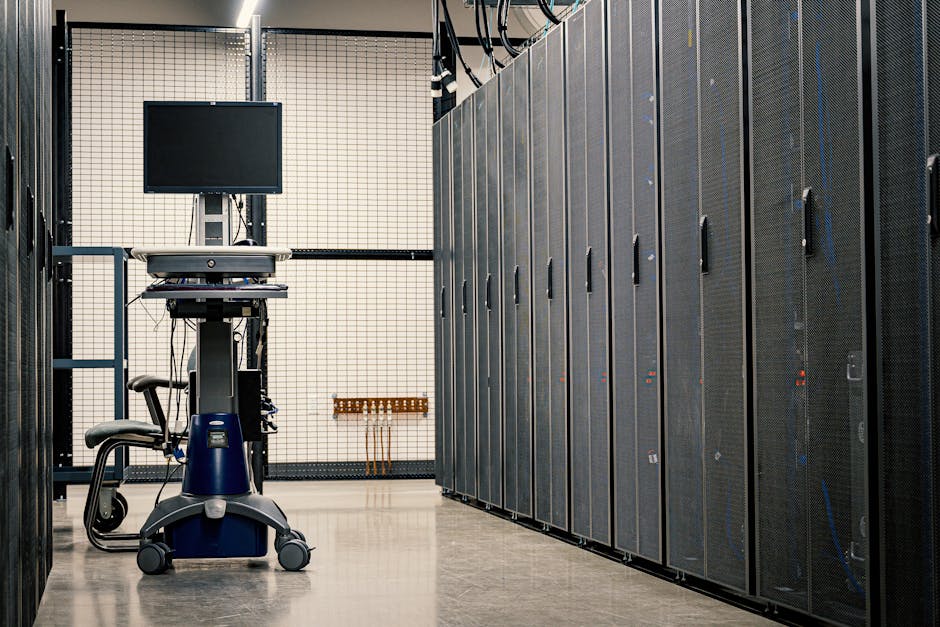
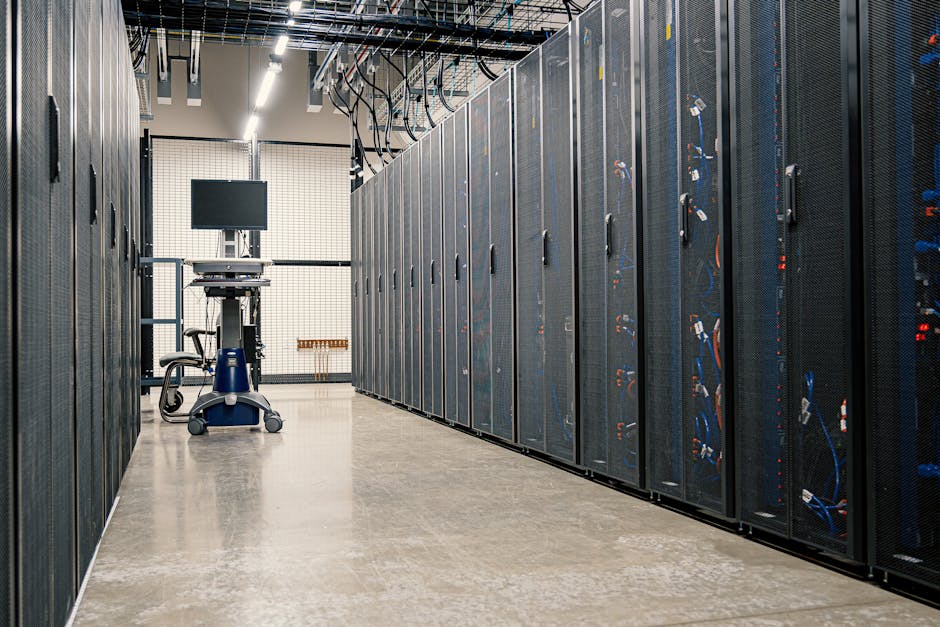
Hyperscale Data Center & Colocation Providers: Companies like Digital Realty, Equinix, and CyrusOne are the first-tier beneficiaries. They provide the critical shell and power infrastructure (“hyperscale shells”) that xAI and Tesla are leasing and customizing. However, the relationship is evolving. Tenants of this scale increasingly demand bespoke solutions: higher power densities (often 50-100 kW per rack for AI clusters), direct liquid cooling support, and flexible, scalable power contracts. The colocation provider’s role is shifting from a retail landlord to a strategic utility partner. Furthermore, these clusters must be networked together. This drives sales of cross-connects within a data center campus and, more importantly, fuels demand for the provider’s interconnection platforms like Equinix Cloud Exchange Fabric, which can offer private, software-defined connectivity to cloud providers and network carriers.
Network Operators & Fiber Providers: This is where the most significant telecom revenue lies. Each new 100 MW AI data center cluster requires multiple diverse, high-count dark fiber routes for redundancy and capacity. Operators like Zayo, Lumen, AT&T, and regional fiber builders are competing to provide these backhaul links. The requirements are stringent: low-latency paths, support for 400GbE+ wavelengths, and often a requirement for the operator to provide managed wavelength services end-to-end. Additionally, there is a major opportunity in providing the wide-area network (WAN) connectivity between geographically dispersed clusters (e.g., linking a Texas-based Dojo cluster to Tesla’s engineering HQ in California). This favors operators with robust long-haul fiber networks. The threat, however, is that entities like Tesla, with its existing private global network for vehicles, could extend that infrastructure to support its data center interconnects, bypassing traditional carriers for core routes.
Competitive Landscape with Cloud Providers: Musk’s in-house strategy represents a notable rejection of the standard “AI-in-the-public-cloud” model championed by AWS, Microsoft Azure, and Google Cloud. While these cloud providers will still see usage from these companies (for less critical workloads, burst capacity, or specific services), the core, capital-intensive AI training is being internalized. This forces cloud providers to double down on attracting the next tier of AI startups and enterprises, while also competing to provide the networking and interconnect services that link these on-premise AI clusters to other cloud services—a growing segment known as “hybrid cloud networking.”
Strategic Implications for the Global Telecom Ecosystem
The geographic and strategic decisions of Musk’s companies will have ripple effects across global telecom markets, particularly in the U.S. and key international regions.
Geographic Concentration and Grid Pressure: AI data centers are location-constrained by two factors: affordable, abundant power and low-latency connectivity to major markets. Tesla’s expansion in Texas and xAI’s reported site selections are focusing on markets with competitive power markets and growing hyperscale ecosystems, such as Texas, Nevada, and potentially the Southeastern U.S. This intensifies competition for grid capacity and fiber right-of-way in these regions. Telecom operators must proactively invest in fiber builds to these emerging AI hubs, often ahead of confirmed tenant demand, to capture market share. Conversely, regions with expensive power or limited fiber diversity risk being left out of this investment cycle.
Synergies with Starlink and Global Connectivity:
While not explicitly part of the source article’s data center focus, the telecom implications cannot ignore SpaceX’s Starlink. Starlink’s low-Earth orbit (LEO) satellite network provides a unique, globally distributed edge compute and data ingestion layer. Future synergies are inevitable. For example, Tesla vehicle data in remote areas could be backhauled via Starlink to ground stations, which then connect via fiber to Dojo training clusters. Similarly, X could leverage Starlink for content delivery or user access in underserved regions, altering traffic patterns and peering relationships. This vertical integration of space-based connectivity with terrestrial AI compute presents a novel, closed-loop network model that traditional telecom operators cannot easily replicate, positioning the Musk ecosystem as both a customer and a potential competitor in global backhaul. Impact on African & MENA Telecom Strategies: The AI infrastructure race is currently centered in North America and Europe. However, the data used to train global AI models must be globally representative. This creates a longer-term imperative for high-capacity, low-latency submarine cable and terrestrial fiber links from data-rich regions like Africa and the Middle East to these AI hubs. Projects like the 2Africa cable and the India-Asia-Europe corridors become even more critical as pipelines for training data. Furthermore, if X succeeds in becoming a dominant global platform, its points of presence and caching infrastructure in these regions will expand, driving demand for in-country colocation and interconnection services from local telecom operators like MTN, Vodacom, or stc. The infrastructure ambitions of Elon Musk’s portfolio are a bellwether for a broader industry shift: the move from cloud-centric to infrastructure-centric AI development. For the telecom sector, this translates to a gold rush in high-capacity, low-latency connectivity tailored for machine-to-machine traffic. Network operators must evolve their offerings beyond standard DIA and IP transit to become architects of purpose-built AI WANs. Colocation providers must innovate in power delivery and liquid cooling. The line between telecom customer and competitor will blur as vertically integrated giants like Tesla build their own network muscle. Forward-looking operators will position themselves as essential partners in this ecosystem, offering not just bandwidth but deep expertise in AI workload networking, geographic site selection advisory, and seamless interconnection across hybrid environments. The companies that fail to recognize the unique requirements of this 100-GPU-rack, petabyte-transfer world risk being relegated to providing commodity internet access, while the strategic value—and premium revenue—migrates to those who can power and connect the engines of artificial intelligence.Conclusion: The Telecom Infrastructure Arms Race Escalates