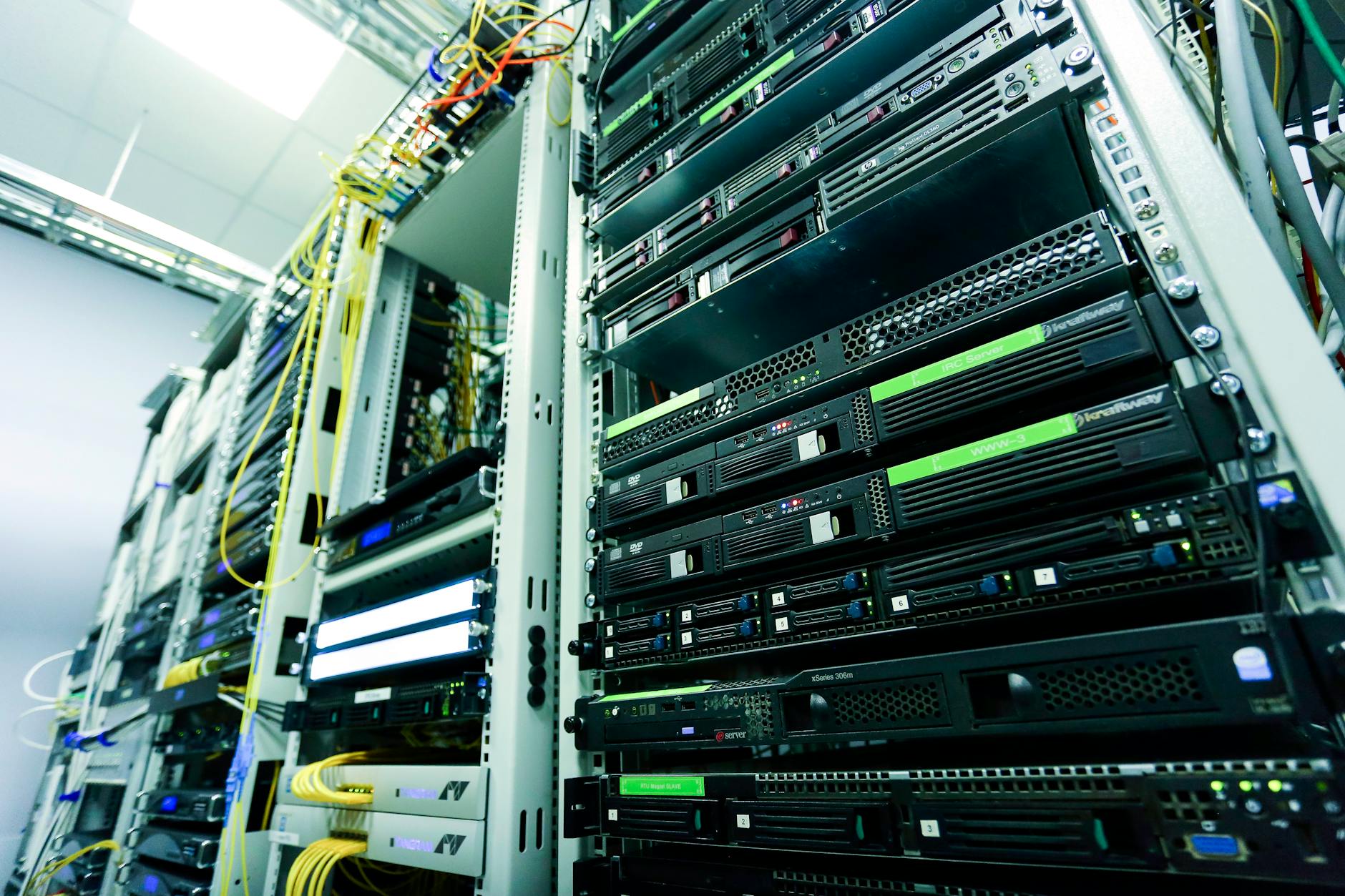
Source: IEEE Communications Society Technology Blog, “Why Batch Pipelines Break AI Agents: The Case For Streaming-First Network Operations,” published May 14, 2026.
The traditional model of collecting, processing, and analyzing network data in periodic batches is collapsing under the weight of modern demands for real-time assurance, AI-driven automation, and sub-second response to network anomalies. According to a foundational analysis from the IEEE Communications Society, telecom operators clinging to batch-centric data pipelines are fundamentally crippling their ability to deploy effective AI agents for network operations (NetOps) and are accruing significant operational debt. For infrastructure executives and network engineers, the mandate is clear: the future of efficient, automated, and resilient network management hinges on a strategic pivot to streaming-first data architectures capable of processing telemetry, performance metrics, and fault data in continuous, real-time flows.
The Technical Imperative: Latency, Data Freshness, and the Limits of Batch Processing

At the core of the argument is a simple, yet profound, technical mismatch. Modern telecom networks—comprising 5G Standalone cores, network slicing, massive IoT deployments, and low-latency edge compute—generate event streams that are inherently continuous and time-sensitive. A batch processing paradigm, where data is accumulated over intervals (e.g., 5, 15, or 60 minutes) before being dumped into a data lake for historical analysis, introduces fatal latency. For an AI agent tasked with dynamic radio resource management, a 15-minute-old snapshot of cell tower congestion is useless. For a security agent detecting a DDoS attack on a critical network function, a batch cycle delay could mean the difference between containment and a cascading outage.
The IEEE analysis highlights specific technical bottlenecks:
- Data Freshness Decay: Batch systems operate on the principle of “eventually consistent” data. In a network where a fiber cut can reroute terabits of traffic in milliseconds, “eventual” is a luxury operators cannot afford. AI models trained and inferring on stale data produce inaccurate predictions and suboptimal actions.
- State Management Overhead: Batch pipelines often require complex state reconciliation between runs. In contrast, streaming frameworks like Apache Flink, Kafka Streams, or cloud-native services (AWS Kinesis, Google Cloud Dataflow) are built for continuous stateful processing, maintaining the real-time context of millions of network elements and sessions.
- Resource Inefficiency: Batch jobs typically consume large, bursty compute resources, whereas streaming applications can be optimized for steady-state resource consumption, aligning better with the always-on nature of telecom networks.
The shift is not merely about speed; it’s about aligning the data processing model with the physics and economics of the network itself. The data pipeline must become as real-time as the services it supports.
Industry Impact: Re-Architecting NetOps for AI and Automation
For telecom operators (MNOs), tower companies (towercos), and infrastructure providers, this technical shift triggers a strategic overhaul of NetOps. The integration of AI agents for functions like predictive maintenance, capacity planning, and customer experience management is predicated on a real-time data feed.
Key operational transformations include:
- Proactive Fault Management: Streaming pipelines enable anomaly detection at the ingest point. Instead of a nightly batch job flagging a failed line card, a streaming agent can correlate a spike in CRC errors on a specific DWDM channel with a gradual laser drift, triggering a maintenance ticket before customer-impacting outages occur. Companies like Ericsson (with its Intelligent Automation portfolio) and Nokia (Motive) are embedding such real-time analytics into their OSS platforms.
- Dynamic Network Slicing Assurance: Guaranteeing SLA parameters for a 5G network slice—such as ultra-low latency or guaranteed bandwidth—requires millisecond-level monitoring of slice performance. Batch systems cannot provide the closed-loop control needed to dynamically adjust resources between slices. Streaming data is essential for the real-time RAN Intelligent Controllers (RIC) and orchestration layers.
- Cost Optimization: Real-time visibility into network utilization allows for more granular and immediate power management (e.g., putting underutilized radio units into sleep mode), capacity scaling in cloud-native network functions (CNFs), and traffic routing optimizations, directly impacting OpEx.
- Vendor & Platform Strategy: This shift forces a reevaluation of OSS/BSS vendor capabilities. Operators must demand streaming-native data ingestion and processing capabilities from their suppliers. It also accelerates the move toward cloud-native, microservices-based network management platforms that can scale elastically with data streams.
Regional Implications: Streaming as a Competitive Differentiator in Africa and MENA

In growth markets like Africa and the Middle East and North Africa (MENA), the streaming-first imperative carries unique weight. These regions are characterized by rapid, often leapfrog, digitalization, high demand for mobile financial services, and increasing pressure on network infrastructure.
The strategic implications are twofold:
1. Overcoming Infrastructure Constraints: Many networks in these regions manage a heterogeneous mix of legacy 2G/3G, 4G, and new 5G deployments, often with varying levels of fiber backhaul reliability. A streaming data architecture can provide a unified, real-time view across this patchwork, enabling more intelligent traffic steering to optimize scarce backhaul capacity and improve overall network resilience. For example, an operator like MTN Group or Airtel Africa could use real-time streaming analytics to dynamically manage traffic between satellite backhaul (e.g., Starlink) and terrestrial fiber based on cost, latency, and congestion.
2. Enabling New Service Revenue: The ability to offer and assure sophisticated enterprise services—such as dedicated IoT networks for mining, agriculture, or smart cities—depends on real-time network slicing and performance monitoring. Operators that master streaming data operations will be better positioned to capture high-margin enterprise and government contracts, moving beyond commoditized consumer mobile broadband.
Furthermore, the rollout of new submarine cables (like 2Africa, Equiano, and PEACE) and terrestrial fiber networks across Africa is creating abundant capacity. The competitive edge will shift from mere connectivity to the quality, intelligence, and reliability of service delivery—all underpinned by real-time NetOps.
The Path Forward: Building the Streaming-First Telecom Data Stack

Transitioning from batch to streaming is not a simple flip of a switch; it is a multi-year architectural journey. Operators must approach it with a clear roadmap:
- Instrumentation & Telemetry: The foundation is ubiquitous, high-frequency telemetry from every network layer—from optical performance monitors (OPM) in the fiber plant to RAN key performance indicators (KPIs) and core network function metrics. This requires standardizing on streaming-friendly protocols like gNMI/gRPC, OpenConfig, and high-volume data formats (e.g., Apache Parquet, Avro).
- Streaming Middleware: Deploying a robust, scalable event streaming platform (e.g., Apache Kafka, Redpanda, or commercial cloud offerings) as the central nervous system for all network data. This platform must handle the ingestion, durable storage, and real-time distribution of data streams to various consumers (AI agents, dashboards, databases).
- Real-Time Processing Engines: Implementing stream processing frameworks (Apache Flink, Spark Structured Streaming) to perform continuous aggregation, correlation, and anomaly detection on the fly, before data is ever stored.
- AI/ML Integration: Deploying AI models that can consume streaming data directly for inference, enabling real-time decision-making. This also involves moving from periodic model retraining to continuous online learning based on the live stream.
- Organizational & Skill Shift: Perhaps the greatest challenge is cultural. NetOps teams must evolve from schedulers of batch jobs to developers and supervisors of continuous dataflows and AI agents. This necessitates upskilling in data engineering, stream processing, and MLOps.
The telecom industry stands at an inflection point. The complexity of networks and the expectations for automation and intelligence have outstripped the capabilities of 20th-century batch data paradigms. As the IEEE analysis concludes, the operators who invest now in building their streaming-first data foundation will unlock unprecedented operational efficiency, service agility, and competitive advantage. Those who delay will find their AI ambitions hamstrung by data latency, their operational costs inflated by inefficiency, and their ability to innovate constrained by architectural debt. The race to real-time NetOps is not just a technology trend; it is a fundamental prerequisite for surviving and thriving in the next decade of telecommunications.
About the Author