Copper Theft Crisis Escalates: Canadian Senate Report Highlights Systemic Threat to Telecom, Power, and Rail Infrastructure
Copper Theft Crisis Escalates: Canadian Senate Report Highlights Systemic Threat to Telecom, Power, and Rail InfrastructurePhoto by David Brown Source: The Senate of Canada’s Standing Committee on Transport and Communications (TRCM). Insight: A landmark Senate committee report, released in April 2026, formally recognizes copper theft…
Copper Theft Crisis Escalates: Canadian Senate Report Highlights Systemic Threat to Telecom, Power, and Rail Infrastructure

Source: The Senate of Canada’s Standing Committee on Transport and Communications (TRCM). Insight: A landmark Senate committee report, released in April 2026, formally recognizes copper theft as a national security and economic threat, moving beyond the telecom industry’s long-standing warnings. The report, “Cutting the Copper: The Theft of Critical Metals from Canada’s Infrastructure,” calls for urgent, coordinated federal action involving law enforcement, regulators, and critical infrastructure operators to combat a crime wave costing the economy hundreds of millions annually and jeopardizing network reliability.
A Technical and Economic Deep Dive: The Scale and Impact of Copper Theft
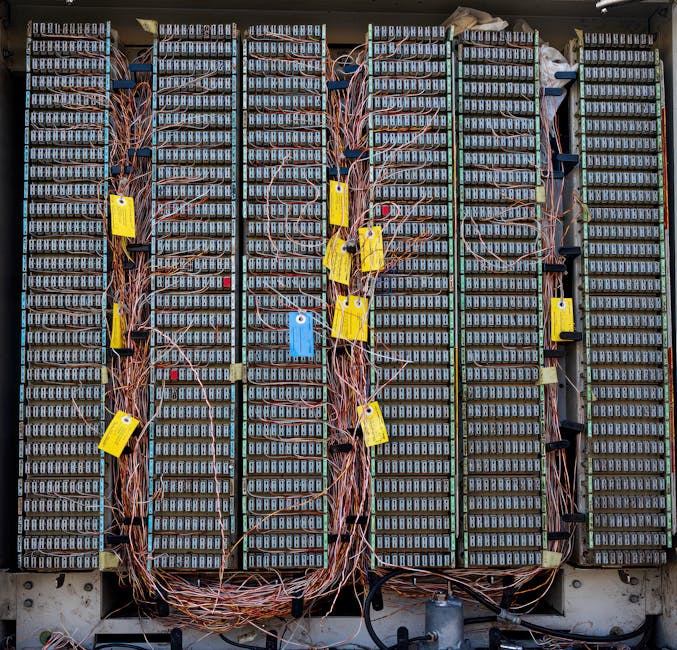
The Senate committee’s investigation quantified the staggering scale of the problem, which has evolved from opportunistic crime to organized, sophisticated operations. Key findings relevant to telecom network operators include:
- Massive Financial Toll: Bell Canada reported spending over CAD $40 million in 2025 alone on repairs and security related to copper theft. Telus cited similar multi-million dollar annual costs. For the broader economy, including power utilities (Hydro-Québec, BC Hydro) and railways (CN, CPKC), total annual losses are estimated in the hundreds of millions of dollars.
- Network Vulnerability Points: Thefts are not limited to decommissioned or rural lines. Criminals target active infrastructure, including:
– Telecom Access Nodes & Cabinets: Street-level cabinets and remote terminals, often in less surveilled areas.
– Aerial Plant: Copper cables on utility poles, particularly in suburban and semi-rural corridors.
– Underground Conduit Access Points: Manholes and handholes are breached to pull out hundreds of meters of cable.
– Central Office Grounding Systems: Theft of grounding and bonding copper poses direct safety and lightning protection risks. - Service Disruption Amplifier: A single theft incident can knock out service for thousands of customers—residential POTS lines, business SIP trunks, wholesale DSL access, and alarm/security systems. Restoration is not a simple splice; it often requires complete cable replacement, leading to multi-day outages. The report notes these disruptions cripple 911 access, home healthcare monitoring, and small business operations.
- Supply Chain & Scrap Market Dynamics: The committee traced the illicit flow of metal, highlighting how stolen telecom copper enters a fragmented scrap and recycling industry. While some provinces have regulations, there is no consistent national framework for documenting metal sales, making it easy for thieves to quickly monetize stolen infrastructure.
Industry Impact: Operational, Financial, and Strategic Repercussions for Telcos

The Senate’s findings force a strategic reckoning for telecom operators, moving copper theft from an operational nuisance to a board-level risk management issue.
- Capital and Opex Drain: The millions spent annually on reactive repairs and physical security (guards, camera systems, hardened enclosures) represent a direct drain on capital that could be deployed for fiber-to-the-premises (FTTP) rollout or 5G densification. This creates a perverse incentive: operators protecting legacy copper plant are spending to maintain a network they aim to sunset.
- Accelerated Copper Retirement & Fiber Migration: The report validates the business case for aggressively accelerating the retirement of copper access networks. For incumbents like Bell and Telus, every copper theft incident strengthens the ROI argument for FTTP overbuilds. The operational cost of securing copper indefinitely may now exceed the capital cost of fiber replacement in many scenarios.
- Infrastructure Hardening as a Necessity: Where copper remains in service, operators must invest in next-generation physical security. This includes:
– Smart Monitoring: IoT sensors in cabinets detecting door breaches, cable tension loss, or temperature changes, integrated with centralized NOCs.
– Non-Metallic Alternatives: Use of steel-reinforced or non-metallic sheathing that has no scrap value.
– Geofencing & Tracking: Micro-tagging solutions or chemical tracers applied to cables to allow law enforcement to identify stolen property. - Wholesale and Regulatory Implications: For competitors relying on incumbent copper loops for wholesale access (e.g., DSL resellers), the deteriorating reliability of the underlying plant becomes a significant service quality and churn risk. Regulators like the CRTC may need to consider the impact of theft-induced outages on mandated service level agreements (SLAs).
Beyond Canada: Global Implications for Telecom Infrastructure Security

While the Senate report focuses on Canada, the copper theft epidemic is a global phenomenon with acute relevance to developing telecom markets in Africa, MENA, and parts of Asia-Pacific.
- African & MENA Telecom Parallels: Markets with extensive legacy copper backbones or where new fiber builds are vulnerable face similar threats. In South Africa, Eskom and Telkom have long battled cable theft syndicates. The Canadian Senate’s model for a national task force and legislative action provides a potential blueprint for other governments.
- Strategic Vulnerability of Hybrid Networks: In regions where networks are a mix of new fiber and legacy metallic plant for backhaul or last-mile access, the copper segments become critical points of failure. Protecting these assets is essential for overall network integrity.
- Impact on Submarine Cable Landing Stations and Major Hubs: Theft of grounding and power cabling at critical infrastructure points like cable landing stations or major IXPs could cause catastrophic outages. The report’s emphasis on protecting “critical infrastructure” underscores the need for heightened security at these sites worldwide.
- Supply Chain Security for 5G and Fiber Deployments: Theft isn’t limited to in-ground cable. The global shortage of raw materials has made spools of new copper cable and connectorized pigtails a target at warehousing and construction sites, delaying rollouts and increasing project costs.
Forward-Looking Analysis: The Path to Securing Critical Networks
The Senate committee’s recommendations, if acted upon, could reshape the landscape. Key forward-looking actions for the telecom sector include:
- Advocacy for National Legislation: Telcos must unite with power and rail sectors to push for a federal law mirroring recommendations: creating a national database for scrap metal transactions, imposing stronger penalties, and requiring proof of origin for sellers.
- Investment in Proactive Security Technology: The era of passive protection is over. Operators will increasingly deploy AI-powered video analytics at vulnerable sites, predictive analytics to identify high-risk areas based on theft patterns, and drone surveillance for remote infrastructure.
- Accelerated Network Transformation: The ultimate technical solution is the elimination of valuable metallic medium from publicly accessible infrastructure. This report adds powerful economic and risk-management arguments to the existing technical drivers for full fiber and wireless access.
- Cross-Industry Collaboration: Sharing threat intelligence and best practices on physical security with other infrastructure operators—a model already emerging in some regions—will become standard practice to stay ahead of organized theft rings.
For telecom executives and infrastructure investors, the Canadian Senate report is a stark reminder that physical layer security is inseparable from cybersecurity and operational resilience. The cost of inaction is no longer just financial; it is measured in lost connectivity, compromised safety, and national economic drag. The industry’s response will require a blend of technological innovation, aggressive network modernization, and unprecedented cross-sector political advocacy.