The Federal Communications Commission (FCC) has voted to open 550 megahertz of mid-band spectrum in the 4.9 GHz band for 5G Fixed Wireless Access (FWA) use, according to a notice of proposed rulemaking released by the regulator on March 10, 2025. The decision, driven by a petition from the Fixed Wireless Communications Coalition, reallocates spectrum previously designated for public safety broadband to now permit shared commercial 5G FWA operations. This move directly addresses the surging demand for high-speed broadband in underserved and rural areas, positioning FWA as a central component of national connectivity strategies. For telecom operators and infrastructure vendors, this represents a substantial opportunity to accelerate network densification and expand serviceable addressable markets using existing 5G NR (New Radio) standards, without waiting for new auction cycles.
Technical Deep Dive: Unlocking the 4.9 GHz Band for 5G NR

The FCC’s proposal specifically targets the 4.94-4.99 GHz band (4.9 GHz band), a 50 MHz swath of spectrum historically reserved for public safety broadband under the Broadband Radio Service (BRS). The new rules would re-designate this band for shared use, allowing commercial 5G FWA deployments to coexist with incumbent public safety licensees under a coordinated, non-interference basis. The technical framework leverages existing 3GPP 5G NR specifications in Band n79, which is already standardized for this frequency range (4.4-5.0 GHz). This means equipment from major radio access network (RAN) vendors like Ericsson, Nokia, and Samsung is already commercially available, enabling rapid deployment.
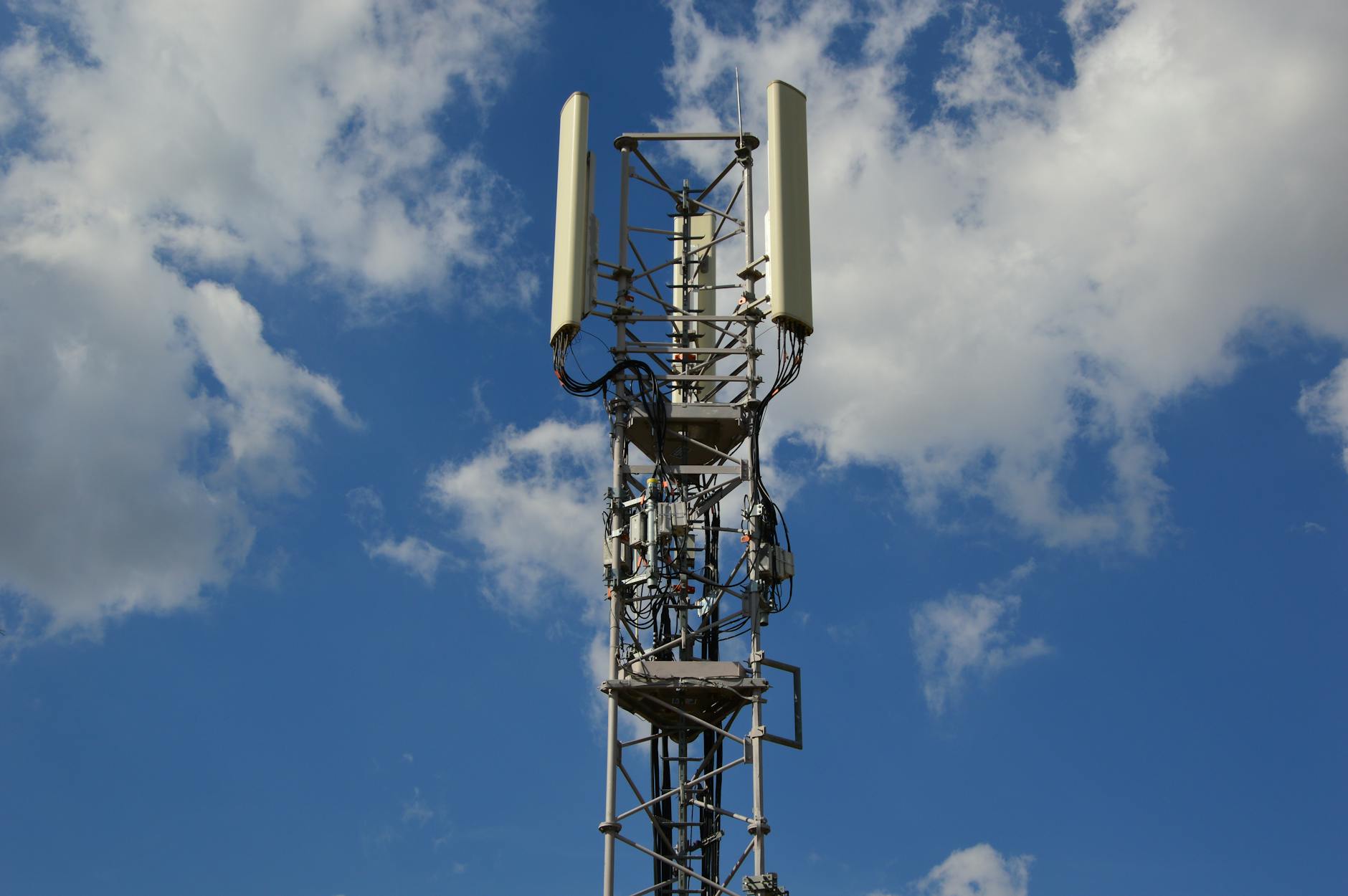
From a propagation standpoint, the 4.9 GHz band offers a favorable balance between coverage and capacity. Compared to high-band mmWave spectrum (e.g., 24 GHz, 28 GHz), signals at 4.9 GHz experience lower atmospheric attenuation and can cover larger cell radii—typically several kilometers with line-of-sight. Compared to low-band spectrum below 1 GHz, it provides significantly higher channel bandwidths, essential for delivering the multi-hundred Mbps speeds required for competitive FWA services. The band is particularly suited for point-to-multipoint (PMP) architectures using sector antennas on towers or rooftops. Crucially, the FCC’s proposal mandates the use of Automated Frequency Coordination (AFC) systems, similar to those used in the 6 GHz band for Wi-Fi 6E, to dynamically manage sharing between commercial FWA operators and public safety incumbents, ensuring network reliability.
Industry Impact: Accelerating FWA Buildouts and Intensifying Competition
This regulatory shift is a direct win for Mobile Network Operators (MNOs) and Fixed Wireless Internet Service Providers (WISPs) investing heavily in FWA. For major carriers like Verizon and T-Mobile, which have made FWA a cornerstone of their growth strategies, access to additional licensed mid-band spectrum enhances network capacity and improves service quality in congested areas. T-Mobile reported over 5 million FWA subscribers as of Q4 2024, while Verizon added nearly 400,000 FWA subscribers in the same quarter. The 4.9 GHz band provides these operators with more dedicated spectrum to offload traffic from their mobile networks and support higher-tier FWA plans.
For smaller, regional WISPs and competitive local exchange carriers (CLECs), the shared-access model lowers the barrier to entry for licensed spectrum use. Instead of participating in costly auction processes, these operators can potentially lease or coordinate access, enabling them to compete more effectively against cable and fiber providers in rural markets. Infrastructure providers, including tower companies like American Tower and Crown Castle, will see increased demand for macro-cell sites and rooftop installations equipped with 5G radios supporting Band n79. Equipment vendors anticipate a new wave of orders for remote radio heads (RRHs), massive MIMO antennas, and customer premises equipment (CPE) capable of operating in the band. The move also pressures wireline incumbents, as FWA becomes a more credible substitute for fiber-to-the-premises (FTTP) in areas where trenching is prohibitively expensive.
Strategic Implications for U.S. Broadband Policy and Global Telecom Trends

The FCC’s action reflects a broader strategic pivot within U.S. telecommunications policy: treating fixed wireless access not as a niche technology but as a primary tool for closing the digital divide. The Biden administration’s “Internet for All” initiative and the Broadband Equity, Access, and Deployment (BEAD) Program have allocated billions in funding for last-mile connectivity. By unlocking mid-band spectrum for FWA, the FCC is directly enabling BEAD recipients—often state broadband offices and rural electric cooperatives—to deploy cost-effective, high-speed networks more rapidly than fiber alone would allow. This is particularly critical for meeting the program’s requirement to provide service at speeds of 100/20 Mbps.
Globally, this move aligns with trends in other markets where regulators are repurposing mid-band spectrum for FWA. In Canada, the 3.5 GHz and 3.7 GHz bands are being used for 5G FWA deployments. In Africa and the MENA region, where terrestrial fiber rollout faces geographical and economic challenges, regulators in countries like Kenya and Saudi Arabia are similarly earmarking mid-band spectrum (e.g., 3.5 GHz C-band) for FWA to accelerate national broadband plans. The U.S. decision provides a regulatory blueprint for spectrum sharing between commercial and public safety users, a model that could be adopted in other regions seeking to optimize limited spectrum resources.
Forward-Looking Analysis: The Road to 5G-Advanced and 6G Convergence

The allocation of the 4.9 GHz band for FWA is not an isolated event but part of a continuum toward more efficient, software-defined spectrum management. The mandated use of AFC systems is a step toward dynamic spectrum sharing (DSS), a core tenet of 5G-Advanced and future 6G networks. In the coming years, we expect to see more bands opened for shared commercial use, with AI-driven spectrum management platforms coordinating between mobile, fixed, satellite, and incumbent users in real-time.
For the telecom sector, the immediate impact will be accelerated FWA deployments throughout 2025 and 2026, with subscriber growth likely exceeding current analyst projections. Network operators will need to invest in densification—adding more cell sites and fiber backhaul—to fully leverage the new spectrum. The competitive landscape will intensify, with FWA challenging cable’s dominance in suburban markets and pressuring fiber overbuilders on cost and deployment time. Ultimately, this FCC decision reinforces that the future of broadband is hybrid: a blend of fiber deep into the network, with wireless—especially mid-band 5G FWA—delivering the final connection to homes and businesses.
About the Author