
Gulf Shipping Crisis Disrupts Telecom Component Supply, Threatens Network Rollouts
📰Original Source: ET TelecomGulf Shipping Crisis Disrupts Telecom Component Supply, Threatens Network RolloutsPhoto by Ulrick Trappschuh Source: ET Telecom Escalating tensions in the Persian Gulf are triggering a severe supply chain crisis for critical telecom network components, with vessel shortages and rerouting around the Strait…
Gulf Shipping Crisis Disrupts Telecom Component Supply, Threatens Network Rollouts

Source: ET Telecom
Escalating tensions in the Persian Gulf are triggering a severe supply chain crisis for critical telecom network components, with vessel shortages and rerouting around the Strait of Hormuz delaying shipments of semiconductors, power supplies, and optical transceivers by 2-4 weeks, according to a June 15, 2026, report from ET Telecom. This disruption is directly impacting production schedules for Original Design Manufacturers (ODMs) and electronics manufacturing services (EMS) providers serving telecom OEMs, threatening to delay 5G radio deployments, fiber broadband CPE shipments, and data center buildouts across Africa, the Middle East, and South Asia. The crisis exposes the fragility of the global electronics logistics network and its direct impact on telecom infrastructure timelines.
Anatomy of the Disruption: Vessel Shortages, Rerouting, and Labor Gaps

The core of the crisis stems from a perfect storm of logistical and geopolitical factors centered on the Persian Gulf, a critical chokepoint for global trade. The Strait of Hormuz alone handles approximately 21 million barrels of oil per day and is a vital route for container ships moving components from manufacturing hubs in China, Taiwan, and Southeast Asia to markets in India, the Middle East, Africa, and Europe.
Industry executives cited in the report point to three primary drivers:
- Vessel Shortages & Skyrocketing Freight Costs: Rising insurance premiums and security risks have led carriers to withdraw or reduce capacity on routes transiting the Gulf. This has created a severe vessel shortage, forcing shippers to wait for available slots and pushing freight costs up by an estimated 40-60% on affected lanes. For time-sensitive, high-value telecom components like advanced FPGAs for 5G Massive MIMO radios or coherent DSPs for 400G+ optical line cards, air freight is a costly alternative that erodes already thin margins.
- Uncertain Shipping Routes & Extended Transit Times: The uncertainty over safe passage through the Strait of Hormuz has forced logistics managers to reroute shipments around the Arabian Peninsula. The alternative route via the Cape of Good Hope adds approximately 10-14 days to transit times from Asia to Europe or the eastern coast of Africa. For Indian manufacturers, who rely heavily on components from East Asia, the delays are compounded, with lead times stretching from a typical 4-6 weeks to 8-10 weeks or more.
- Cascading Labor Shortages at Component Suppliers: The report highlights a secondary, compounding issue: labor shortages at smaller component suppliers, particularly in Southeast Asia. These suppliers produce essential sub-components like capacitors, resistors, connectors, and enclosures. Shortages here lengthen production cycles for larger assemblies, creating a cascading delay that ripples up the supply chain to ODMs like PG Electroplast, Amber Enterprises, and others that contract manufacture for telecom brands.
The impact is already material. Companies like Haier India and Blue Star report component shortages affecting production of air conditioners critical for cooling telecom shelters and data centers. Lava International, a key mobile handset and IoT device manufacturer, faces delays in microprocessor and display shipments, which could affect the availability of affordable 5G devices and CPE in emerging markets.
Direct Impact on Telecom Operators and Network Builds
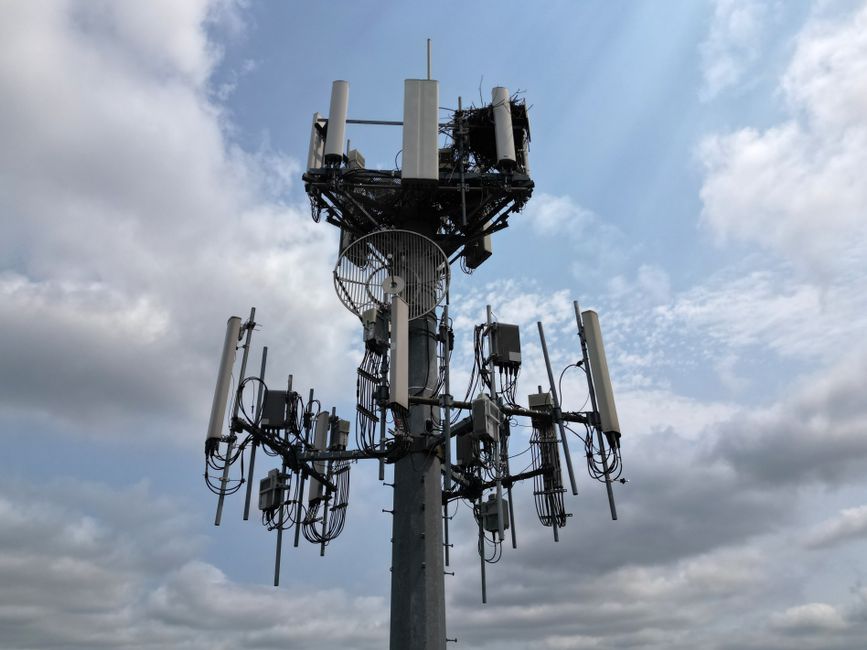
For Mobile Network Operators (MNOs), TowerCos, and fiber broadband providers, this component crisis translates into tangible risks for capital project timelines and operational expenditures.
- 5G Rollout Delays: The deployment of new 5G sites, especially in markets like India, Africa, and the GCC where rollouts are in high gear, is heavily dependent on timely delivery of Remote Radio Heads (RRHs), Baseband Units (BBUs), and associated power and backhaul equipment. Shortages of specific semiconductors (e.g., GaN power amplifiers, RF transceivers) or even passive components can halt production lines at OEMs like Ericsson, Nokia, Huawei, and their contract manufacturers, pushing back delivery schedules to operators.
- Fiber-to-the-Premises (FTTP) and Backhaul Expansion: The buildout of national fiber backbones and last-mile access networks requires a steady supply of optical line terminals (OLTs), optical network terminals (ONTs), splicing machines, and fiber cables themselves. Delays in the supply of PLC splitters, laser diodes, or integrated circuits for GPON chipsets can stall network activation, delaying revenue generation from new subscribers and increasing the carrying cost of unfinished network assets.
- Data Center Construction: The global data center construction boom, particularly in the MENA region as a hub for digital infrastructure, relies on uninterrupted delivery of switchgear, UPS systems, server racks, and cooling units. The reported shortages affecting companies like Blue Star directly threaten the timely commissioning of new data hall capacity, which in turn delays cloud service availability and colocation services for enterprises and hyperscalers.
- Spare Parts and Network Maintenance: Beyond new builds, operators maintain extensive inventories of spare parts for network maintenance and rapid repair. Extended lead times for critical spares—from a faulty power supply module in a cell site to a failed optical transceiver in a core router—increase Mean Time To Repair (MTTR), potentially degrading network reliability and service level agreements (SLAs).
Financially, operators face a double bind: the risk of delayed revenue from postponed network launches, coupled with the potential for higher equipment costs as OEMs pass on increased logistics and component procurement expenses.
Strategic Implications for Africa, MENA, and Global Telecom Supply Chains
The Gulf shipping crisis disproportionately affects telecom markets in Africa and the Middle East due to their geographic positioning and dependence on Asian manufacturing.
- African Network Rollouts at Risk: Many African nations are in the midst of ambitious national broadband plans and 4G/5G expansions. Projects like Nigeria’s National Broadband Plan 2025, Kenya’s Digital Economy Blueprint, and South Africa’s SA Connect rely on imported network equipment primarily shipped via sea routes through the Gulf. Delays could set back digital inclusion goals and widen the digital divide. Landlocked nations, which often receive equipment via ports in Kenya (Mombasa), Tanzania (Dar es Salaam), or South Africa, will feel the ripple effects most acutely.
- MENA’s Dual Role as Victim and Potential Beneficiary: While GCC nations like the UAE, Saudi Arabia, and Qatar are major importers of finished telecom gear and components for their own network builds, they also host growing local assembly and manufacturing facilities. This crisis may accelerate regional governments’ push for localized manufacturing and “Infrastructure as a Service” models to reduce supply chain dependence. It also underscores the strategic value of regional digital infrastructure hubs like Dubai’s Jebel Ali Port.
- Global Supply Chain Re-evaluation: This is not an isolated incident but follows the COVID-19 chip shortage and the Suez Canal blockage. It will force telecom operators and OEMs to fundamentally re-evaluate their supply chain resilience. Strategies will include:
- Increased Inventory Buffering: Moving from Just-in-Time (JIT) to “Just-in-Case” inventory models, holding larger stocks of critical components and finished goods, despite the increased capital lock-up.
- Dual/Diversified Sourcing: Actively qualifying and onboarding secondary suppliers for critical components, even at a cost premium, to mitigate single-point-of-failure risks.
- Nearshoring and Regionalization: Exploring manufacturing and assembly closer to end markets. This could benefit countries with established electronics ecosystems like India, Turkey, or Eastern Europe for the EMEA region.
- Enhanced Supply Chain Visibility: Investing in advanced supply chain management software and IoT tracking to gain real-time visibility into component shipments from sub-tier suppliers all the way to the factory floor.
Forward-Looking Analysis: Navigating a Prolonged Period of Volatility

The Gulf shipping crisis is unlikely to resolve quickly. Geopolitical tensions are persistent, and the restructuring of global shipping lanes is a slow process. The telecom industry must therefore brace for a prolonged period of supply chain volatility and elevated costs.
In the near term, operators should engage in proactive dialogue with their key equipment vendors to understand specific component exposure and obtain revised delivery timelines. Contingency planning for network rollout schedules is essential. Regulators in affected regions may need to show flexibility on rollout obligations tied to spectrum licenses, recognizing these external shocks.
Longer-term, this crisis will accelerate several key industry trends: the adoption of Open RAN and disaggregated networks (which could potentially diversify the supplier base), the push for software-defined networking to abstract hardware dependencies, and increased investment in supply chain cybersecurity to protect against further disruption. Ultimately, the resilience of the telecom network—the backbone of the digital economy—is only as strong as the resilience of the physical supply chains that build and maintain it. This episode is a stark reminder that geopolitics and global logistics are now core considerations for every telecom CTO and Chief Supply Chain Officer.