Royal Mint Gold Recovery from E-Waste Signals New Circular Economy Model for Telecom
📰Original Source: ETTelecomRoyal Mint Gold Recovery from E-Waste Signals New Circular Economy Model for Telecom Source: ETTelecom | Reported: August 4, 2026 Britain’s Royal Mint has launched a pioneering, sustainable method to recover high-purity gold from electronic waste (e-waste), specifically targeting printed circuit boards (PCBs)…
Royal Mint Gold Recovery from E-Waste Signals New Circular Economy Model for Telecom
Source: ETTelecom | Reported: August 4, 2026
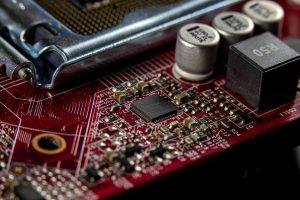
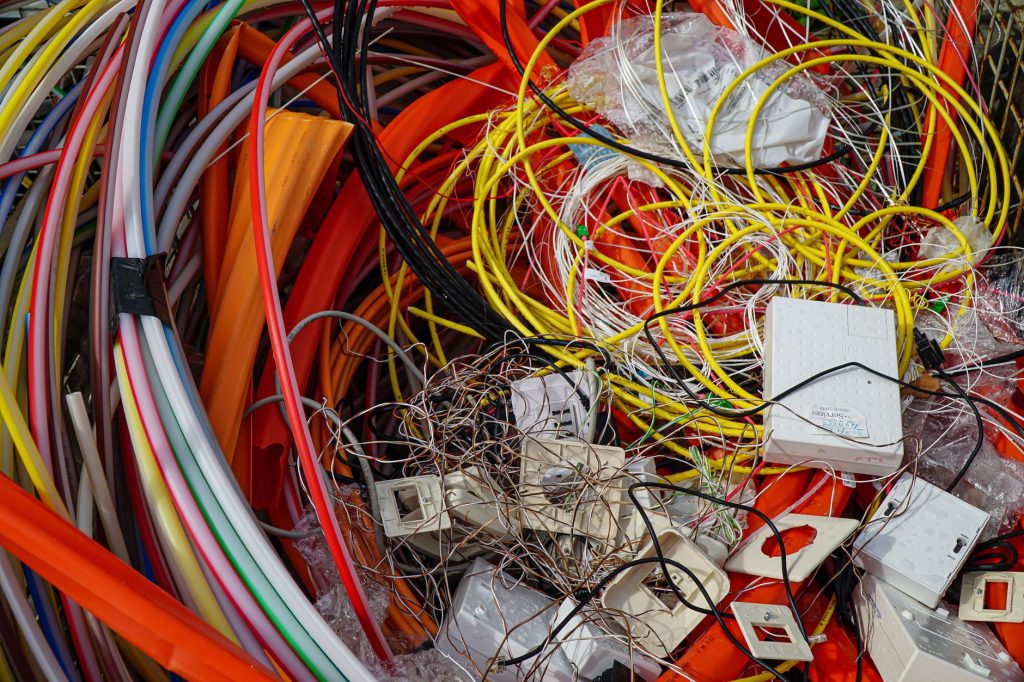
Britain’s Royal Mint has launched a pioneering, sustainable method to recover high-purity gold from electronic waste (e-waste), specifically targeting printed circuit boards (PCBs) from discarded mobile phones, routers, and other telecoms hardware. This initiative, leveraging proprietary chemistry developed in partnership with Canadian clean tech firm Excir, establishes a new industrial-scale model for urban mining that directly impacts the telecom industry’s sustainability and supply chain strategies. For network operators and equipment manufacturers, the move validates a critical path to secure, localized sourcing of precious metals amid volatile global markets and stringent ESG reporting requirements.
A Technical Deep Dive: The Chemistry of Urban Mining for Telecom Metals

The Royal Mint’s process, operating at its site in Llantrisant, South Wales, departs radically from traditional, environmentally damaging e-waste recycling that often involves smelting or harsh acid baths. The core innovation is a selective, room-temperature chemical solution that targets and dissolves gold from the surface of shredded PCB material, leaving other base metals intact. This method boasts a recovery rate exceeding 99% for gold, which is then refined to 999.9 purity—the standard for investment-grade bullion and high-end electronic components.
From a telecom infrastructure perspective, the feedstock is significant. A typical metric tonne of mobile phone PCBs can contain between 300 to 350 grams of gold, compared to just 5 grams per tonne of high-grade gold ore mined traditionally. The process also recovers other valuable metals critical to telecoms, including silver, palladium, and copper. The facility’s initial capacity is designed to process hundreds of tonnes of e-waste annually, with a clear roadmap for expansion. This represents a tangible, scalable solution for the estimated 50 million tonnes of global e-waste generated yearly, of which telecom and IT equipment constitutes a major portion.
Industry Impact: Reshaping Operator ESG, Supply Chains, and Network Decommissioning

For Mobile Network Operators (MNOs), tower companies, and equipment vendors, the commercialisation of such technology has immediate and long-term implications:
- ESG & Regulatory Compliance: Operators facing stringent EU Corporate Sustainability Reporting Directive (CSRD) and Scope 3 emissions targets now have a verifiable, high-profile partner for responsible end-of-life equipment processing. This moves beyond simple recycling to “high-value recovery,” a key differentiator in sustainability reporting.
- Decommissioning Economics: The shift from 4G to 5G, and eventual 6G rollouts, involves massive network hardware refresh cycles. Previously, decommissioned baseband units, RRUs, and legacy switches had minimal residual value. A formalized gold recovery stream creates a potential revenue line or cost offset for network upgrade projects.
- Supply Chain Security & Cost: Gold is a critical conductor in high-reliability network components. Sourcing from a domestic, ethical recovery process mitigates risks associated with geopolitical instability in mining regions and reduces exposure to commodity price swings. For OEMs like Ericsson, Nokia, and Huawei, integrating recovered gold into new components could satisfy growing demands for circular product design.
- Waste Management Partnerships: Operators and large-scale data center providers will likely seek direct partnerships with certified processors like the Royal Mint’s operation, creating a new vertical in telecom infrastructure services focused on reverse logistics and material recovery.
Regional Implications: A Blueprint for Africa and MENA’s E-Waste Challenge

The Royal Mint’s model is particularly relevant for the African and MENA telecom markets, which are grappling with dual challenges: rapid mobile adoption generating vast e-waste, and a reliance on imported, virgin materials for network builds.
In Africa, home to some of the world’s largest informal e-waste dumps like Agbogbloshie in Ghana, the health and environmental costs of crude recycling are immense. A scaled, formalized recovery technology offers a pathway to transform this environmental liability into an economic asset. Regional telecom leaders such as MTN, Safaricom, and Vodacom could champion localized recovery facilities as part of their sustainability charters, creating jobs and reducing the environmental footprint of their operations while securing a domestic source of precious metals.
For the MENA region, where nations like Saudi Arabia and the UAE are investing heavily in high-tech infrastructure and circular economy goals under Vision 2030 and similar frameworks, establishing sovereign e-waste refining capabilities aligns with economic diversification strategies. It reduces dependency on imported gold for local jewelry and electronics markets while providing a sustainable disposal solution for the region’s own growing tech waste.
Forward Look: Integrating Circular Economics into Network Infrastructure Strategy

The Royal Mint’s venture is more than a niche sustainability story; it is a bellwether for the industrialisation of the circular economy within telecom. We anticipate several developments over the next 3-5 years:
- Standardization of Recovered Content: Industry bodies like the GSMA may develop certifications for “network-grade recovered gold,” creating a trusted market for recycled materials in new equipment.
- Asset-Backed Financing Models: The demonstrable residual value of network hardware could influence leasing models and total cost of ownership calculations, with recovery value factored into the asset’s lifecycle.
- Technology Proliferation: The success of the Excir chemistry will spur R&D into similar processes for other critical telecom metals like tantalum (from capacitors) and rare earth elements (from magnets in fiber optic amplifiers and antennas).
- Regulatory Push: Governments may introduce extended producer responsibility (EPR) schemes mandating high-value material recovery, making partnerships with entities like the Royal Mint a compliance necessity, not just an ESG choice.
The telecom industry’s foundation is built on precious and rare materials. The Royal Mint’s successful pivot from coinage to urban mining demonstrates that the future of network resilience and sustainability may depend not just on digging new mines, but on efficiently and cleanly mining the vast, growing resource of our own discarded technology.