SK Hynix Surpasses Samsung in Market Cap, Fueled by HBM Dominance for AI Infrastructure
📰Original Source: ETTelecomSK Hynix Surpasses Samsung in Market Cap, Fueled by HBM Dominance for AI Infrastructure Source: ETTelecom, June 24, 2026 SK Hynix has eclipsed Samsung Electronics to become South Korea’s most valuable company, with its market capitalization reaching approximately $207 billion as of late…
SK Hynix Surpasses Samsung in Market Cap, Fueled by HBM Dominance for AI Infrastructure
Source: ETTelecom, June 24, 2026
SK Hynix has eclipsed Samsung Electronics to become South Korea’s most valuable company, with its market capitalization reaching approximately $207 billion as of late June 2026, compared to Samsung’s $202 billion. This landmark shift, reported by ETTelecom, is a direct result of the semiconductor manufacturer’s strategic bet on High-Bandwidth Memory (HBM), a critical component now indispensable for training and running large-scale artificial intelligence models. For telecom network operators and infrastructure providers, this transition signifies more than a corporate ranking; it underscores a fundamental hardware bottleneck shaping the economics and rollout of AI-driven network functions, from RAN Intelligent Controllers (RIC) and Open RAN to AI-optimized data centers and edge compute platforms. The race for HBM supply is now a critical path item for the entire telecom technology stack.
The Technical Edge: How HBM Enables Next-Gen Telecom AI
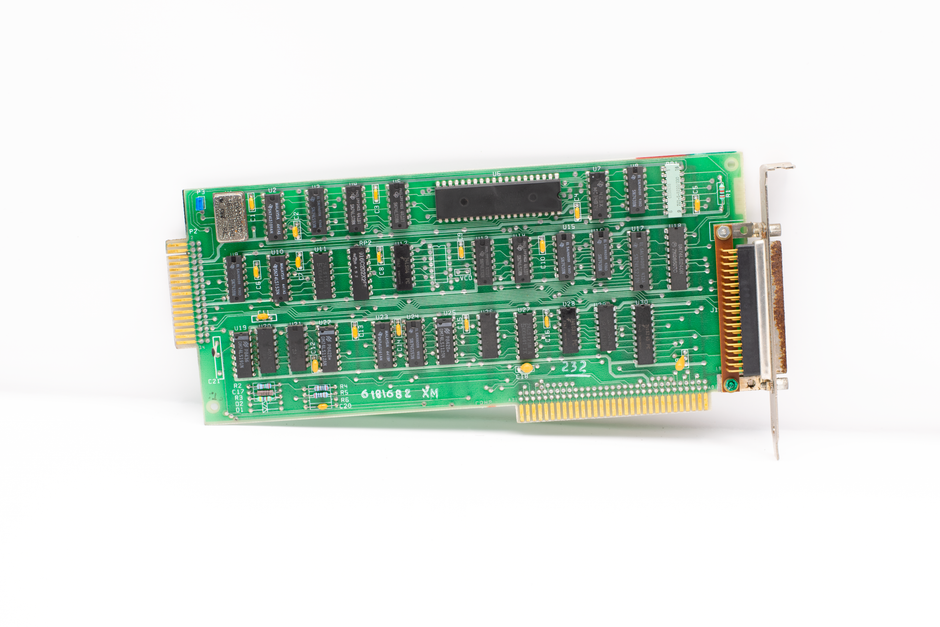
High-Bandwidth Memory is not merely a faster version of conventional DRAM. It is a vertically stacked, 3D-integrated memory solution connected to a processor (GPU or ASIC) via a silicon interposer and through-silicon vias (TSVs). This architecture provides exponentially higher data transfer rates and bandwidth while consuming significantly less power per bit—a crucial factor for energy-intensive telecom data centers and edge sites.
SK Hynix’s current lead stems from its mass production of HBM3 and HBM3E, the latest standards. HBM3E offers bandwidth exceeding 1.2 TB/s per stack, dwarfing the capabilities of traditional GDDR6 memory used in previous generations. For telecom applications, this translates to:
- Real-Time Network Optimization: AI/ML models for predictive maintenance, traffic steering, and anomaly detection in 5G Core and RAN require rapid processing of massive, real-time data streams. HBM’s bandwidth is essential for low-latency inference.
- vRAN and Open RAN Acceleration: Distributed Unit (DU) and Centralized Unit (CU) workloads, especially those leveraging GPU-based acceleration for Layer 1 processing, are heavily memory-bound. HBM enables the high-throughput, low-power operation necessary for cost-effective, software-defined networks.
- AI Training for Telecom: Training models on network performance data, customer behavior, and security threats is a computationally intensive task typically performed in core data centers. HBM-equipped NVIDIA H100, B100, and AMD MI300X accelerators, for which SK Hynix is a primary supplier, drastically reduce training times and energy consumption.
SK Hynix’s reported 50-60% share of the HBM market for NVIDIA’s latest GPUs gives it a de facto stranglehold on the hardware enabling the industry’s AI transformation. Samsung and Micron are racing to catch up with their own HBM3E products, but yield and quality issues have reportedly delayed volume production, cementing SK Hynix’s near-term advantage.
Industry Impact: Supply Chain Risks and Strategic Partnerships for Operators

The concentration of HBM supply has profound implications for telecom equipment manufacturers (Nokia, Ericsson, Samsung Networks), cloud providers (AWS, Google, Microsoft Azure), and hyperscalers building AI-ready infrastructure. The scarcity and allocation of HBM chips directly influence the availability and cost of advanced networking equipment.
Key impacts include:
- Extended Lead Times and Premium Pricing: AI server orders from cloud and telecom operators now face lead times of several months, primarily due to HBM and advanced GPU shortages. This bottlenecks the deployment of AI-enhanced network services and private 5G solutions.
- Vertical Integration Pressures: Major cloud providers (e.g., Google’s TPU, AWS’s Trainium/Inferentia) are designing their own AI ASICs, but many still rely on external HBM supply. This dynamic is pushing companies like Samsung to fast-track its HBM roadmap to secure its own network and device businesses.
- Strategic Procurement Shifts: Telecom operators procuring AI-powered network software from vendors like Mavenir, Rakuten Symphony, or even Ericsson’s (with its in-house Silicon) must now evaluate their suppliers’ underlying hardware resilience and HBM sourcing strategies. Vendor selection may increasingly hinge on guaranteed access to advanced silicon.
- Rising Capex for AI-Native Networks: The premium for HBM-equipped hardware will flow through to network operators’ capital expenditures. This makes the business case for AI-driven operational efficiencies (OpEx savings) even more critical to justify the investment.
The situation creates a bifurcated market: operators and vendors with early, secured access to HBM-powered platforms gain a competitive edge in launching intelligent network services, while others face delays and higher costs.
Regional and Strategic Implications: Global Telecom Arms Race

The SK Hynix-Samsung dynamic plays out within the broader context of US-China tech competition and global semiconductor sovereignty. For regions like Africa and the Middle East, where telecom operators are increasingly partnering with hyperscalers for cloud-native networks, the HBM supply chain adds a layer of geopolitical complexity.
- US CHIPS Act and Alliances: SK Hynix is investing heavily in new packaging facilities in the US, aligning with the CHIPS Act’s goals. This could benefit US-based telecom tech firms and operators by creating a more resilient, allied supply chain for critical AI infrastructure components.
- China’s Push for Self-Sufficiency: Chinese firms like YMTC and CXMT are attempting to develop HBM-like technologies, but they lag significantly behind. Chinese telecom giants (Huawei, ZTE) and cloud providers (Alibaba, Tencent) may face constraints in accessing cutting-edge HBM, potentially slowing their global rollout of AI-enhanced network solutions and affecting their competitiveness in markets like Africa, where they have a strong presence.
- Opportunity for Diversification: The bottleneck presents an opportunity for other memory makers. Micron’s HBM3E (branded as Micron HB) is gaining design wins and could become a crucial second source for the industry, benefiting operators seeking diversified supply.
- Impact on Edge Compute: The power efficiency of HBM is vital for bringing AI inference to the network edge (e.g., at cell sites or central offices). Limited HBM supply could constrain the development of compact, powerful edge servers needed for latency-sensitive applications like autonomous vehicles or industrial IoT.
Forward-Looking Analysis: The Telecom Sector’s Hardware-Led Future

The ascent of SK Hynix is a clear market signal: the future of telecom is inextricably linked to advancements in specialized silicon. The industry’s shift from general-purpose compute to accelerated, AI-native infrastructure makes components like HBM, GPUs, and NPUs as strategically important as spectrum or fiber.
Looking ahead, telecom operators and infrastructure investors must monitor several developments:
- HBM4 and Beyond: The next-generation HBM4 standard, targeting over 1.5 TB/s bandwidth, is already in development. Early engagement with vendors on roadmap alignment will be crucial.
- Alternative Architectures: Research into Compute Express Link (CXL) memory pooling and other disaggregated memory approaches may eventually alleviate some pressure, but these are longer-term solutions.
- Investment in AI Skills: Beyond hardware, operators must accelerate their investment in data science and ML engineering talent to fully leverage the capabilities of HBM-powered infrastructure.
- Sustainability Concerns: While HBM is more power-efficient per operation, the overall energy draw of AI data centers is soaring. Operators must balance performance gains with ESG commitments, making energy efficiency a key metric in hardware procurement.
In conclusion, SK Hynix’s market cap victory is not just a financial headline; it is a direct reflection of the semiconductor supply chain’s pivotal role in enabling the intelligent, autonomous networks of the future. For telecom executives, the message is unequivocal: strategic planning must now extend deep into the silicon layer, where decisions made today will determine network capability and competitiveness for years to come.