AI and Hyperscale Demand for Memory Chips to Squeeze Telecom Device Supply Chains

In a clear signal of the growing tension between consumer electronics and enterprise infrastructure markets, Currys PLC, the UK’s largest consumer electronics retailer, has warned that a global memory chip shortage will drive up prices for smartphones, laptops, and other devices in the latter half of 2026. Speaking to Reuters, Currys CEO Alex Baldock attributed the impending price increases directly to soaring demand from artificial intelligence (AI) and data center sectors, which are consuming a disproportionate share of semiconductor manufacturing capacity. For telecom operators, this warning from a major retail channel partner underscores a critical challenge: securing affordable, high-performance network equipment and end-user devices in a market increasingly dominated by the capital expenditure of hyperscale cloud providers. The chip shortage is not a temporary blip but a structural shift with significant implications for network rollout costs, device subsidies, and subscriber acquisition strategies across the EMEA region and globally.
Technical and Market Deep Dive: The Shift from NAND and DRAM to HBM for AI

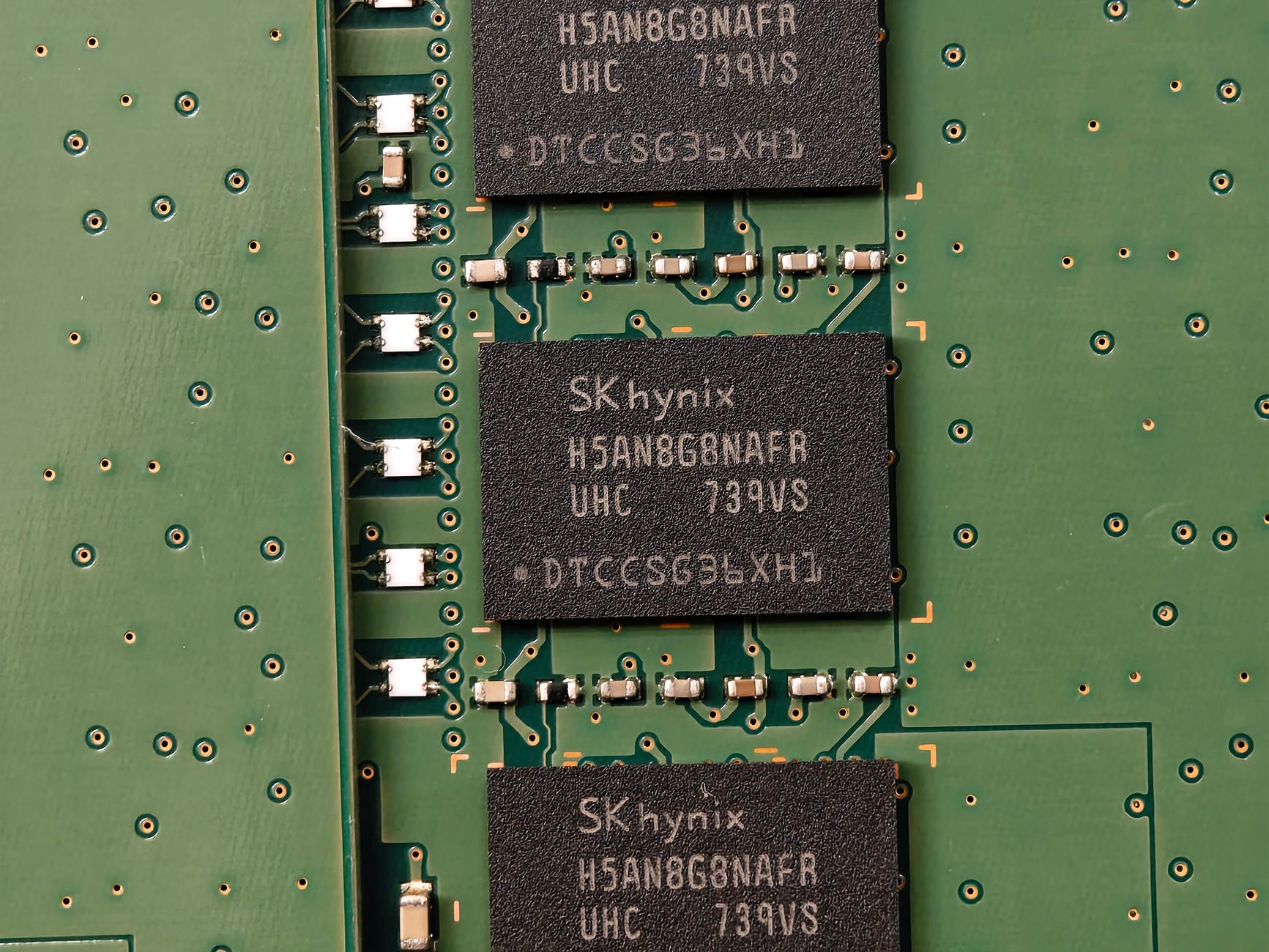
The core of the shortage lies in the specific types of memory semiconductors: Dynamic Random-Access Memory (DRAM) and NAND flash. While these are staples in smartphones, laptops, and networking gear like routers and switches, their production is being cannibalized by the explosive demand for High Bandwidth Memory (HBM). HBM is a critical, advanced form of DRAM stacked vertically and connected via silicon vias (TSVs), providing the immense bandwidth required for AI training and inference workloads in data center GPUs from NVIDIA, AMD, and others. According to industry analysis from TrendForce, the allocation of wafer capacity for standard DRAM is being reduced as foundries and memory manufacturers like Samsung, SK Hynix, and Micron pivot to higher-margin HBM production. This reallocation is creating a supply crunch for commodity DRAM and NAND, with spot market prices for certain chips already rising by 15-20% in Q2 2026. For telecom, this translates directly to higher bill-of-materials (BOM) costs for 5G smartphones, customer-premises equipment (CPE) for FWA, and core network hardware reliant on these memory components.
Industry Impact: Network Operators Face a Dual Squeeze on Capex and Device Economics
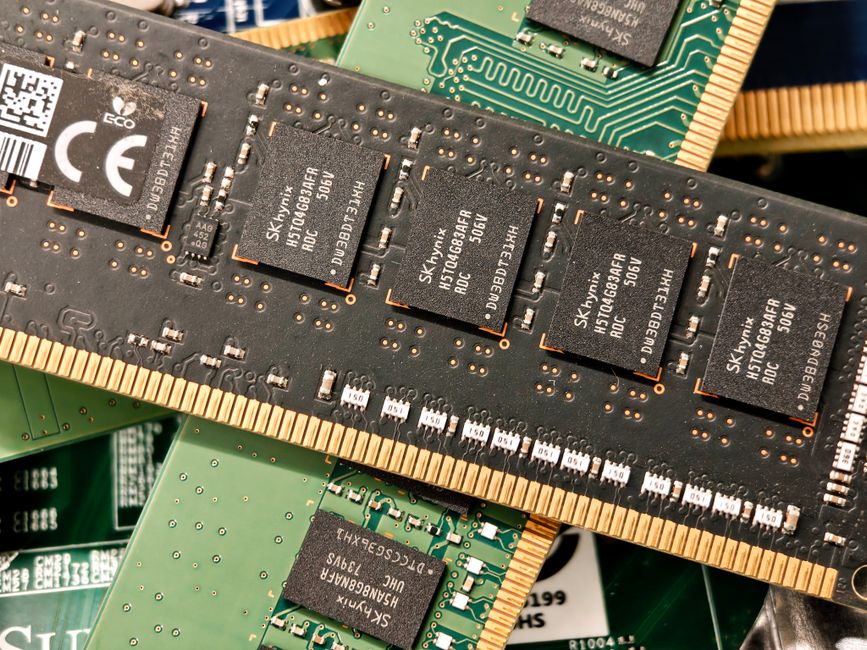
The memory chip shortage presents a dual threat to mobile network operators (MNOs) and telecom infrastructure providers. First, it increases the capital expenditure (Capex) required for network buildouts. Core and edge servers, routers, and switches from vendors like Cisco, Nokia, and Ericsson all depend on DRAM and NAND. As equipment vendors face rising input costs, they will inevitably pass a portion onto operators, straining already tight network modernization budgets. Second, and more acutely for consumer-facing MNOs, is the impact on device economics. Smartphones are the primary vehicle for subscriber acquisition and retention. A sustained 5-10% increase in wholesale smartphone prices, as forecast by analysts following Currys’ warning, would severely pressure operator margins on subsidized device plans. Operators may be forced to reduce subsidies, lengthen device contract terms, or push lower-tier devices, potentially slowing the adoption of advanced 5G features and impacting average revenue per user (ARPU). Furthermore, the rollout of Fixed Wireless Access (FWA) services, a key 5G monetization strategy, could be hampered by increased costs for CPE units.
Strategic Implications for Africa and Emerging Markets: A Threat to Digital Inclusion
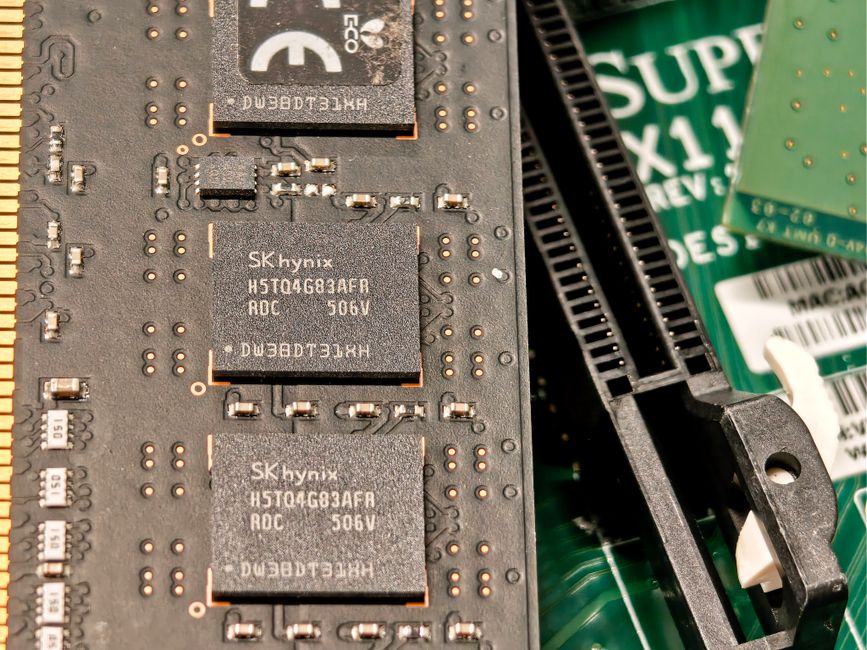
The ripple effects of this supply chain constraint will be felt most severely in price-sensitive emerging markets, including Africa and parts of the MENA region. Telecom operators in these markets operate on thinner margins and rely heavily on affordable smartphone penetration to drive data revenue growth. A structural increase in the cost of entry-level and mid-range 4G/5G devices could stall digital inclusion initiatives and slow the migration of users from feature phones to smartphones. This creates a strategic dilemma for regulators and operators: absorb higher costs to maintain growth trajectories or risk stagnating subscriber upgrades. The situation may accelerate local assembly initiatives, but these are still dependent on imported semiconductors. It also increases the strategic value of partnerships with device manufacturers and chipmakers to secure allocation. For African operators like MTN, Safaricom, and Orange, navigating this shortage will require sophisticated supply chain management and potentially a renewed focus on alternative revenue streams like mobile money and enterprise services to offset pressure from the device side of the business.
Forward-Looking Analysis: Navigating a New Era of Semiconductor Scarcity
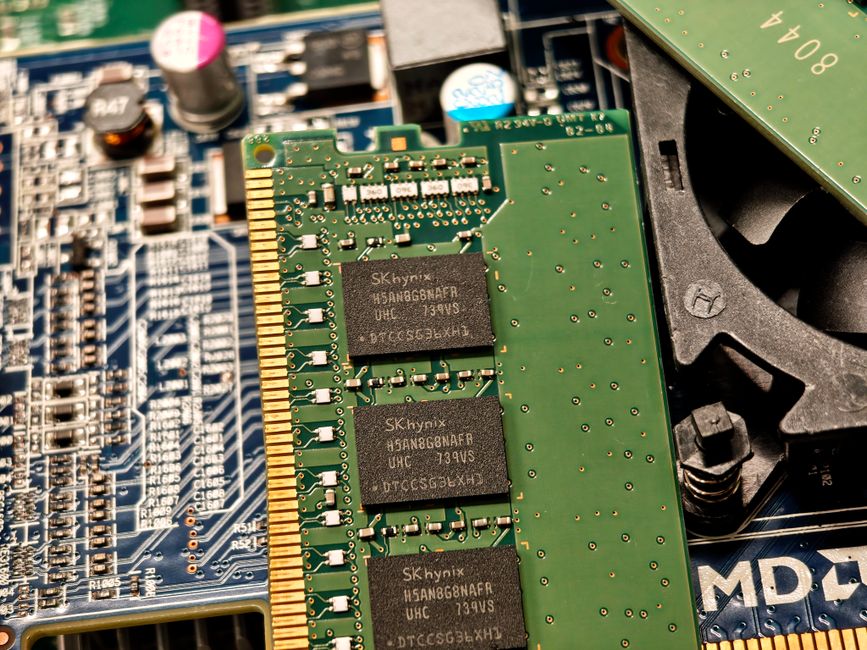
The warning from Currys is a leading indicator of a protracted period of semiconductor allocation favoring AI infrastructure over consumer and mainstream telecom hardware. Telecom operators must adapt their strategic planning for the next 18-24 months. This includes locking in longer-term supply agreements with equipment vendors, diversifying supplier bases where possible, and investing in network software and virtualization to improve efficiency from existing hardware. The shortage may also accelerate the adoption of Open RAN architectures, which could offer more flexibility in hardware sourcing, though they are not immune to the chip shortage. On the consumer side, operators will need to refine device financing models and consider partnerships with refurbished device markets to maintain affordability. Ultimately, the memory chip shortage underscores the telecom industry’s deepening entanglement with the economics of the hyperscale cloud and AI sector. Operators that can navigate this scarcity, manage costs, and articulate the value of connectivity beyond mere device sales will be best positioned to weather this supply chain storm.
About the Author