SK Hynix’s $26.5B Capital Raise Reshapes Telecom Infrastructure Supply Chain
📰Original Source: ETTelecomSK Hynix Inc. (KRX: 000660), the world’s second-largest DRAM supplier, has secured a monumental $26.5 billion in a US stock offering, a capital influx that will directly accelerate the production of high-bandwidth memory (HBM) critical for next-generation AI data centers and 5G-Advanced/6G telecom…
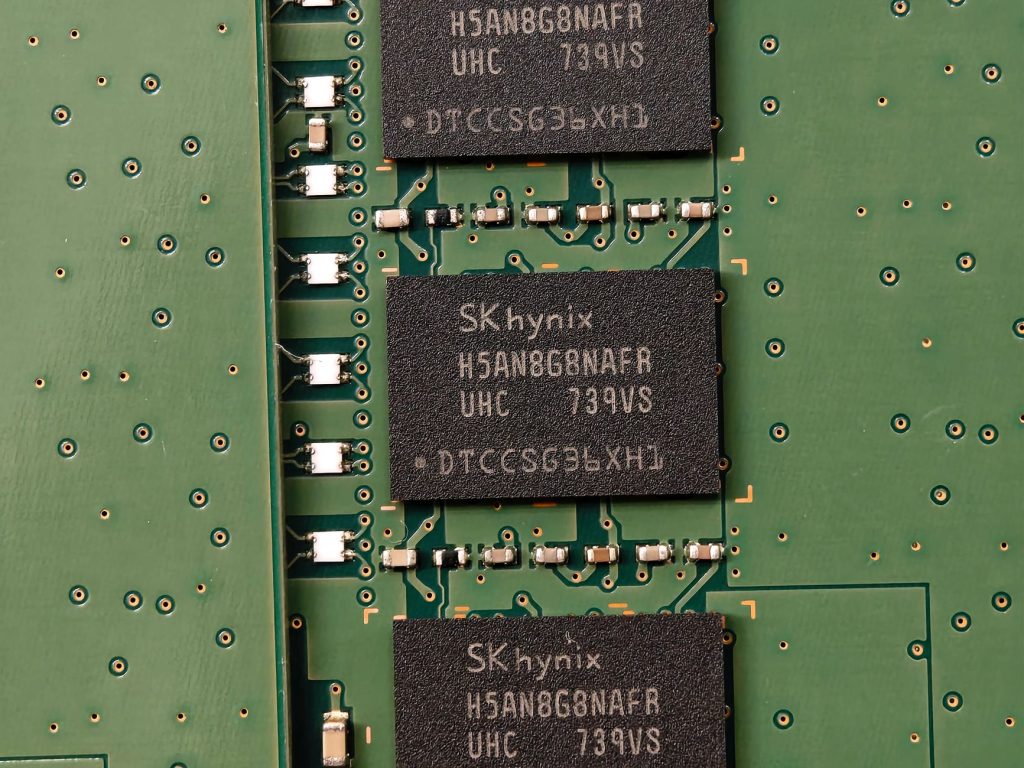
SK Hynix Inc. (KRX: 000660), the world’s second-largest DRAM supplier, has secured a monumental $26.5 billion in a US stock offering, a capital influx that will directly accelerate the production of high-bandwidth memory (HBM) critical for next-generation AI data centers and 5G-Advanced/6G telecom network infrastructure, according to an analysis published by ETTelecom. This strategic raise, driven by soaring demand from clients like NVIDIA, places the South Korean semiconductor giant at the epicenter of a global scramble for advanced memory components, forcing telecom operators and network equipment manufacturers (NEMs) to reassess supply chain strategies and long-term infrastructure roadmaps.
Technical Deep Dive: HBM’s Role in Telecom’s AI-Driven Future

The $26.5 billion capital injection is not for generic memory; it is targeted funding for the expansion of HBM3 and HBM3E production lines. HBM is a vertically stacked memory technology that offers exponentially higher bandwidth and lower power consumption compared to traditional DDR memory. For the telecom sector, this has profound implications. The evolution from 5G standalone (SA) cores to AI-native 6G networks, the deployment of massive MIMO and Open RAN virtualized radio units (vRUs), and the processing demands of real-time network slicing all require immense, low-latency memory bandwidth.
Network function virtualization (NFV) and cloud-native network functions (CNFs) running on commercial off-the-shelf (COTS) servers are memory-intensive. AI-driven network optimization, predictive maintenance, and security threat detection models, increasingly deployed at the edge, rely on GPU accelerators that are themselves dependent on HBM. SK Hynix’s reported position as the “sole supplier” of HBM3 for NVIDIA’s current-generation H100 and upcoming B100 GPUs gives it unprecedented leverage in the infrastructure food chain. This capital raise enables the company to scale production to meet not just cloud AI demand but also the burgeoning needs of telecom operators building AI-powered network operations centers (NOCs) and intelligent edge data centers.
The technical race is fierce. Competitor Samsung Electronics is aggressively developing its own HBM3E and HBM4 stacks, while Micron Technology is a key player in the market. SK Hynix’s ability to translate this $26.5 billion into yield improvements, advanced packaging capacity (like TSMC’s CoWoS), and next-generation product development will determine the availability and cost of critical components for Ericsson, Nokia, Huawei, and the server vendors (Dell, HPE, Supermicro) that underpin modern telecom cloud infrastructure.
Industry Impact: Supply Chain Pressures and Strategic Realignments
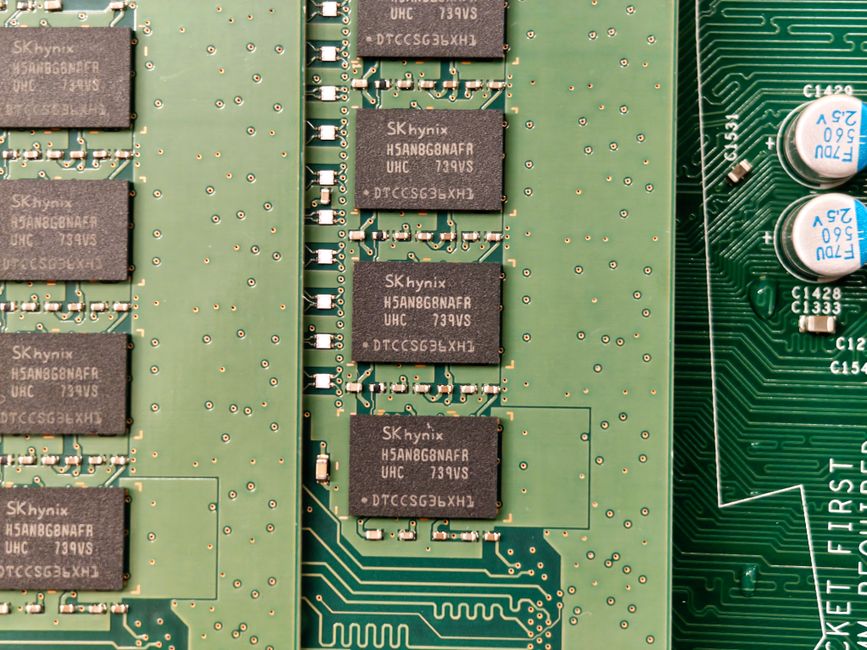
For telecom operators (OpCos) and NEMs, SK Hynix’s fortified position creates a dual dynamic of risk and opportunity. The immediate impact is on supply chain stability and cost. With HBM supply constrained and dominated by a few players, procurement teams for major telcos and their infrastructure partners face longer lead times and potential price volatility for high-end servers and accelerator cards. This could delay rollouts of capacity upgrades or new AI-based service platforms.
Conversely, the capital raise signals a long-term commitment to scaling advanced memory production, which is essential for the industry’s roadmap. Operators planning extensive edge computing deployments or large-scale 5G core upgrades can have greater confidence in the underlying hardware ecosystem’s ability to support their plans by 2027-2028. However, it also forces a strategic realignment: telecom players must deepen partnerships with semiconductor suppliers and server OEMs to secure allocation. We may see more direct engagement, similar to how cloud hyperscalers work directly with chipmakers, as telcos seek to guarantee supply for their critical national infrastructure projects.
Furthermore, the investor pressure on SK Hynix—to balance massive profits from the current AI boom with the capital-intensive need for expansion—mirrors the challenge in telecom. Shareholders want returns, but building future-proof networks (like 5G-Advanced and 6G) requires heavy, continuous investment. The semiconductor supply chain’s cyclicality and concentration risk underscore the need for telecom regulators and operators to support geographic and supplier diversification in critical infrastructure components, a lesson highlighted by recent geopolitical tensions.
Global and Regional Implications: Africa, MENA, and the Infrastructure Divide
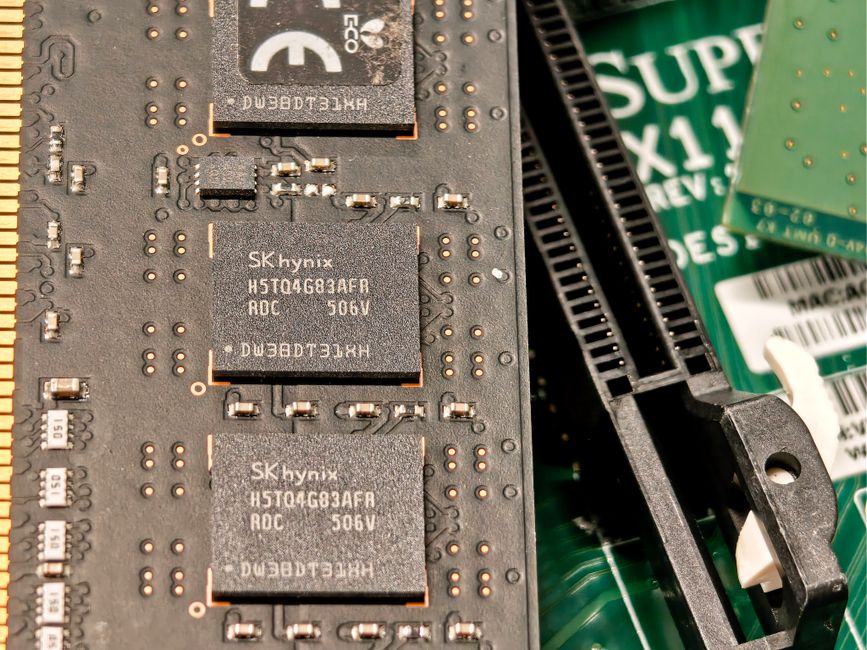
The ramifications of advanced memory supply dynamics extend directly to network rollouts in growth markets like Africa and the Middle East and North Africa (MENA). As these regions leapfrog to 5G SA and invest in national data center and cloud regions, they are competing for the same constrained supply of high-performance IT infrastructure. A delay or price increase in HBM-equipped servers could slow the deployment of carrier-neutral internet exchange points (IXPs), hyperscale cloud on-ramps, and modernized mobile core networks in regions like West Africa or the Gulf.
For African telecom operators, whose margins are often thinner and whose capex is frequently funded through vendor financing or multilateral loans, a spike in global hardware costs presents a tangible hurdle. It could widen the digital infrastructure divide, as operators in developed markets with stronger balance sheets secure priority allocation. This makes local partnerships, such as the collaboration between MTN and AT&T for network AI, or the use of open-source, software-defined infrastructure that can run on a broader range of hardware, even more strategically vital.
In the MENA region, where nations like Saudi Arabia (via STC Group), the UAE (du, Etisalat by e&), and Qatar (Ooredoo) are pursuing aggressive digital transformation and giga-project visions, securing a reliable pipeline of advanced computing hardware is a national strategic priority. These operators may need to leverage their sovereign wealth connections to engage directly with memory suppliers or invest in localized assembly and testing facilities to de-risk their supply chains. The SK Hynix capital raise is a reminder that the physical layer of silicon remains the foundation upon which all digital economies are built.
Forward-Looking Analysis: Telecom’s Silicon-Constrained Future
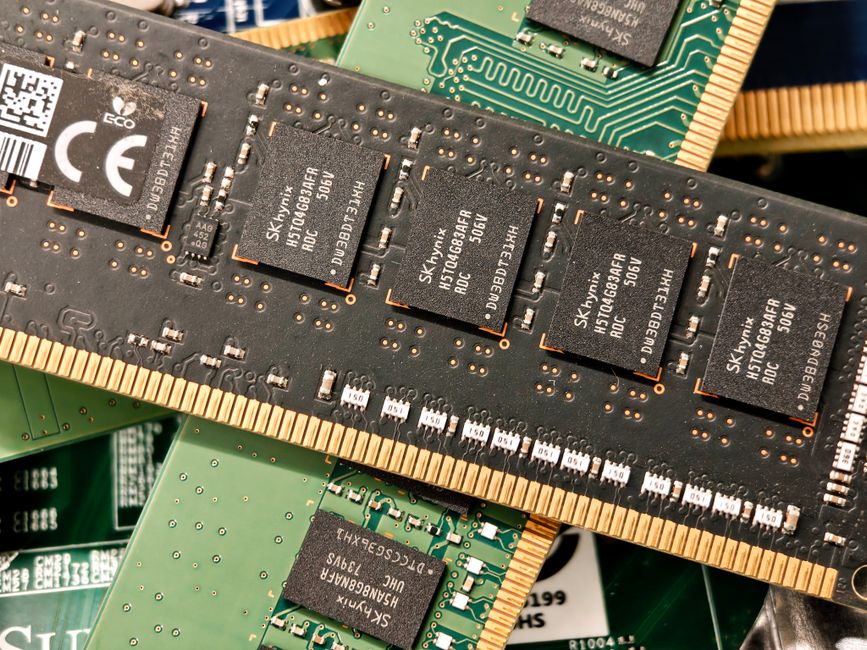
SK Hynix’s $26.5 billion move is a bellwether for the telecom infrastructure sector. It confirms that the industry’s future—defined by AI, virtualization, and extreme low latency—is inextricably linked to advancements in specialized semiconductor technology. The era of treating compute and memory as generic commodities is over. Network architects must now design with silicon availability in mind.
Looking ahead, we anticipate several trends: increased vertical integration efforts by large operators and NEMs to secure chip supply; greater investment in alternative architectures like CXL (Compute Express Link) that might reduce absolute HBM dependency; and intensified geopolitical maneuvering as the US, EU, China, and South Korea vie for leadership in advanced memory manufacturing. For the global telecom community, the lesson is clear. Building resilient, intelligent networks requires not just spectrum and fiber, but a sophisticated, proactive strategy for engaging with the semiconductor ecosystem that powers it all. SK Hynix’s golden eggs are now a critical ingredient in the recipe for next-generation connectivity.