Kioxia Capitalizes on AI NAND Demand, Reshaping Telecom Infrastructure Memory Supply
📰Original Source: ETTelecom Kioxia Capitalizes on AI NAND Demand, Reshaping Telecom Infrastructure Memory Supply Source: ETTelecom, July 15, 2026. Original reporting by Katie Forster. Japanese memory chipmaker Kioxia is aggressively positioning itself to capture a dominant share of the burgeoning demand for high-performance NAND flash…

Source: ETTelecom, July 15, 2026. Original reporting by Katie Forster.
Japanese memory chipmaker Kioxia is aggressively positioning itself to capture a dominant share of the burgeoning demand for high-performance NAND flash memory, a critical component being driven by artificial intelligence workloads in data centers and telecom infrastructure. According to a report from ETTelecom, Kioxia is leveraging its technological edge in high-density, high-endurance storage to move beyond traditional consumer electronics markets and into the core of next-generation network architecture. This strategic pivot, centered on AI-driven demand, signals a significant shift in the semiconductor supply chain with direct implications for telecom operators, hyperscalers, and equipment vendors globally who are building out AI-ready networks.
The Technical Shift: From Consumer SSDs to AI Infrastructure NAND

Kioxia’s core opportunity lies in the evolving architecture of AI data centers and edge compute nodes, which are placing unprecedented demands on storage subsystems. While AI training famously relies on high-bandwidth memory (HBM) and GPUs, the inference phase and massive AI datasets require fast, durable, and high-capacity storage—a perfect fit for advanced NAND flash. Kioxia is focusing on several key technical vectors to meet this demand.
First is the transition to higher layer-count 3D NAND. The company is ramping production of its BiCS FLASH technology, now exceeding 200+ layers, which provides greater density, lower cost per bit, and improved performance. This is essential for the petabyte-scale storage arrays in AI training clusters. Second, Kioxia is emphasizing enterprise-grade solid-state drives (SSDs) with enhanced qualities of service (QoS), featuring higher terabytes written (TBW) endurance and consistent low latency. Telecom edge servers handling real-time AI inference for network optimization, security, or customer experience management cannot tolerate storage bottlenecks.
Third, and most critically for telecom, is the integration of NAND within computational storage and smartNIC architectures. Kioxia is developing solutions that allow storage to perform preprocessing of data, reducing the load on central CPUs and GPUs. For telecom operators managing vast streams of network telemetry and user plane data, this can dramatically improve the efficiency of AI-driven analytics for predictive maintenance, fraud detection, and traffic engineering. The “ignored sector” referenced in the source material is precisely this high-value, infrastructure-grade NAND market, which is now commanding premium pricing and strategic partnerships over volume-driven consumer flash.
Industry Impact: Supply Chain Dynamics and Operator Strategy
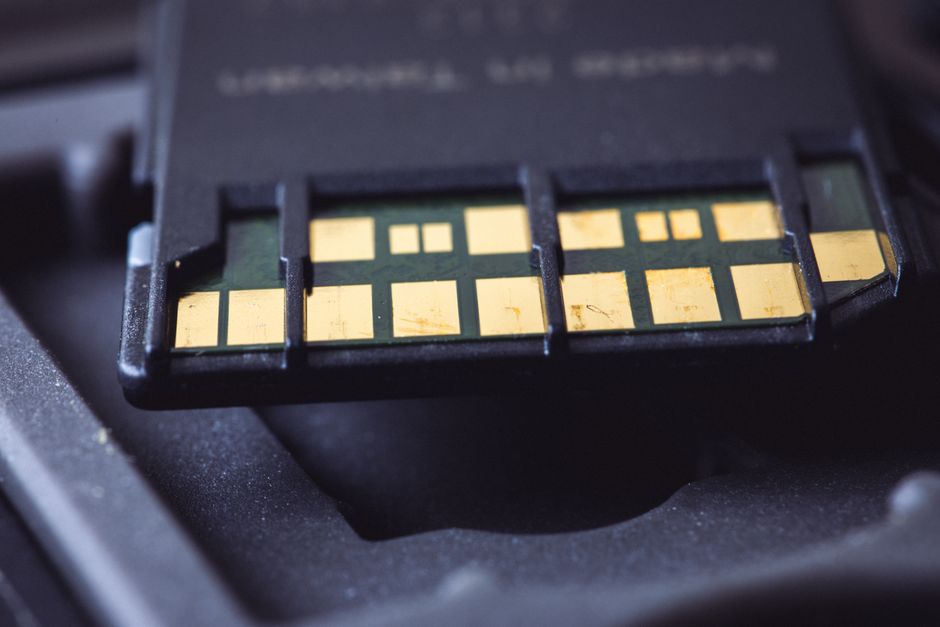
The resurgence of Kioxia as a major force in infrastructure NAND has profound implications for the telecom industry’s supply chain and strategic planning. The market has long been dominated by a triopoly of Samsung, SK hynix, and Micron/Western Digital. Kioxia’s aggressive push, supported by significant investment from the Japanese government (reportedly up to 150 billion yen), introduces a vital fourth source, enhancing supply security for network builders.
For telecom operators and their infrastructure partners like Nokia, Ericsson, and Huawei, this diversification mitigates risk. The AI boom has already caused allocation shortages and price volatility for premium memory. A robust Kioxia supply line provides negotiating leverage and alternative sourcing for critical components in core routers, edge servers, and cloud RAN (Radio Access Network) hardware. Operators deploying large-scale AI for network operations centers (NOCs) or offering AI-as-a-Service to enterprises must ensure their hardware vendors have secure, multi-source memory supply contracts.
Furthermore, Kioxia’s strategy involves deepening ties with foundries and logic chipmakers. The report notes the company’s collaboration with Taiwan Semiconductor Manufacturing Company (TSMC). This is not just about manufacturing; it’s about co-designing memory solutions optimized for the specific system-on-chips (SoCs) and accelerators that power AI workloads. For telecom, this means future baseband units, optical line terminals (OLTs), and edge appliances could feature Kioxia NAND tightly integrated with the processing silicon, offering better performance and power efficiency—key metrics for reducing operational expenditure in energy-intensive 5G and fiber networks.
Global and Regional Implications: Japan’s Resurgence and African/MENA Telecom Development

Kioxia’s success is a cornerstone of Japan’s national strategy to reclaim leadership in advanced semiconductors, a sector where it once dominated. The Japanese government’s subsidies are part of a broader industrial policy that also includes Rapidus, a venture aiming to produce cutting-edge 2nm logic chips by 2027. A strong domestic memory industry complements these efforts, creating a more resilient national tech ecosystem. For global telecom, a technologically and financially robust Japan provides a counterbalance to geopolitical concentrations of chip manufacturing, fostering a more stable global supply chain.
In emerging telecom markets like Africa and the Middle East and North Africa (MENA), the impact is twofold. First, as these regions leapfrog to AI-enabled networks, the availability and cost of high-performance storage will influence the pace of deployment. A competitive NAND market helps keep infrastructure costs in check. Second, Japanese government support for Kioxia often comes with expectations for broader economic partnership. This could translate into favorable financing or technology transfer agreements for network projects in regions where Japan is seeking influence, potentially through development agencies like JICA (Japan International Cooperation Agency) or via partnerships with Japanese trading houses (sogo shosha) investing in digital infrastructure.
Operators in these regions, such as MTN, Safaricom, STC, or e&, when procuring equipment for new data centers or core network upgrades, will increasingly need to evaluate the memory specifications of their vendors’ offerings. The shift from hard disk drives (HDDs) to all-flash arrays for data-intensive applications is accelerating, and Kioxia’s focus on high-endurance NAND makes it a relevant player in the solutions offered by global OEMs serving these markets.
Forward-Looking Analysis: Memory as a Strategic Telecom Asset

The narrative that AI demand is solely about processors is incomplete. The ETTelecom report on Kioxia underscores that memory and storage are becoming strategic, performance-defining assets in modern telecom networks. Looking forward, we anticipate three key trends:
- Specification Wars in RFQs: Telecom operator requests for quotation (RFQs) for core and edge equipment will increasingly include detailed memory and storage specifications—endurance ratings, write speeds, latency guarantees—moving beyond just CPU and port counts. Procurement teams will need deeper technical knowledge.
- Vertical Integration Pressures: Major cloud providers (hyperscalers) building telecom networks may push for deeper vertical integration or custom memory designs. Kioxia’s willingness to collaborate on custom solutions positions it as a partner for these entities as they expand into network-as-a-service offerings.
- Sustainability Link: High-density, power-efficient NAND directly contributes to network sustainability goals by reducing the physical footprint and energy consumption of data storage. Kioxia’s advanced nodes, which typically offer better performance-per-watt, will be marketed not just on speed but on their contribution to reducing Scope 2 emissions for operator data centers.
In conclusion, Kioxia’s strategic pivot to capitalize on AI-driven NAND demand is more than a semiconductor industry story; it is a fundamental reshaping of a key input for the next decade of telecom infrastructure build-out. For network operators, equipment vendors, and investors, understanding the dynamics of the memory supply chain—now reinvigorated by Japanese industrial policy and technological focus—is essential for ensuring network resilience, performance, and competitive cost structures in the AI era.