AI Smartphones at WAIC 2026 Signal New Demands on Mobile Networks and Edge Compute
📰Original Source: ETTelecom Source: ETTelecom, July 20, 2026, reporting from the World Artificial Intelligence Conference (WAIC) in Shanghai. The unveiling of advanced AI-native smartphones by major Chinese OEMs at the World Artificial Intelligence Conference (WAIC) 2026 is not just a consumer hardware story; it signals…
Source: ETTelecom, July 20, 2026, reporting from the World Artificial Intelligence Conference (WAIC) in Shanghai.
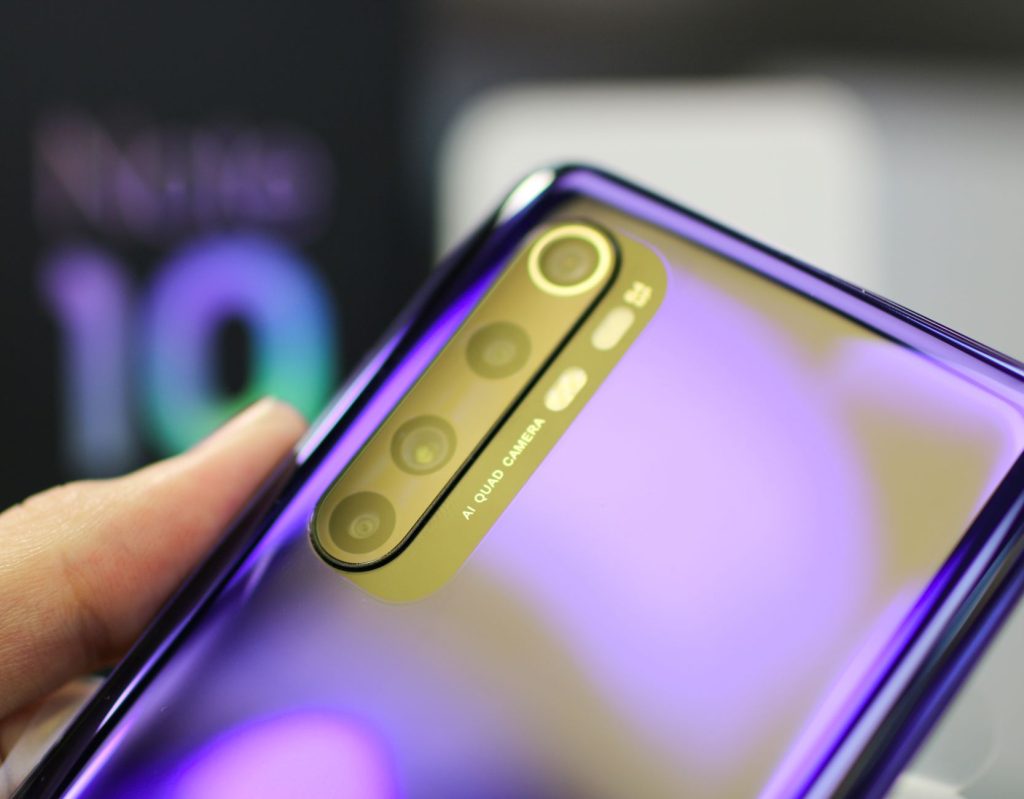
The unveiling of advanced AI-native smartphones by major Chinese OEMs at the World Artificial Intelligence Conference (WAIC) 2026 is not just a consumer hardware story; it signals a fundamental shift in the demands placed on mobile network infrastructure and edge computing. Showcased devices, including Nubia’s NaviX Ultra with its “AI Agent” technology and Honor’s experimental “Robot Phone,” demonstrate a move beyond cloud-dependent AI to on-device, context-aware, and persistently active intelligence. For telecom operators and infrastructure providers, this evolution from AI-enhanced to AI-centric devices necessitates a strategic re-evaluation of network architecture, data offload policies, spectrum efficiency, and the economics of edge compute deployment to handle the impending surge in low-latency, high-bandwidth, and always-connected AI traffic.
Technical Deep Dive: From Cloud-Centric to On-Device AI Architectures
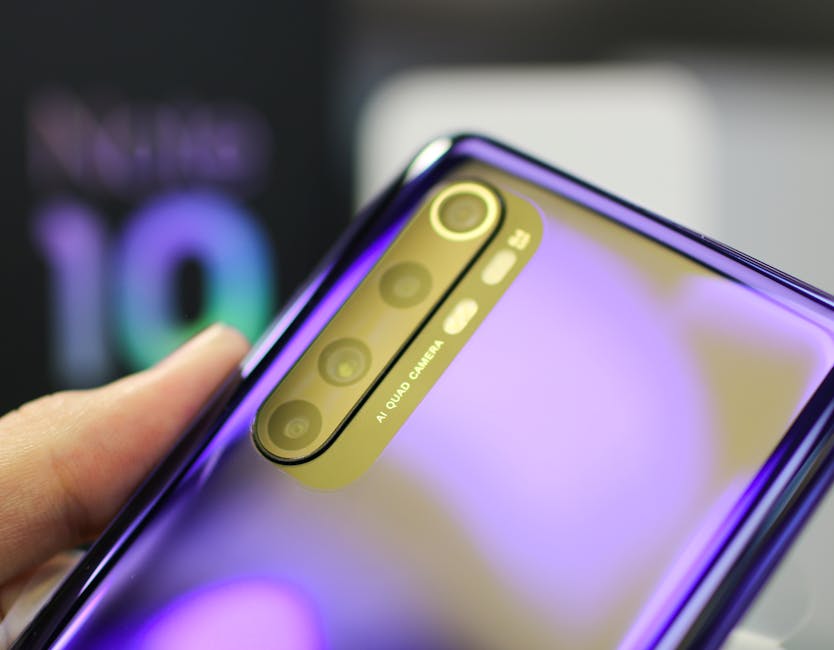
The devices showcased at WAIC 2026, particularly the Nubia NaviX Ultra, represent a significant technical pivot. The core proposition is an “AI Agent”—a persistent, proactive software entity that operates across applications, learns user behavior, and executes multi-step tasks autonomously. Unlike earlier AI features like voice assistants or camera enhancements, which were largely reactive and app-specific, this agent paradigm requires continuous, low-power sensor fusion (camera, microphone, location), real-time environmental understanding, and the ability to trigger actions across the device’s app ecosystem without constant user prompting.
This shift has profound technical implications. First, it demands a new level of on-device processing power, likely leveraging dedicated Neural Processing Units (NPUs) and heterogeneous compute architectures within the smartphone’s System-on-Chip (SoC). However, the more critical network implication is the hybrid AI model. While complex model training and certain inferences may remain in the cloud, the agent’s core reasoning and immediate decision-making must occur on-device to ensure responsiveness and privacy. This creates a new traffic pattern: frequent, small, but time-sensitive synchronization packets between the device and edge/cloud AI models to update context, fetch micro-models, and log outcomes. This is a departure from the bursty, high-volume traffic of video streaming or large file downloads, moving towards a persistent, low-latency data exchange that must be maintained even in background states, challenging existing radio resource management and device power-saving protocols.
Network Impact: RAN Optimization, Edge Compute, and QoS Demands

For Mobile Network Operators (MNOs), the proliferation of these AI-agent smartphones will directly impact Radio Access Network (RAN) performance and core network strategy. The always-on, context-aware nature of these agents will lead to a substantial increase in signaling traffic. Devices will need to maintain more persistent and higher-quality radio links to support the constant background data exchange, potentially reducing network capacity for other users if not managed intelligently.
This underscores the urgent need for widespread 5G-Advanced and early 6G deployments, focusing on features like network slicing with guaranteed low latency and high reliability, and AI-native air interfaces that can efficiently handle massive numbers of small, sporadic transmissions from IoT and AI endpoints. Furthermore, the latency requirements for a seamless AI agent experience—where actions feel instantaneous—will push compute resources closer to the user. Telecom operators are thus positioned as critical players in the edge compute ecosystem. Deploying distributed AI inference engines at network edge locations (central offices, aggregation points) will be essential to reduce round-trip time to cloud data centers, enabling a viable hybrid AI model. This creates a new revenue stream for operators: offering AI-edge compute as a service to device OEMs and application developers, but also requires significant investment in upgrading transport networks to support edge-to-core and edge-to-edge connectivity with high bandwidth and resilience.
Strategic Implications for Global Telecom Markets and Competition

The Chinese OEM push, led by Nubia (a ZTE subsidiary) and Honor, places immediate competitive pressure on global device manufacturers like Samsung and Apple, accelerating the industry-wide adoption of AI-agent architectures. For telecom markets outside China, particularly in growth regions like Africa and the Middle East, this has a dual impact. On one hand, it promises advanced, productivity-enhancing devices that could leapfrog traditional PC adoption. On the other, it risks exacerbating the digital divide if underlying network infrastructure cannot support these advanced use cases.
African and MENA operators, many of whom are still densifying 4G and rolling out 5G, must now factor AI-smartphone readiness into their network evolution plans. Partnerships with hyperscalers (AWS, Google, Microsoft) for edge AI platforms become more strategic. Regulators may need to consider policies that encourage edge infrastructure investment and spectrum allocation for network slicing. Furthermore, the data consumption patterns of these devices will influence tariff structures. Will operators create specific “AI Agent” data plans with guaranteed latency SLAs, moving beyond simple gigabyte quotas? The device-led demand could be the catalyst that finally makes network slicing and quality-of-service (QoS)-based monetization a commercial reality for operators worldwide.
Forward Look: The Smartphone as a Network Edge Node
The trajectory indicated at WAIC 2026 points towards the smartphone evolving from a network endpoint to an intelligent edge node. Future iterations may see these AI agents coordinating not just with the cloud, but with other local devices (wearables, vehicles, smart home gear) and even participating in distributed network functions, such as local mesh networking or federated learning tasks. This blurs the line between user equipment and network infrastructure.
For the telecom industry, the next 24-36 months will be critical. OEMs are driving the demand for a new class of network intelligence. Operators must respond by accelerating their own network AI and automation initiatives to manage the resulting complexity and capitalize on the opportunity. Infrastructure vendors must deliver solutions that provide the granular visibility, programmability, and ultra-low latency these new device paradigms require. The era of the AI smartphone is not just about what’s in your pocket; it’s about fundamentally re-architecting the network that connects it.