Dixon Technologies Launches Adivistar Electronics to Scale Smartphone Production for Vivo and Indian OEM Market
📰Original Source: ETTelecom / BSE Filing Dixon Technologies Launches Adivistar Electronics to Scale Smartphone Production for Vivo and Indian OEM Market India’s leading electronics manufacturing services (EMS) provider, Dixon Technologies, is establishing a new wholly-owned subsidiary, Adivistar Electronics India Pvt Ltd, to focus exclusively on…
Dixon Technologies Launches Adivistar Electronics to Scale Smartphone Production for Vivo and Indian OEM Market
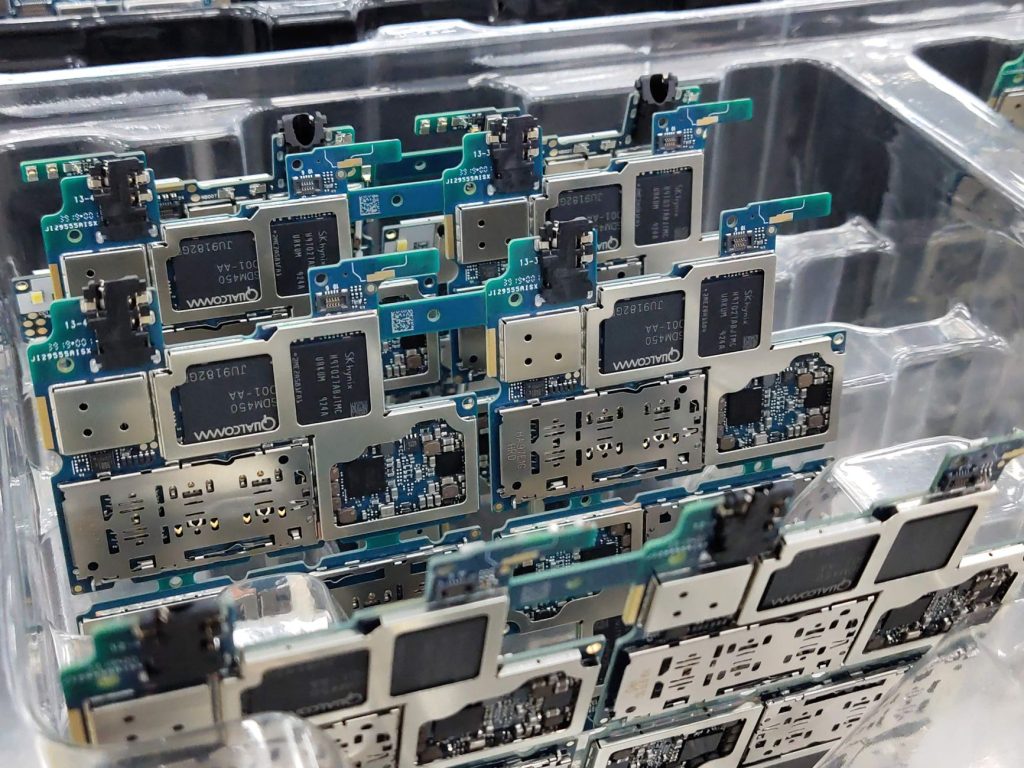
India’s leading electronics manufacturing services (EMS) provider, Dixon Technologies, is establishing a new wholly-owned subsidiary, Adivistar Electronics India Pvt Ltd, to focus exclusively on Original Equipment Manufacturer (OEM) smartphone production, according to a filing with the Bombay Stock Exchange (BSE). The strategic move is a direct response to the company’s expanding partnership with Vivo Mobile India and is designed to significantly boost domestic manufacturing capacity under India’s Production Linked Incentive (PLI) scheme. For telecom operators and network infrastructure planners, this signals a deeper localization of the device supply chain, which can influence handset affordability, 5G device availability, and service bundling strategies in the world’s second-largest mobile market.
Technical and Strategic Rationale Behind the Adivistar Spin-Off
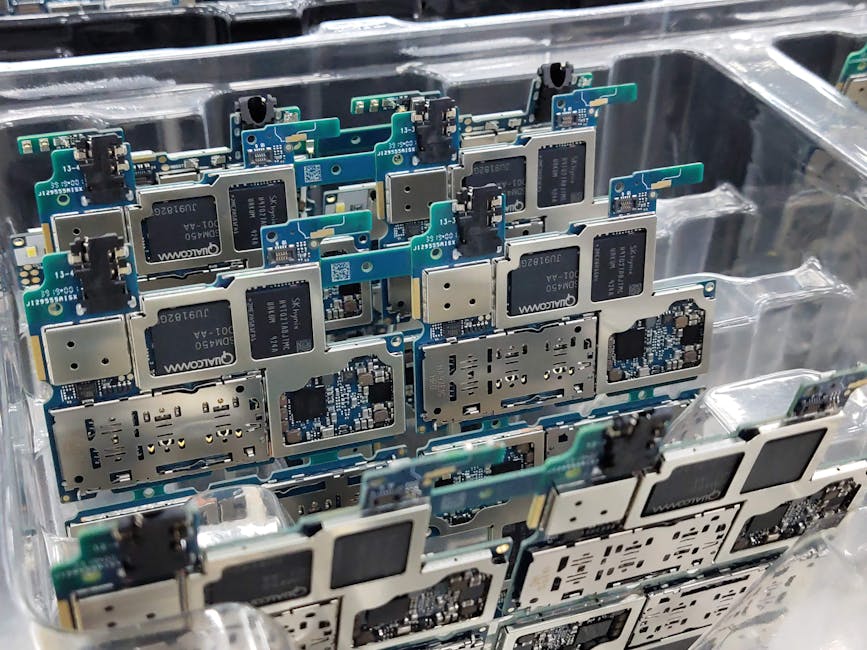
Dixon Technologies’ decision to create a dedicated smartphone manufacturing subsidiary is a calculated operational and financial maneuver. Adivistar Electronics India will be incorporated with an authorized share capital of INR 5 lakh (approximately $6,000 USD), a standard initial step, with Dixon holding 100% equity. The subsidiary’s singular focus will be on the design, manufacturing, and assembly of smartphones for OEM clients, most prominently Vivo Mobile India. This structure allows Dixon to ring-fence the capital-intensive smartphone business, streamline management, and attract specialized talent and partnerships for this high-volume segment.
The launch is inextricably linked to Dixon’s existing joint venture with Vivo, established in 2023. Under the PLI scheme for IT hardware and smartphones, this JV has been a cornerstone of Dixon’s growth, enabling it to secure government incentives tied to incremental production and sales. By spinning off smartphone operations into Adivistar, Dixon can optimize its PLI compliance and reporting for this segment, potentially unlocking greater fiscal benefits. The move also provides operational clarity, separating smartphone assembly lines—which require specific supply chains for displays, chipsets, and cameras—from Dixon’s other product lines like consumer electronics, lighting, and medical devices.
From a supply chain perspective, this facilitates dedicated sourcing agreements for smartphone components, a critical factor as India pushes for greater domestic value addition. The establishment of Adivistar is a clear signal to component suppliers, both domestic and international, of a committed, high-volume anchor customer, which could accelerate the development of local component ecosystems around major manufacturing hubs.
Impact on Telecom Operators and the Indian Device Ecosystem

For Mobile Network Operators (MNOs) like Reliance Jio, Bharti Airtel, and Vodafone Idea, the scaling of domestic smartphone manufacturing through players like Dixon-Adivistar has multi-faceted implications:
- Cost and Supply Chain Stability: Increased local production reduces dependency on imports, mitigating risks from global logistics disruptions and currency fluctuations. This can lead to more stable and potentially lower-cost device procurement for operators engaged in bulk purchases for bundled offers or enterprise deals. A robust domestic EMS sector provides MNOs with greater flexibility to commission custom device variants or order smaller, more frequent batches to match promotional cycles.
- 5G Device Proliferation: As 5G networks expand across India, affordable 5G handsets are crucial for driving subscriber migration and data consumption. Domestic manufacturers like Dixon, producing for brands like Vivo, are pivotal in bringing mid-range and budget 5G smartphones to market faster and at competitive price points. This directly supports operators’ 5G monetization strategies by enlarging the addressable market for 5G plans.
- Service-Device Bundling: With greater control over the manufacturing timeline and specifications, operators can more effectively collaborate with OEMs and EMS providers to create bundled offerings. This could include devices pre-loaded with operator-specific apps, optimized network settings, or customized firmware for services like VoWi-Fi, 5G SA, or network slicing trials.
- After-Sales and Reverse Logistics: A stronger local manufacturing base simplifies warranty fulfillment, repairs, and device recycling programs. Operators offering device insurance or upgrade plans benefit from shorter turnaround times for refurbishment and repairs handled within the country.
Furthermore, Dixon’s expansion validates the government’s PLI-led approach, likely encouraging other EMS players like Foxconn (Hon Hai), Samsung, and Bhagwati (Micromax) to further invest in and possibly specialize their Indian operations. This creates a more competitive and resilient device manufacturing landscape.
Broader Implications for Global Telecom Manufacturing and Africa/MENA Markets

The strategic evolution of Dixon Technologies offers a blueprint for other emerging markets, particularly in Africa and the MENA region, which are also seeking to develop local assembly and manufacturing hubs to reduce import bills and create jobs.
India’s success with the PLI scheme, demonstrated by Dixon’s growth and now its subsidiary creation, is being closely watched by regulators in Nigeria, Egypt, South Africa, and Saudi Arabia. These countries have implemented or are considering similar local content policies. The Dixon-Adivistar model shows that specialization—creating a focused entity for a high-growth segment like smartphones—can be an effective strategy for EMS firms to manage complexity and attract anchor clients.
For African telecom operators, often reliant on imported low-cost devices from Asia, the development of local EMS capabilities in a major market like India presents a dual dynamic. In the short term, it may sustain a flow of competitively priced devices. In the longer term, it provides a proven policy framework (PLI) that African governments could adapt to stimulate their own device assembly industries, potentially altering regional supply chains. Transsion Holdings (Tecno, Infinix, Itel), the dominant player in Africa, already has assembly operations in several African countries; the Indian model may encourage them and others to deepen local value addition.
From a global infrastructure perspective, the concentration of smartphone manufacturing in large, incentivized markets like India and Vietnam is reshaping component logistics. It influences demand for air and sea freight capacity, the location of regional distribution hubs, and the network requirements of massive industrial parks where these factories reside—driving need for high-capacity, low-latency fiber and potentially private 5G networks for industrial automation within facilities like those run by Dixon and Adivistar.
Forward Look: Integration, Verticalization, and Network Readiness
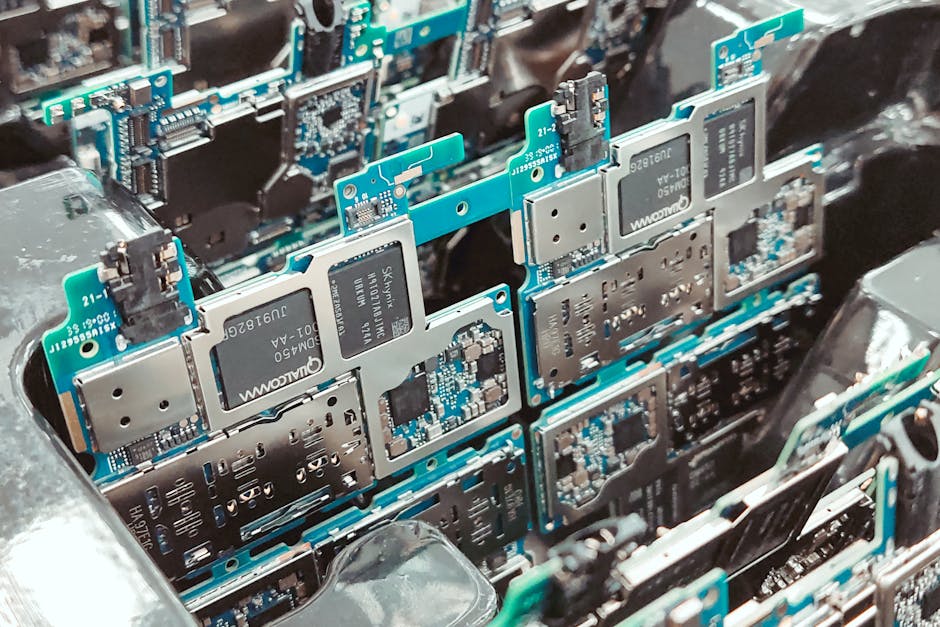
The launch of Adivistar Electronics is not an endpoint but a stepping stone in the vertical integration of India’s telecom hardware sector. The next phase will likely involve backward integration into sub-assemblies and core components. Dixon and its peers may venture into manufacturing printed circuit board assemblies (PCBAs), camera modules, or battery packs domestically. Success in this area would significantly increase the domestic value addition percentage, a key goal of the PLI scheme.
For the telecom network itself, the rise of sophisticated local manufacturing demands equally advanced industrial connectivity. We anticipate increased adoption of private 5G networks and industrial IoT within these manufacturing campuses to enable precision automation, real-time quality control, and seamless logistics. This creates a direct opportunity for telecom operators and infrastructure providers to offer tailored enterprise solutions beyond public mobile services.
Finally, as Adivistar ramps up production for Vivo and potentially other brands, the volume and variety of 5G devices in the Indian market will surge. This places pressure on MNOs to ensure their network infrastructure—particularly the 5G core and transport networks—is ready to handle the resulting data traffic and support the advanced features these devices enable. The device and network ecosystems are now in a tighter feedback loop, with domestic manufacturing acting as a key accelerator.
The creation of Adivistar Electronics is a definitive move that strengthens the foundation of India’s mobile economy. It provides telecom operators with a more reliable and potentially innovative device pipeline, offers a replicable model for other regions, and underscores the critical link between national manufacturing policy and the health of the digital connectivity sector.