SK Hynix Labor Unionization Signals Supply Chain Risk for Global Telecom Memory Market
SEOUL/REUTERS – The formation of a unified labor union at SK Hynix’s South Korean operations, as reported by Reuters, represents a significant inflection point for the global telecom supply chain. With annual wage negotiations stalled since May 2024, the consolidation of employee representation under the…
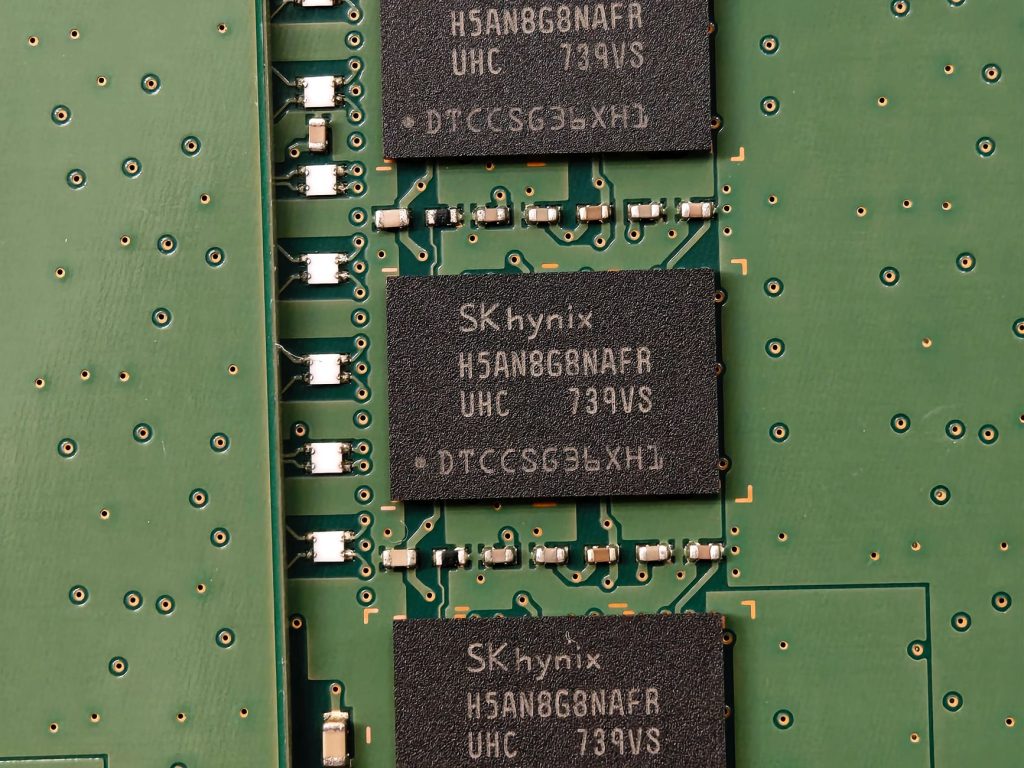
SEOUL/REUTERS – The formation of a unified labor union at SK Hynix’s South Korean operations, as reported by Reuters, represents a significant inflection point for the global telecom supply chain. With annual wage negotiations stalled since May 2024, the consolidation of employee representation under the “SK Hynix Workers’ Union” directly threatens the stability of high-bandwidth memory (HBM) and DDR5 production—critical components for 5G base stations, edge computing servers, and AI-driven network infrastructure. For telecom operators and network equipment manufacturers (NEMs) reliant on just-in-time inventory models, this labor action introduces a new layer of volatility to an already constrained memory market, potentially impacting network rollout costs and equipment lead times.
Technical and Market Deep Dive: The Telecom Memory Dependency

The global telecommunications industry is undergoing a fundamental hardware transition, driving unprecedented demand for advanced memory. The shift from 4G to 5G-Advanced and the early planning for 6G requires a complete overhaul of network core and RAN infrastructure. This new generation of equipment is not merely faster; it is fundamentally more data-intensive, leveraging massive MIMO antennas, network slicing, and AI-powered orchestration.
At the heart of this transition are two key memory technologies where SK Hynix holds a dominant or leading position:
- High-Bandwidth Memory (HBM): Essential for the AI accelerators and GPUs used in telecom data centers for real-time traffic analysis, security threat detection, and network optimization. SK Hynix commands an estimated 50% market share in the latest HBM3E generation. Any disruption in HBM supply directly impedes the deployment of AI-native network functions.
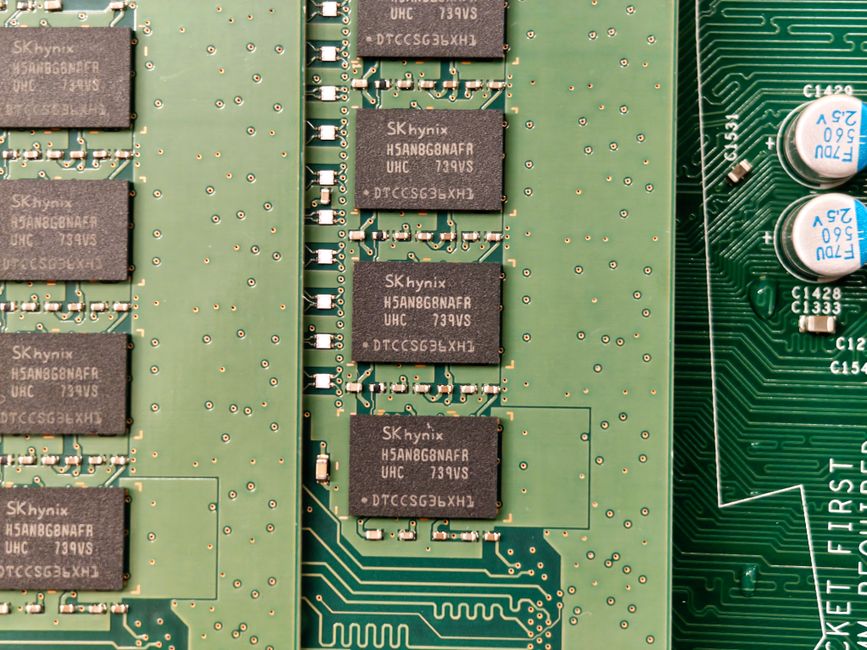
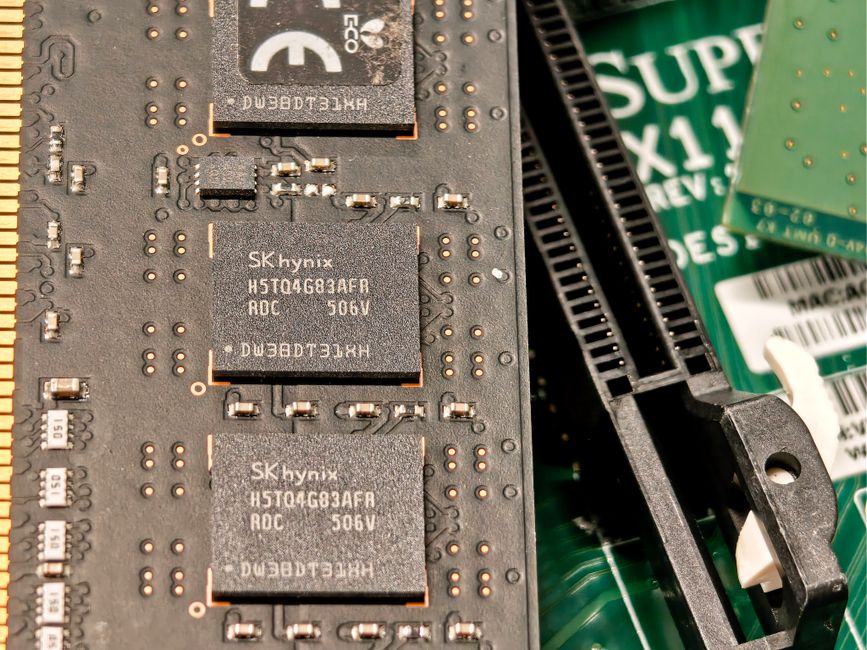
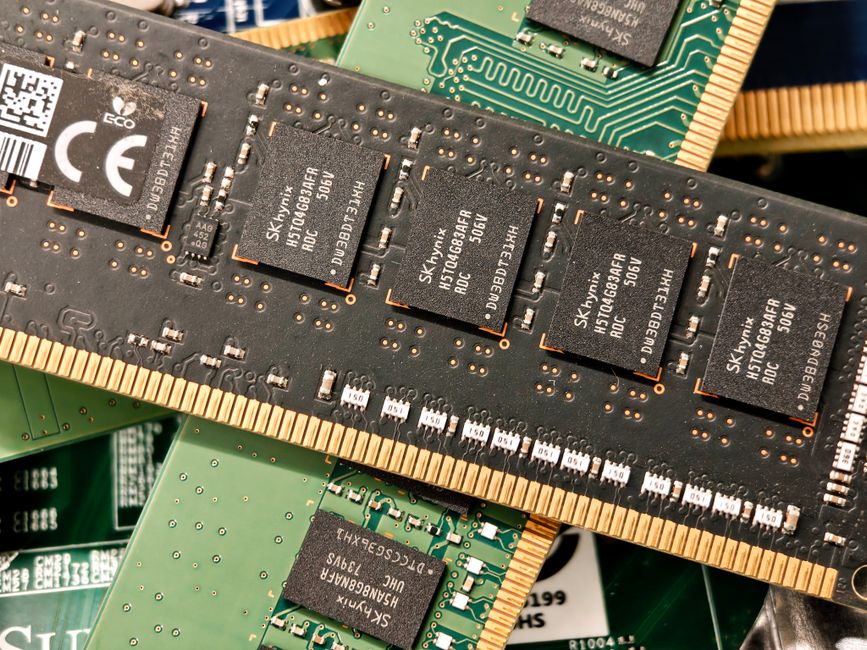
- DDR5 DRAM: The standard memory for next-generation servers powering virtualized core networks (vEPC, vIMS) and Open RAN distributed units (O-DUs). DDR5 offers nearly double the bandwidth of DDR4, which is crucial for handling the surge in mobile data traffic and low-latency edge applications. SK Hynix is a primary supplier to major server OEMs like Dell, HPE, and Supermicro, whose hardware forms the backbone of cloud-based telecom networks.
The labor action centers on stalled wage negotiations that began in May 2024. The newly formed union, representing a significant portion of SK Hynix’s 26,000-strong domestic workforce, is demanding a substantial base pay increase and a guaranteed stock-based bonus tied to the company’s record profits. SK Hynix reported an operating profit of 5.7 trillion won ($4.1 billion) for Q4 2025, a more than fivefold increase year-over-year, largely driven by AI and server memory demand. The union argues that workers have not proportionally shared in this windfall, a point that gains traction amidst a global cost-of-living crisis. For telecom procurement managers, the core risk is not a sudden shutdown but a gradual escalation—work-to-rule actions, overtime bans, or, in a worst-case scenario, targeted strikes at key fabrication plants (fabs) in Icheon and Cheongju. These fabs operate 24/7; even a minor slowdown can ripple through the global supply chain within weeks.
Industry Impact: Operators, NEMs, and the Infrastructure Ecosystem
The telecom infrastructure ecosystem operates on thin buffers. The “just-in-time” inventory model, perfected over decades, minimizes capital tied up in stock but leaves networks acutely vulnerable to component shortages. The 2021-2023 chip shortage crisis demonstrated this fragility, delaying 5G rollouts and inflating equipment costs by 15-30%.
A protracted labor dispute at SK Hynix would recreate these conditions, with specific impacts:
- For Network Equipment Manufacturers (Ericsson, Nokia, Huawei, Samsung Networks): NEMs integrate SK Hynix memory into baseband units, router line cards, and optical transport equipment. A supply squeeze would force a reversion to allocation models, prioritizing high-margin customers and delaying deliveries for standard projects. This could stall network modernization projects for Tier-2 and Tier-3 operators globally. Furthermore, NEMs may be forced to dual-source or qualify alternative memory suppliers (like Micron or Samsung), a costly and time-consuming process that could delay new product introductions.
- For Telecom Operators (AT&T, Verizon, Vodafone, Jio, MTN): Operators face a double bind: rising CapEx for network expansion and potential delays in revenue-generating services. A 10-20% increase in server and RAN equipment costs directly impacts ROI calculations for 5G SA deployments and fiber deep builds. Operators with aggressive cloud and edge computing strategies (e.g., AT&T’s partnership with Microsoft Azure, Vodafone’s “Next Gen IoT” platform) are particularly exposed, as their data center buildouts are heavily dependent on HBM and DDR5 availability.
- For Data Center & Hyperscaler Partners (Equinix, Digital Realty, AWS, Google Cloud): Telecom operators increasingly rely on colocation and public cloud for network functions. Hyperscale data centers, the largest consumers of server DRAM, would compete directly with telecom for the same constrained memory supply, potentially driving up wholesale prices for cloud-based network services (UCaaS, SASE, CPaaS).
- For the Broader Supply Chain: The impact cascades to fiber optic component manufacturers, power amplifier suppliers, and test equipment vendors, all of whom require memory for their own embedded systems and digital control units. A memory shortage thus becomes a systemic slowdown.
Regional and Strategic Implications: A Global Vulnerability with Localized Pain
While the labor action is localized to South Korea, its effects will be felt disproportionately across different telecom markets based on their supply chain strategies and rollout phases.
- North America & Europe: Markets in the midst of dense 5G mid-band (C-band, 3.5 GHz) deployments and early 5G-Advanced trials are most vulnerable. Operators like T-Mobile US, which is deploying massive MIMO at scale, and Deutsche Telekom, which is virtualizing its core, cannot afford equipment delays. These regions’ reliance on Asian semiconductor manufacturing represents a critical strategic weakness, likely accelerating political initiatives like the US CHIPS Act and the European Chips Act to onshore advanced packaging and memory production.
- Asia-Pacific (ex-Korea/China): Markets like India, Japan, and Australia are engaged in massive 5G rollouts. India’s operators (Jio, Airtel) are deploying hundreds of thousands of sites annually. A memory shortage could extend project timelines by quarters, delaying digital inclusion goals and economic benefits. Japanese operators (NTT Docomo, KDDI), leaders in Open RAN, may see their vendor diversification strategies tested if the memory bottleneck affects multiple OEMs simultaneously.
- Africa & MENA: These emerging markets face a different risk: price inflation for legacy 4G/LTE and new 5G equipment. Operators like MTN, Safaricom, and STC operate with tighter margins and often depend on financing from equipment vendors. A rise in hardware costs could force a recalibration of rollout pace, potentially widening the digital divide. Furthermore, African data center growth, crucial for local content hosting and cloud services, could be stifled by server memory shortages.
- Strategic Procurement Shifts: This event will force Chief Technology Officers (CTOs) and Chief Procurement Officers (CPOs) to reevaluate their supply chain risk models. Expect increased pressure on NEMs for greater supply chain transparency, longer-term purchase commitments to secure allocation, and potential investments in buffer inventory for critical spares. The trend toward “supply chain resilience” will move from a boardroom talking point to a mandatory line item in network budgets.
Forward-Looking Analysis: Navigating a New Era of Industrial Relations in Tech
The SK Hynix unionization is not an isolated incident but part of a broader trend of tech sector labor mobilization, seen recently at Samsung Electronics and Apple suppliers. For the telecom industry, which sits downstream from these component manufacturers, this signals the end of an era of predictable, low-cost hardware. The implications are profound:
- Cost Structure Recalibration: Telecom operators must build contingency for component-driven inflation into their long-range plans. The assumption of perpetually declining hardware costs per bit is no longer tenable.
- Vendor Management Evolution: Operator-vendor relationships must deepen to include collaborative risk management. Joint business planning that includes visibility into tier-2 and tier-3 suppliers (like memory makers) will become a competitive advantage.
- Accelerated Architectural Shifts: Supply chain vulnerability may accelerate the adoption of software-defined, disaggregated networks. If a specific hardware component is a bottleneck, the industry will seek to abstract its function into software running on commoditized, fungible hardware. This further bolsters the case for Open RAN and cloud-native principles.
- Geopolitical Supply Chain Realignment: National security concerns around network infrastructure, already high, will be compounded by industrial action risks. Governments and large operators will increasingly mandate dual-source requirements and fund alternative supply chains, potentially benefiting memory manufacturers in the US, Europe, and Japan over the medium term.
In conclusion, the formation of a unified union at SK Hynix is a watershed moment for telecom infrastructure. It transforms labor relations in a Korean semiconductor fab into a tangible business continuity risk for network operators worldwide. The industry’s response—through strategic stockpiling, supplier diversification, and architectural innovation—will define its resilience in the coming decade. Proactive operators who treat component supply chains as a core part of their network strategy will gain a decisive edge in rollout speed and cost control, while those who ignore this shift do so at their peril.