Elon Musk’s Data Center Empire: Infrastructure Demands of Tesla, Dojo, xAI Reshape Telecom & Power Markets
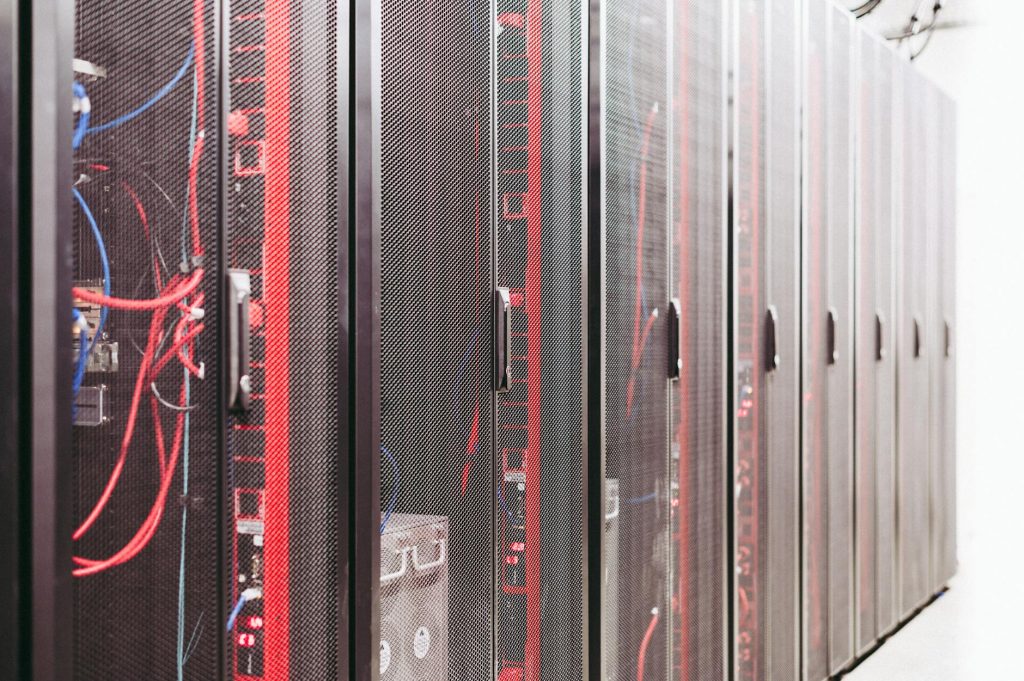
Source: Dgtl Infra’s original reporting on Elon Musk’s data center operations across Tesla, X, and xAI. The scale and specificity of the infrastructure investments detailed provide critical insights for telecom and power providers.
Elon Musk’s portfolio of companies—Tesla, X (formerly Twitter), and xAI—represents one of the world’s largest and fastest-growing concentrated demands for data center capacity, network connectivity, and electrical power. This surge is not merely a hyperscale cloud story; it is a direct driver for telecommunications infrastructure, from dark fiber and high-bandwidth circuits to submarine cable partnerships and edge computing. The operational requirements for Tesla’s autonomous driving data, the Dojo supercomputer, X’s global video and messaging platform, and xAI’s generative AI training create a unique, multi-faceted load on global networks. For telecom operators, infrastructure investors, and power utilities, understanding the scale, location, and technical specs of these facilities is essential for forecasting demand, planning capacity, and securing long-term contracts.
The Technical Specs: A Deep Dive into Musk’s Data Center Footprint

The infrastructure supporting Musk’s ventures is characterized by extreme power density, custom silicon, and a push for vertical integration. Tesla’s operations are a prime example. The company’s primary data center in Austin, Texas, supports Full Self-Driving (FSD) training and occupies over 1.4 million square feet. However, the crown jewel is the Dojo supercomputer. Built on Tesla’s custom D1 chip (7nm, 362 TFLOPs BF16/CFP8), Dojo represents a fundamental shift from reliance on NVIDIA GPUs. Each Dojo training tile consumes roughly 15 kilowatts, with a cabinet of two tiles drawing 100kW. The planned 100 ExaFLOPs system would represent a compute cluster of unprecedented density, requiring direct liquid cooling and a power and cooling infrastructure that rivals the largest AI cloud regions.
For X, the infrastructure challenge is different but equally immense. The platform requires global low-latency connectivity to serve real-time video, Spaces audio, and messaging for its 500+ million monthly users. X leverages a combination of leased colocation space and its own owned facilities. Key nodes are strategically located in major internet exchange points: Sacramento, California; Atlanta, Georgia; and Prineville, Oregon. These locations are chosen for proximity to major fiber routes and lower power costs. The network must handle petabytes of daily media uploads and trillions of real-time posts, placing immense strain on peering connections and driving demand for high-capacity, low-latency wavelength services from tier-1 carriers.
xAI, Musk’s generative AI venture, adds another layer of intense demand. Training models like Grok requires thousands of high-end GPUs (H100, A100, or soon, Tesla’s own Dojo systems) clustered together. This necessitates data centers with power capacities exceeding 50-100 MW per facility and ultra-high-bandwidth interconnects between nodes to facilitate all-to-all communication during training. xAI’s infrastructure strategy likely involves securing capacity in existing hyperscale regions (like Silicon Valley, Virginia, Texas) while also exploring build-to-suit opportunities in markets with abundant, low-cost renewable power.
Industry Impact: A New Wave of Demand for Telecoms and Infrastructure Players
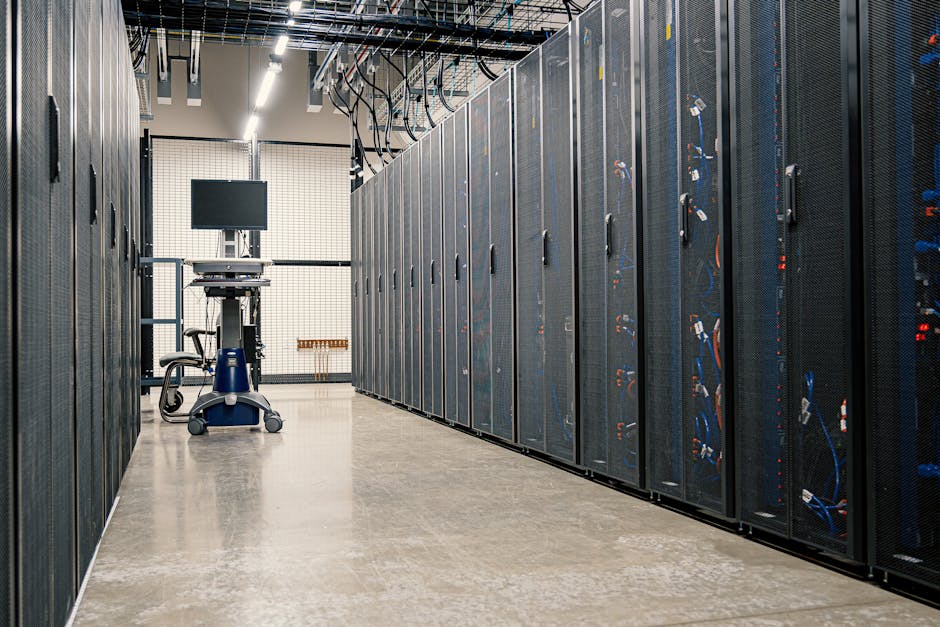
The collective demand from Musk’s companies creates both opportunities and challenges for telecommunications providers and digital infrastructure firms.
1. Fiber & Connectivity: Tesla’s global fleet of vehicles generates a constant stream of sensor data that must be uploaded for training. This requires robust, last-mile wireless connectivity (4G/5G) and massive backhaul capacity to data centers. Furthermore, the synchronization of training data across Tesla’s global data centers (Austin, Shanghai) necessitates high-capacity, low-latency international private lines and submarine cable capacity. For carriers like AT&T, Verizon, Lumen, and Zayo, this represents a significant source of enterprise wavelength and dark fiber contracts.
2. Power & Cooling: The power density of AI training clusters, especially Dojo, pushes the limits of traditional data center design. Liquid cooling is becoming a requirement, not an option. This drives demand for specialized engineering firms and shifts the calculus for data center REITs like Digital Realty, Equinix, and CyrusOne. They must adapt their designs or risk losing these high-value tenants to build-to-suit specialists or self-built facilities. The power demand also forces closer partnerships with utilities and accelerates investments in on-site generation and grid upgrades.
3. Competitive Landscape: Musk’s move towards custom silicon (Dojo D1 chip, Tesla FSD chip) and potential vertical integration into data center infrastructure threatens the traditional supply chain dominated by Intel, NVIDIA, and Broadcom. If successful, it could spur similar moves by other large-scale consumers like Meta and Google, further disrupting the semiconductor and server OEM markets. For telecom operators, this could lead to more customized, performance-optimized hardware in their network cores to handle the resulting traffic patterns.
Global & Strategic Implications: Siting, Regulation, and the African Opportunity
The geographic footprint of these data centers has major implications for regional telecom markets and energy grids.
Texas as an Epicenter: Texas has emerged as a focal point, hosting Tesla’s headquarters and primary data center in Austin and a major X facility in the same region. The state’s competitive power market, available land, and growing fiber connectivity make it attractive. However, the strain on ERCOT’s grid from such concentrated, high-density loads is a growing concern, potentially leading to higher grid stabilization costs or demands for co-located battery storage (a natural synergy with Tesla Energy).
MENA & African Telecom Dynamics: Musk’s ownership of Starlink (SpaceX) adds a crucial layer. Starlink can provide backhaul and last-mile connectivity in regions where terrestrial fiber is underdeveloped, potentially enabling the placement of edge data centers or training clusters in new geographies. For African telecom operators, Starlink presents both a competitive threat for backhaul and an opportunity to extend services to underserved areas. Furthermore, regions with abundant solar or geothermal potential—like North Africa or parts of sub-Saharan Africa—could become attractive for future xAI or Tesla compute facilities if reliable, high-capacity connectivity can be assured via submarine cables like 2Africa, Google’s Equiano, or Facebook’s Bifrost.
Regulatory and Security Considerations: The data handled by these companies—real-time vehicular mapping, global social discourse, advanced AI models—is of high strategic and national security interest. This will increasingly draw regulatory scrutiny regarding data sovereignty, cross-border data flows, and infrastructure security. Telecom carriers providing connectivity to these facilities will need to navigate complex compliance landscapes and may face requirements for network segmentation or enhanced monitoring.
Conclusion: The Telecom Infrastructure Race Accelerates
The infrastructure demands of Elon Musk’s companies are a bellwether for the next decade of digital infrastructure investment. We are moving beyond generic cloud capacity into an era of specialized, high-performance compute clusters that are inseparable from the networks that feed them. For the telecom industry, this means:
- Bandwidth Commoditization Gives Way to Performance Tiering: Latency, jitter, and availability SLAs for AI training workloads will command premium pricing.
- Convergence of Power and Network Planning: Site selection for new data centers will equally weigh fiber diversity and substation capacity.
- Rise of the AI-Native Carrier: Operators that optimize their core and edge networks for machine-to-machine AI traffic—through technologies like segment routing, massive scale EVPN, and AI-driven network orchestration—will capture the lion’s share of this growth.
- Increased Vertical Integration: Following Musk’s lead, other large tech and telecom players may invest further in custom silicon and owned infrastructure to control costs and performance, reshaping the vendor ecosystem.
The era of AI-driven infrastructure is here, and its requirements are being written in real-time by the colossal needs of entities like Tesla, xAI, and X. Telecom operators and infrastructure providers must adapt their strategies accordingly or risk being relegated to mere commodity pipe providers.