Elon Musk’s Data Center Strategy: Telecom Infrastructure Implications for AI, X, and xAI
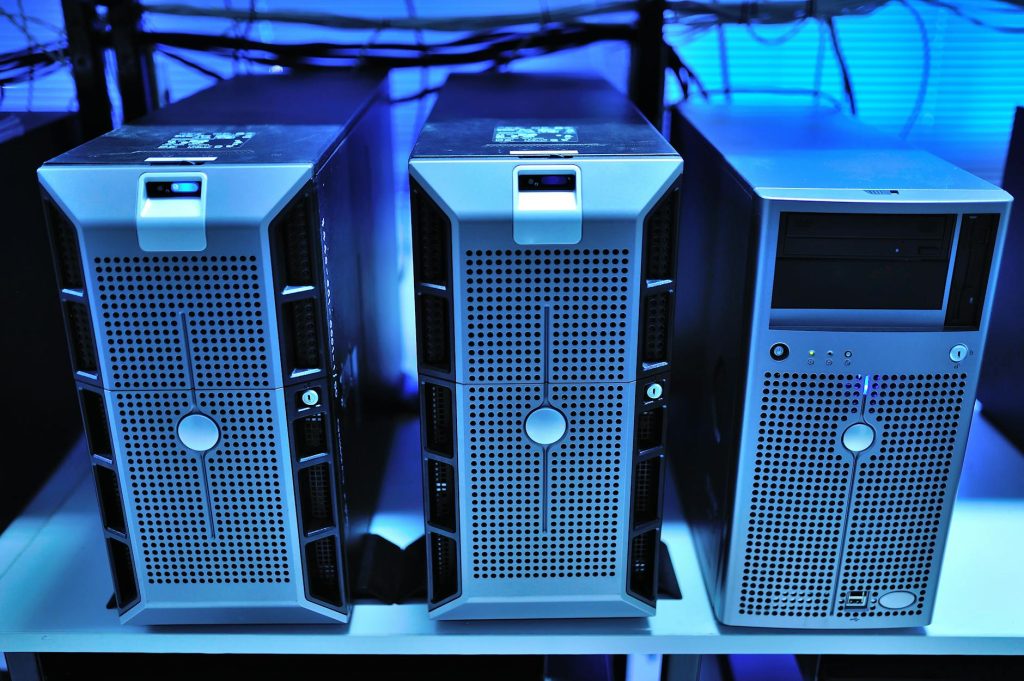
Source: Analysis based on public disclosures and infrastructure reporting from Dgtl Infra, detailing the data center and compute assets across Elon Musk’s corporate portfolio, including Tesla, X (formerly Twitter), and xAI. The aggressive build-out of proprietary AI supercomputing clusters and hyperscale data centers by these entities represents a significant new source of wholesale bandwidth demand and a potential competitive force in edge and core network infrastructure for telecom operators.
Elon Musk’s companies—Tesla, X Corp., and xAI—are executing a massive, vertically integrated infrastructure strategy that directly impacts the telecommunications sector. Beyond consumer-facing products, these firms are deploying proprietary data centers, custom supercomputers like Tesla’s Dojo, and vast GPU clusters to train frontier AI models. For telecom network operators, carriers, and infrastructure investors, this represents a dual dynamic: a surge in predictable, high-volume data transport demand from fixed locations, coupled with the potential for these tech giants to bypass traditional telcos for critical backhaul and connectivity. The scale is staggering: xAI is reportedly building a 100,000-GPU supercomputer, while Tesla’s Dojo aims for 100 exaflops of compute. This infrastructure requires multi-hundred gigabit, low-latency fiber connections, advanced power provisioning, and creates new geographic hotspots for network investment.
The Technical Build-Out: Dojo, GPU Clusters, and Hyperscale Demands
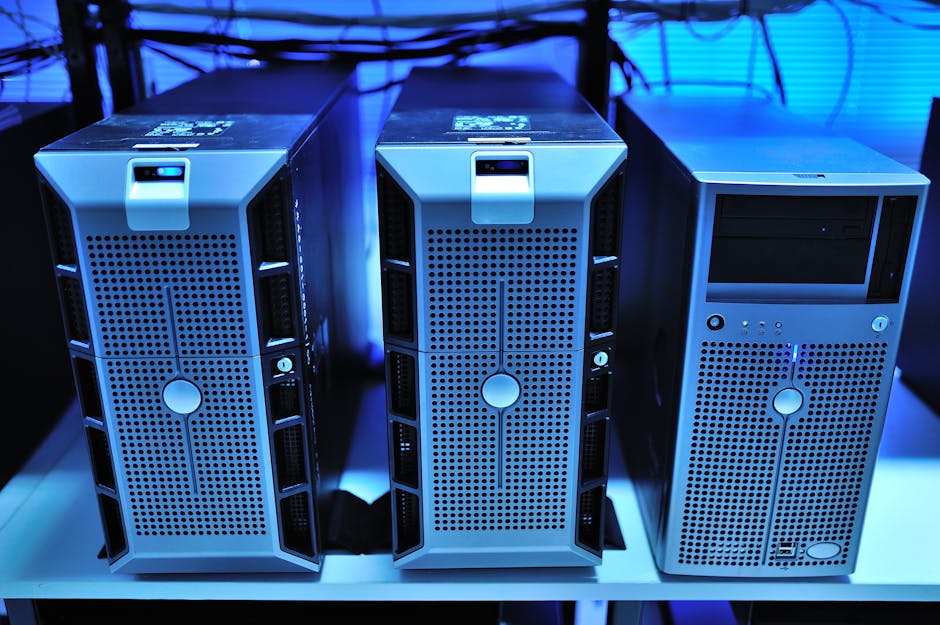
The core technical driver across Musk’s portfolio is the insatiable demand for AI training compute. Each company is pursuing a distinct but infrastructure-intensive path:
- Tesla’s Dojo Supercomputer: A custom-designed system from the ground up, featuring Tesla’s D1 chip (362 teraflops of BF16/CFP8 performance) integrated into training tiles and cabinets. The company’s goal is to scale Dojo to 100 exaflops of compute power. This requires not just immense power density—with entire data halls dedicated to Dojo—but also extreme bandwidth for exchanging model weights and training data. Internally, this likely leverages high-radix, low-latency fabric interconnects. Externally, it necessitates high-capacity fiber routes from Tesla’s primary data center in Palo Alto, California, to its Gigafactories and vehicle fleets for data ingestion and model deployment.
- xAI’s Grok and Frontier Model Training: xAI is engaged in a direct competition with OpenAI, Anthropic, and Google, requiring state-of-the-art GPU clusters. Reports indicate plans for a 100,000-GPU supercomputer, potentially leveraging Nvidia’s H100 and Blackwell architectures. Such a cluster, if collocated, would represent one of the largest single AI training facilities globally, with an estimated power demand exceeding 100 megawatts. The network fabric for such a cluster—likely using InfiniBand or proprietary high-speed Ethernet—is a critical piece of infrastructure. Furthermore, the data pipeline to train models like Grok on real-time data from X platform requires a high-throughput, low-latency connection between X’s and xAI’s data centers, creating a dedicated private network need.
- X Platform’s Real-Time Data Lake: X Corp. operates a global social media and real-time data platform, generating petabytes of daily data. This infrastructure supports hundreds of millions of users and is the primary data source for xAI. For telecoms, this translates to sustained ingress/egress traffic at major internet exchange points (IXPs) and direct cloud interconnects. X’s move to host video and Spaces audio content also shifts its traffic profile toward higher-bandwidth, real-time streaming, impacting peering and transit agreements.
The common thread is a move away from pure reliance on public cloud providers (AWS, Google Cloud, Azure) toward owned-and-operated infrastructure. This “hybrid sovereign” model gives Musk’s companies control over performance, cost, and data governance but places the onus on them to secure robust telecom connectivity. For carriers, this means these entities become “anchor tenants” for dark fiber, wavelength services, and dedicated internet access (DIA) in specific corridors, such as between Texas (where Tesla and xAI have major operations) and Northern Virginia (a major data center hub).
Telecom Industry Impact: Bandwidth, Interconnection, and Competitive Dynamics
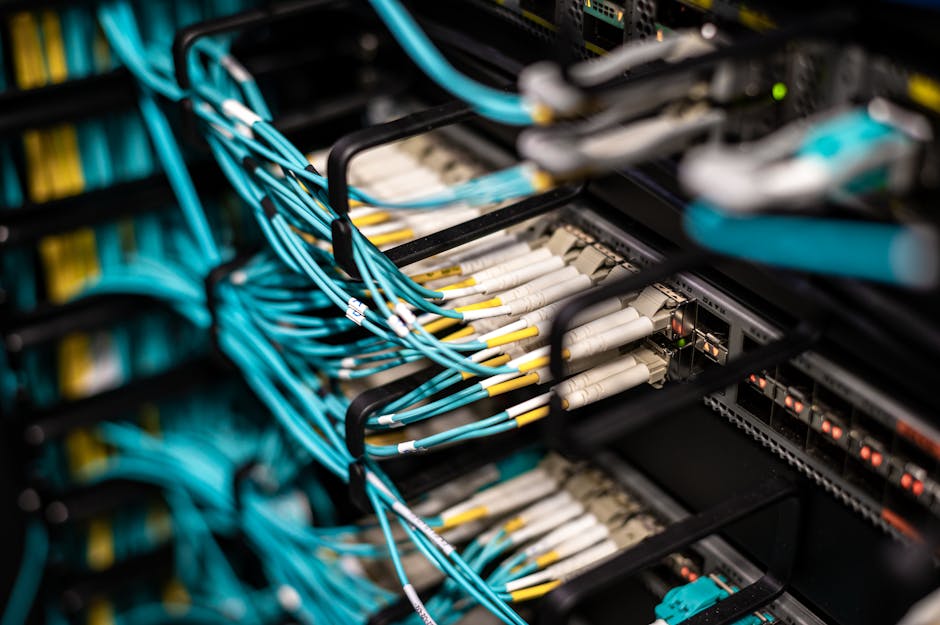
The build-out by Musk’s companies creates tangible opportunities and challenges for telecommunications operators, wholesale carriers, and infrastructure providers.
1. Wholesale Bandwidth Demand Surge: Each major AI training cluster or data center pod requires multiple 100G or 400G wavelengths for data transfer, model synchronization, and backup. This is not bursty consumer traffic but consistent, rack-rate committed bandwidth. Operators with dense fiber networks in key markets—particularly Silicon Valley, Texas, Reno (Nevada), and emerging AI hub locations—are positioned to win long-term contracts. Companies like Zayo, Lumen, AT&T, and regional fiber players will see RFPs for diverse, high-count fiber routes connecting these proprietary data centers to public clouds, research institutions, and other Musk-owned assets.
2. The Interconnection Imperative: While these companies build their own AI factories, they remain interconnected with the broader internet and cloud ecosystem. X platform must deliver low-latency content globally, requiring extensive peering at major IXPs like DE-CIX, AMS-IX, and LINX. xAI may purchase GPU capacity from cloud providers for peak loads, necessitating high-performance cloud on-ramps (like AWS Direct Connect, Google Cloud Interconnect). Telecom operators that provide colocation and interconnection services in carrier-neutral data centers (e.g., Digital Realty, Equinix) will benefit from housing these companies’ network edge routers and cross-connects.
3. Potential for Bypass and Vertical Integration: A long-term strategic risk for telcos is the potential for further vertical integration. Musk’s holdings already include SpaceX with its Starlink LEO satellite constellation. The convergence of Starlink’s backhaul network, terrestrial fiber assets (through potential acquisitions or builds), and proprietary data centers could create an end-to-end infrastructure stack that bypasses traditional telcos for data movement between SpaceX launch sites, Starlink gateways, Tesla factories, and X data centers. While this is a capital-intensive endeavor, the precedent exists in how Google and Meta built their own global submarine cable and terrestrial fiber networks.
4. Power and Edge Synergies: Tesla’s expertise in battery storage (Megapack) and solar energy could influence data center design, leading to more self-sufficient facilities that reduce reliance on the local grid. For telecom operators, this is relevant for edge data center partnerships. Tesla’s Full Self-Driving (FSD) system requires real-time data processing; future edge computing nodes at Tesla service centers or Supercharger stations could be colocated with telecom edge sites, creating partnership opportunities for local breakout and low-latency connectivity.
Regional and Strategic Implications: Focus on Texas and AI Corridors

The geographic concentration of Musk’s infrastructure investments is reshaping telecom landscape priorities. Texas has emerged as a central hub:
- Tesla’s Gigafactory Texas in Austin: Houses significant data center capacity for Dojo and automotive AI. This demands fiber builds from the Austin metro to major data center hubs and long-haul routes to California.
- xAI’s Operations in the Dallas Metro: Reports suggest xAI is building its massive supercomputer in the Dallas area, leveraging Texas’s favorable power costs and land availability. This instantly makes the Dallas-Fort Worth data center market, already one of the largest in the U.S., a critical AI networking nexus.
- Starlink’s Ground Station Network: Texas hosts several Starlink gateway sites. The backhaul from these sites, carrying global satellite internet traffic, requires high-capacity fiber to SpaceX’s data centers and points of presence.
This creates a “Texas Triangle” of AI infrastructure between Austin, Dallas, and potentially Houston. Telecom operators must ensure robust, diverse fiber connectivity within this triangle. Furthermore, the need to connect Texas to Northern Virginia (the world’s largest data center market) and Silicon Valley will drive investment in long-haul dark fiber and upgraded DWDM systems on routes like I-20/I-40 and I-10.
Globally, X’s platform operations necessitate a content delivery network (CDN) and points of presence worldwide. While X may use commercial CDNs, it also has the incentive to build its own cache infrastructure, colocating in telco central offices or edge data centers. For operators in Africa, the Middle East, and Southeast Asia, this could represent a new source of colocation revenue and traffic exchange agreements, especially if X’s growth continues in these regions.
Forward-Looking Analysis: The Telecom Sector’s Role in the AI Factory Era

The infrastructure push by Musk’s companies is a microcosm of a broader trend: the rise of the “AI factory” as a core industrial asset. For the telecom sector, this signifies a shift.
Network operators must evolve from being commodity bandwidth providers to strategic partners in AI infrastructure. This involves:
– Product Innovation: Offering tailored products like “AI Cluster Interconnect” with guaranteed ultra-low latency and jitter for RDMA (Remote Direct Memory Access) over Converged Ethernet (RoCE) traffic.
– Consultative Sales: Engaging with the infrastructure teams at companies like xAI and Tesla early in their site selection process to design the optimal network topology.
– Investment Alignment: Directing fiber expansion and network upgrade capital towards corridors that link emerging AI hubs, beyond traditional financial and cloud centers.
The risk of disintermediation is real but not imminent for most operators. The capital and expertise required to build a global terrestrial fiber network are immense, even for Musk. The more likely scenario is a hybrid model where these tech giants build where it is strategic (e.g., specific data center interlinks) and partner with telcos for the rest. However, it reinforces the imperative for telecom operators to own and control high-quality fiber assets. Operators that are merely resellers of capacity on others’ networks will be marginalized.
In conclusion, Elon Musk’s data center and AI compute strategy is not just a technology story; it is a major demand-side signal for the telecommunications industry. It creates concentrated, high-value demand for bandwidth, redefines important geographic markets, and presents both partnership opportunities and competitive warnings. Telecom executives and infrastructure investors should monitor these developments closely, as the network requirements of these AI factories will influence capital expenditure, network architecture, and strategic priorities for the next decade.