Analysis based on original reporting by ETTelecom, May 15, 2026.
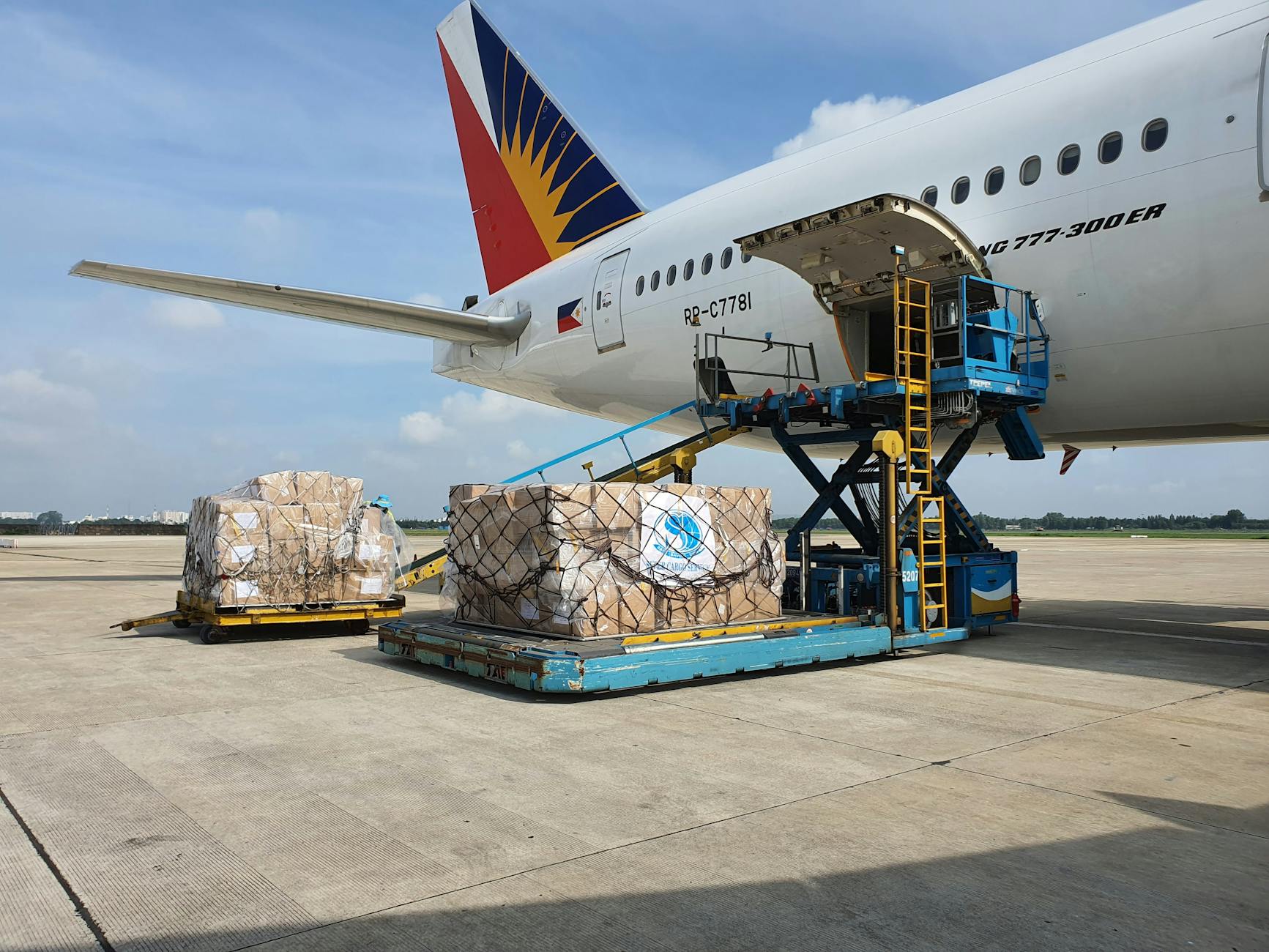
Redington Ltd, a major global IT and telecom equipment distributor serving over 40 markets, has been forced to pivot to air freight for critical shipments to the Middle East and Africa as an escalating Gulf conflict severely disrupts traditional sea routes, including the strategic Strait of Hormuz. This logistical shift, confirmed by company executives, is a direct response to heightened maritime security risks, port closures, and soaring insurance premiums, leading to a 20-30% surge in its overall logistics costs. For telecom network operators (OpCos) and infrastructure builders across the MENA region and Africa, this move by a key supply chain player signals an immediate and tangible increase in the cost and complexity of sourcing essential hardware—from routers and switches to data center components and consumer devices—amplifying existing inflationary pressures on network rollout and maintenance budgets.
The Strait of Hormuz Chokepoint and the Shift to Air Freight

The core of the disruption lies in the Strait of Hormuz, the narrow maritime passage between the Persian Gulf and the Gulf of Oman. Through this 21-nautical-mile-wide chokepoint flows approximately one-fifth of the world’s seaborne oil, but also a significant volume of containerized cargo, including electronics and telecommunications equipment destined for the Gulf Cooperation Council (GCC) states and onward to Africa. The reported closure or high-risk status of this route has forced a fundamental recalculation of supply chain logistics for time-sensitive, high-value goods. Redington’s “Rest of the World” segment, which includes the UAE, Saudi Arabia, and other MENA markets, contributes nearly half of its total revenue, underscoring the segment’s critical importance and its vulnerability to regional instability.
Air freight, while exponentially faster, comes at a severe cost premium and capacity constraint. The shift is not a simple one-for-one substitution. Sea freight offers massive volumetric capacity for bulky items like server racks, tower components, and cable reels at a fraction of the cost. Air cargo is optimal for high-value, low-weight, and urgent items such as semiconductors, specialized network cards, and critical spares. Redington’s pivot indicates that the risk of complete supply chain interruption for key markets now outweighs the dramatic cost increase. Industry analysts note air freight rates from Asia to the Middle East have spiked by 40-60% in recent weeks, with capacity on major routes becoming tightly constrained as other shippers make similar contingency plans. This creates a dual challenge for telecom operators: higher direct costs for equipment and potential delays for non-prioritized shipments that may be stuck in congested alternative sea routes around the Cape of Good Hope, adding weeks to delivery times.
Impact on Telecom Operators and Network Rollout Economics
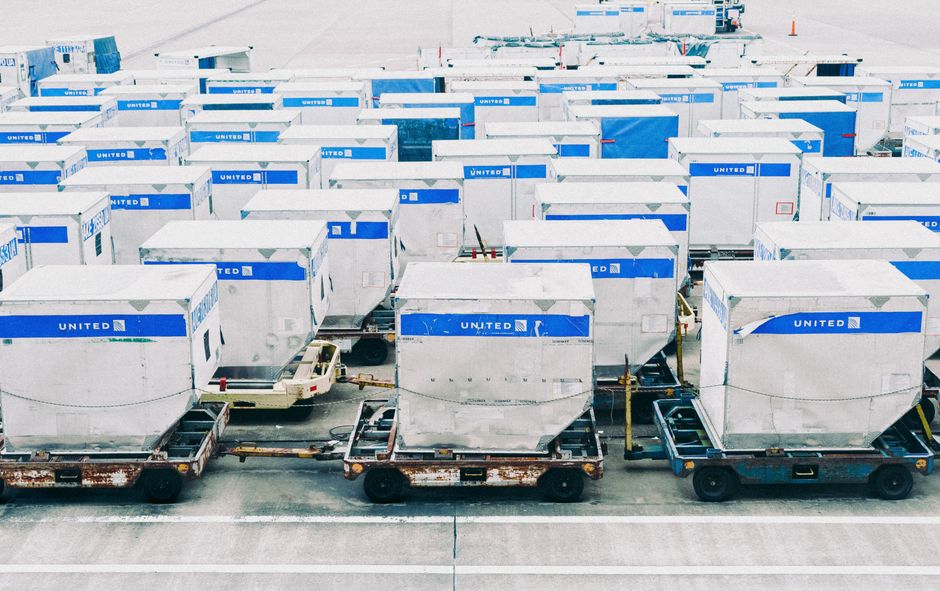
The ramifications for mobile network operators (MNOs), fixed-line providers, and data center operators are immediate and multifaceted. First, CapEx planning is thrown into disarray. Projects with tight timelines, such as 5G network densification, fiber-to-the-home (FTTH) expansions, or new data center builds, face the risk of critical path delays. A delayed shipment of baseband units or optical line terminals (OLTs) can stall an entire deployment, incurring contractual penalties and delaying revenue generation.
Second, OpEx for network maintenance rises sharply. The practice of holding large, costly inventories of spare parts has been minimized in favor of just-in-time logistics. This conflict disrupts that model. To maintain network reliability, operators may now need to air freight faulty router replacements or antenna components, significantly increasing the cost of repair. For operators in landlocked African nations reliant on transit through Middle Eastern ports like Jebel Ali or Salalah, the disruption is compounded, potentially creating multi-tiered logistical bottlenecks.
Third, the cost inflation will inevitably be passed down the chain. While large tier-1 operators may have stronger negotiating power with distributors like Redington, smaller operators and internet service providers (ISPs) will bear the brunt of increased prices. This could slow down the adoption of new technologies in price-sensitive emerging markets and widen the digital divide. Furthermore, equipment vendors like Nokia, Ericsson, Huawei, and Cisco, who rely on distributors for last-mile delivery in many regions, will face pressure on their own margins and service-level agreements (SLAs).
Strategic Implications for MENA and African Telecom Markets

The Redington case highlights the profound vulnerability of the MENA and African telecom sectors to geopolitical shocks in key maritime corridors. The region is a net importer of virtually all high-tech telecoms hardware. This event will accelerate several strategic discussions within boardrooms and regulatory bodies:
- Supply Chain Diversification: Operators and governments will re-evaluate over-reliance on single maritime routes and primary source regions. This may accelerate “friend-shoring” or “near-shoring” initiatives, though local manufacturing capacity for complex telecom gear in MENA/Africa remains limited to final assembly in most cases.
- Inventory Strategy Reset: The just-in-time model will be scrutinized. Strategic stockpiling of critical network elements (CNEs) may see a revival, supported by government policies aimed at national digital resilience. This increases working capital requirements for operators.
- Logistics Partnership Evolution: Long-term contracts with logistics providers that include geopolitical risk clauses and guaranteed air freight capacity options will become more valuable. Operators may seek deeper partnerships with firms that have robust multi-modal capabilities.
- Regional Hub Ambitions: Countries like the UAE, Saudi Arabia, Egypt, and Kenya, which are investing heavily in becoming digital and logistics hubs, could see a short-term boost as air freight hubs. However, their long-term value depends on the stability of their own locations and their ability to offer secure, alternative overland or air corridors.
The conflict also intersects with other global pressures on telecom supply chains, including ongoing semiconductor shortages, US-China trade tensions affecting gear procurement, and sustainability mandates that conflict with the high carbon footprint of emergency air freight.
Forward-Looking Analysis: Building Resilient Telecom Supply Chains

The Redington air freight pivot is not an isolated incident but a stark warning. Geopolitical risk is now a first-order variable in telecom network planning, equal to technology choice and spectrum strategy. In the short term, operators must conduct stress tests on their critical equipment supply lines, identify single points of failure, and secure alternative logistics agreements. They should also engage in transparent dialogue with regulators about the cost pressures affecting universal service and broadband rollout targets.
Longer-term, the industry must collaborate on building more resilient architectures. This includes greater standardization of components to allow for multi-vendor interoperability and easier substitution, investment in regional warehousing and repair centers, and the development of digital supply chain platforms that provide real-time visibility and risk analytics. Furthermore, the economic argument for developing more local manufacturing and assembly capabilities for passive infrastructure and certain active equipment will grow stronger.
For investors and analysts, the key metric to watch will be the “logistics cost to revenue” ratio for major distributors and operators in affected regions. A sustained elevation of this cost layer will pressure margins and could trigger consolidation among smaller players unable to absorb the shock. The events in the Gulf underscore that in an interconnected global industry, the security of a maritime chokepoint thousands of miles away is directly linked to the cost and reliability of connectivity in emerging markets. Network resilience now depends as much on supply chain agility as it does on network redundancy.
About the Author