Redington’s Air Freight Pivot Highlights Critical Geopolitical Risk to MENA Telecom Supply Chains
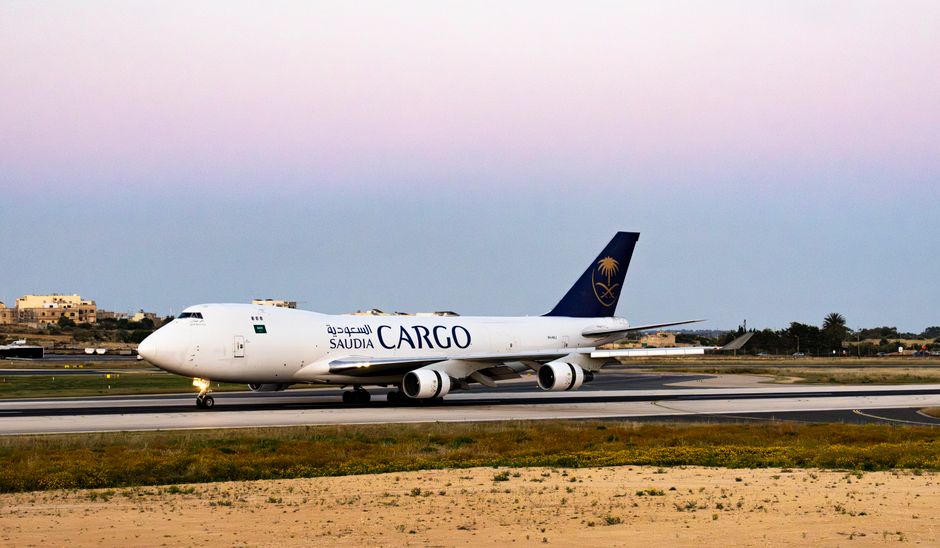
According to a report by ETTelecom, global IT and telecom distributor Redington has been forced to shift core supply routes from sea to air freight due to the ongoing Gulf conflict, which has severely disrupted vital maritime corridors, including the Strait of Hormuz. The company, which serves customers in over 40 markets including the United Arab Emirates and Saudi Arabia, has seen its logistics costs increase by 100-150 basis points as a direct result, with air freight prices surging by 15-20%. For the telecom infrastructure sector, Redington’s pivot from the cost-effective sea lanes to premium air cargo is a stark warning of the fragility of physical supply chains that underpin network rollouts, device availability, and data center construction across the Middle East and North Africa (MENA) region. This disruption directly threatens the timely execution of 5G deployments, fiber-to-the-premises (FTTP) projects, and enterprise digital transformation initiatives that rely on just-in-time delivery of critical hardware.
Anatomy of a Supply Chain Shock: From Sea Lanes to Air Corridors

The strategic shift by a major distributor like Redington reveals the severe operational and financial impact of regional instability on technology logistics. The company’s “Rest of the World” segment, which includes the MENA region and contributes nearly half of its total revenue, is particularly exposed. The primary disruption stems from the threat to and potential closure of the Strait of Hormuz, a 21-mile wide chokepoint through which approximately 21 million barrels of oil—and a significant portion of containerized goods—flow daily. For telecom, this route is essential for the shipment of everything from smartphone components and consumer devices to enterprise routers, server racks, and specialized network equipment like optical transceivers and baseband units.
Redington’s response involves chartering aircraft and securing premium cargo space to maintain delivery schedules. While air freight reduces transit time from weeks to days, it comes at a prohibitive cost. The 15-20% price surge in air cargo rates compounds the already elevated costs from extended sea routes, where ships are rerouted around the Cape of Good Hope, adding 10-14 days and significant fuel expenses to voyages from Asia to the Middle East. For network operators, this translates into direct impacts: increased capital expenditure (CapEx) for network builds as equipment costs rise, potential project delays awaiting critical components, and compressed margins on device sales. The just-in-time inventory models that have optimized telecom supply chains for decades are now a significant liability in the face of geopolitical blockage.
Immediate Impact on Telecom Operators and Infrastructure Rollouts

The supply chain shockwave triggered by the Gulf conflict has immediate and tangible consequences for mobile network operators (MNOs), internet service providers (ISPs), and tower companies across the MENA region.
- 5G and FTTP Deployment Delays: Major rollout schedules for 5G network expansion and national fiber projects are at risk. Delays in receiving macro cell site equipment, small cells, and fiber optic cabling can stall entire phases of network development, impacting service launch dates and competitive positioning. Operators like stc, e&, du, Ooredoo, and Zain face the prospect of missing rollout milestones tied to regulatory commitments or commercial agreements.
- Increased Network Equipment Costs: The 100-150 basis point increase in Redington’s logistics costs will be passed through the supply chain. Operators will face higher prices for OEM equipment from vendors like Huawei, Ericsson, Nokia, and Cisco, whose own supply chains are similarly affected. This inflationary pressure comes at a time when operators are already managing significant CapEx for 5G spectrum and infrastructure.
- Consumer and Enterprise Device Shortages: Availability of smartphones, fixed wireless access (FWA) customer premises equipment (CPE), and enterprise UCaaS hardware could become constrained. Shortages can dampen subscriber growth for new 5G plans and hinder the adoption of cloud communication services, directly affecting operator revenue.
- Data Center Construction Slowdown: The region’s booming data center market, with major investments from Khazna Data Centers, Gulf Data Hub, and global hyperscalers like AWS and Microsoft, relies on timely delivery of power distribution units, cooling systems, and server racks. Delays can postpone go-live dates for critical cloud availability zones, affecting national digital transformation agendas.
Strategic Implications for MENA Telecom Resilience and Sourcing
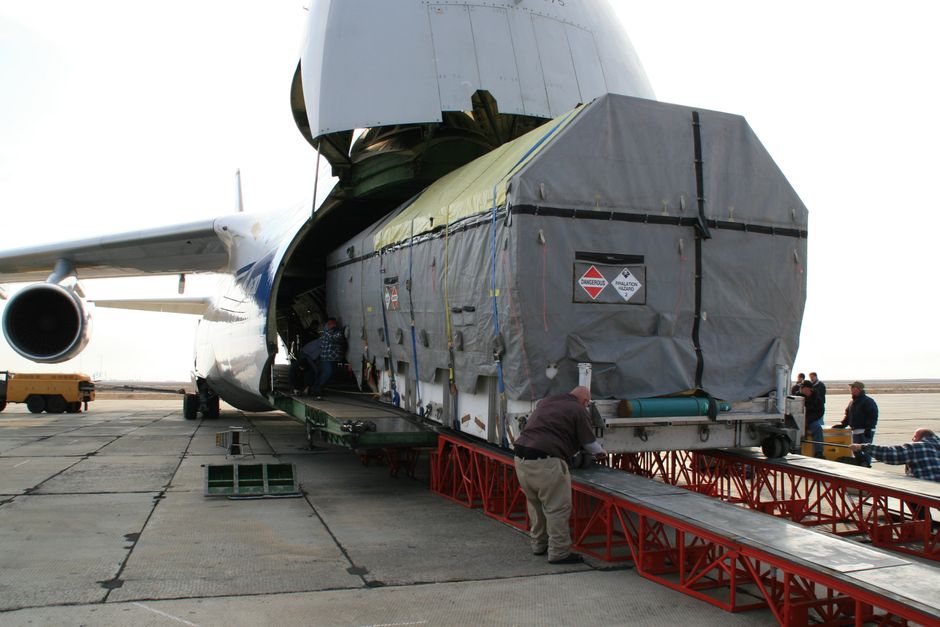
This crisis forces a fundamental reassessment of supply chain strategy for the MENA telecom sector, which has historically depended on efficient maritime routes from Asian manufacturing hubs.
- Diversification of Logistics Corridors: Operators and distributors must develop multi-modal, multi-route contingency plans. This includes evaluating land bridges via Saudi Arabia’s Vision 2030 transport projects, such as the Saudi Landbridge and GCC Railway, and securing pre-negotiated air freight capacity for priority shipments.
- Regional Warehousing and Inventory Buffers: The era of lean inventories is under threat. Strategic stockpiling of critical network spares and high-demand devices in regional logistics hubs like Dubai’s Jebel Ali Port, Saudi Arabia’s King Abdullah Economic City (KAEC), or Egypt’s Suez Canal Zone will become a necessary cost of doing business to ensure network uptime and sales continuity.
- Local Assembly and Manufacturing: The crisis provides a renewed impetus for initiatives like Saudi Arabia’s “Made in Saudi” program and the UAE’s “Operation 300bn” industrial strategy. Incentivizing local assembly or final configuration of network equipment, smartphones, and IoT devices could mitigate long-term supply chain risk. Partnerships between global OEMs and local industrial players are likely to accelerate.
- Re-evaluation of Vendor and Partner Risk: Procurement teams will increasingly score vendors and distributors on their supply chain resilience and contingency planning, not just on unit price. Partners with robust regional logistics networks, owned warehousing, and flexible freight options will gain a competitive advantage.
Forward Look: Building Geopolitics into Telecom Network Planning
The Redington case is not an isolated incident but a symptom of a new reality where geopolitical flashpoints directly intersect with critical telecommunications infrastructure. The Houthi attacks on shipping in the Red Sea in 2023-2024 were a precursor; the Gulf conflict represents an escalation with even more severe consequences for a chokepoint that handles nearly a third of the world’s seaborne oil and a major share of container traffic. For the telecom industry, this mandates a shift in strategic planning.
Network resilience must now encompass physical supply chain resilience. This involves stress-testing deployment timelines against multiple disruption scenarios, diversifying supplier geographies beyond traditional hubs, and potentially accepting higher inventory carrying costs as an insurance premium. Furthermore, the role of satellite connectivity as a complementary, logistics-independent technology may see increased investment for backhaul and enterprise services in hard-to-reach areas. Ultimately, the ability to keep networks running and growing in the face of such disruptions will become a key differentiator for operators and a critical component of national security for governments across the MENA region and beyond. The cost of air freight today may well be the catalyst for a more resilient—and possibly more regionalized—telecom supply chain tomorrow.
About the Author