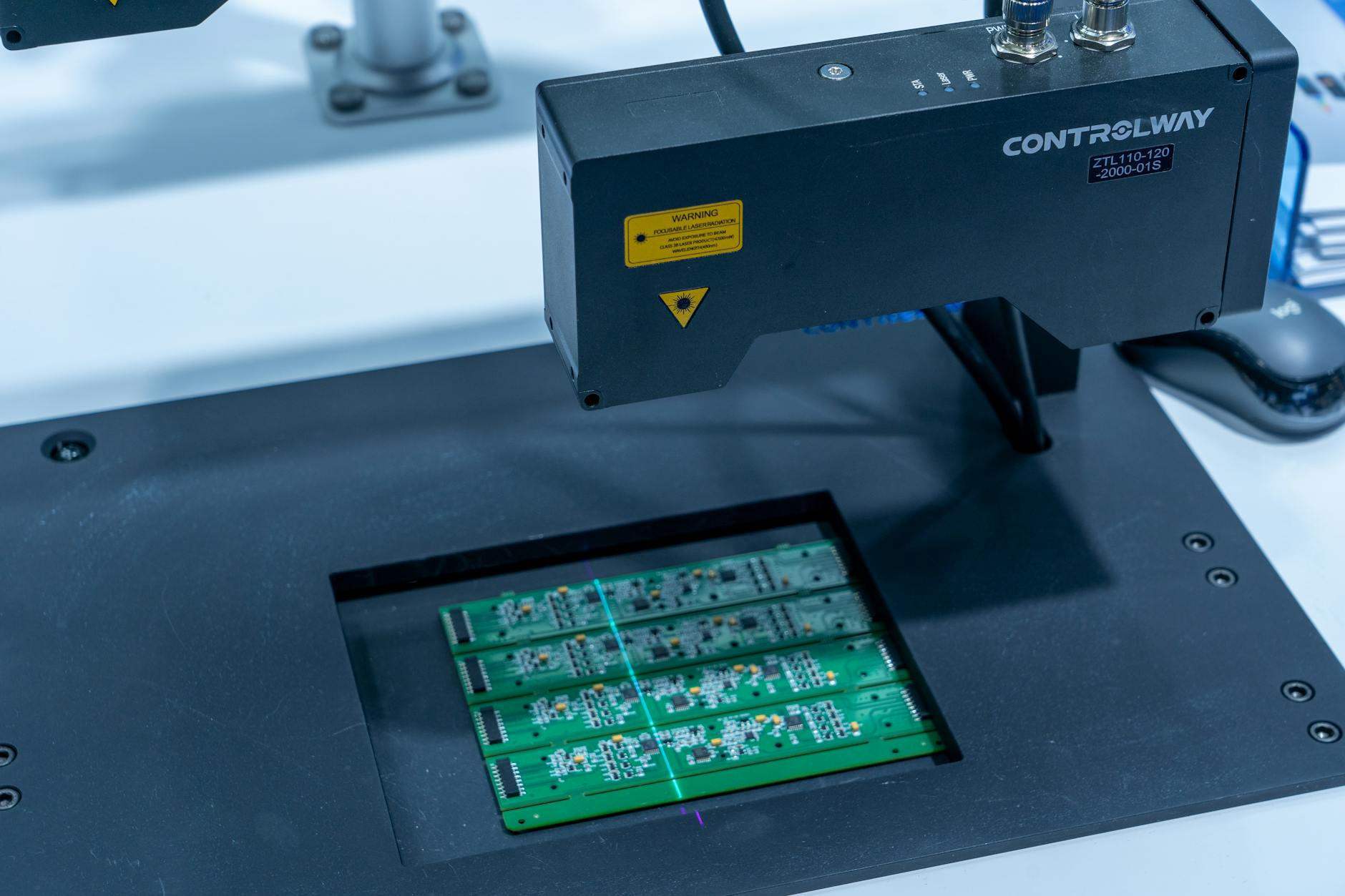
Cyient DLM Limited, the advanced electronic manufacturing services (EMS) arm of the global engineering and technology solutions conglomerate Cyient, has appointed industry veteran Ramakanth Alapati as its President & Chief Strategy and Growth Officer, according to an official announcement on May 19, 2026, reported by ETTelecom. The strategic hire, effective immediately, places a seasoned executive with deep expertise in scaling advanced manufacturing at the helm of the company’s expansion plans. Alapati’s mandate is explicitly targeted at high-growth sectors critical to telecom infrastructure, namely data centers, artificial intelligence (AI), next-generation computing, and adjacent technologies. This move signals a significant ramp-up in Cyient DLM’s ambitions to become a pivotal global supplier of sophisticated hardware for the burgeoning demand in digital infrastructure, directly impacting supply chains for telecom operators, hyperscalers, and network equipment manufacturers (NEMs).
The appointment underscores a clear industry trend: the convergence of telecom, cloud, and AI is creating unprecedented demand for specialized, high-reliability electronic assemblies. From power-dense AI server racks and optical transceivers for data center interconnects (DCI) to 5G Open RAN radio units and edge computing modules, the physical layer of the digital economy requires manufacturing precision, scalability, and supply chain resilience. Cyient DLM, with its focus on high-mix, low-to-medium volume, and complex system integration, is positioning itself to capture this wave. Alapati’s background—spanning leadership roles at multinationals like Flex and Aequs—brings a proven track record in operational excellence, global customer engagement, and navigating the intricate supply chain dynamics that define the telecom and tech hardware landscape.
Technical and Operational Deep Dive: The Manufacturing Imperative for Next-Gen Networks
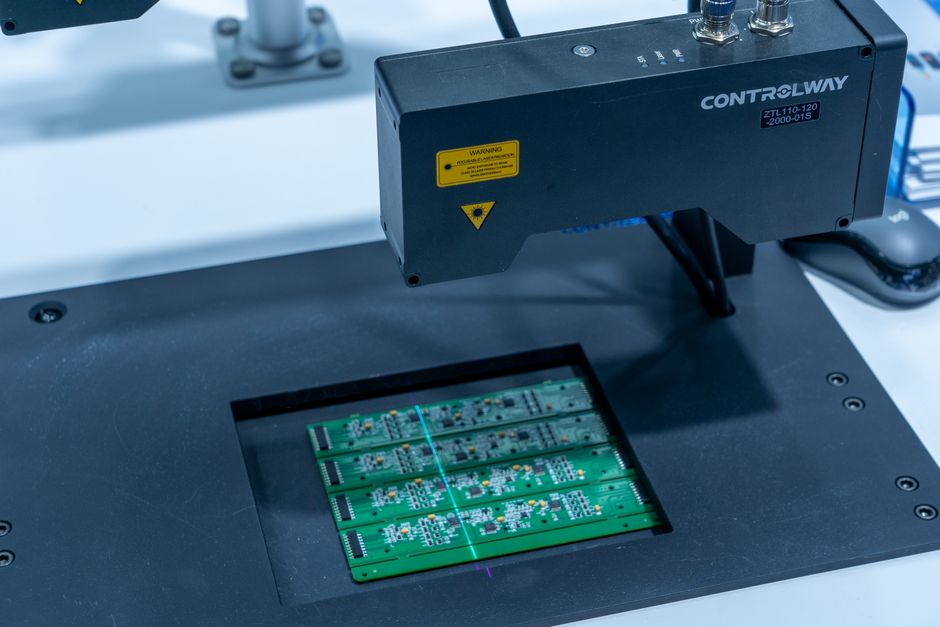
Cyient DLM’s core competency lies in end-to-end electronic manufacturing services, encompassing printed circuit board assembly (PCBA), box-build assembly, cable harnesses, and full product integration. Its facilities in India are equipped for surface-mount technology (SMT), through-hole assembly, and conformal coating, serving industries with stringent quality requirements like aerospace, defense, medical, and industrial IoT. The telecom and data center sector represents a strategic adjacency with parallel demands for reliability, thermal management, and signal integrity, but at vastly higher volumes and with aggressive cost-down pressures.
Alapati’s specialization in “scaling advanced manufacturing capabilities” is not a generic term. For telecom infrastructure, it translates to several concrete operational shifts:
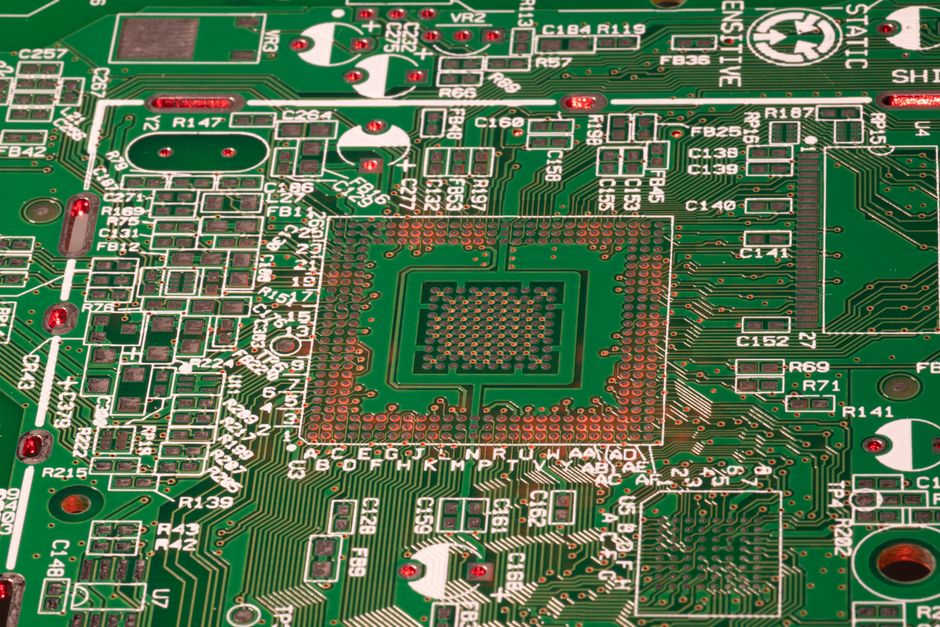
- High-Density Interconnect (HDI) and Advanced Substrates: AI servers and 5G mmWave radios require complex, multi-layer PCBs with fine-pitch components. Scaling manufacturing for these requires significant investment in precision placement machines, automated optical inspection (AOI), and X-ray verification systems.
- Thermal Management Solutions: Power densities in AI accelerators and high-performance switches are pushing thermal design to its limits. Advanced manufacturing must integrate liquid cold plates, vapor chambers, and specialized thermal interface materials at scale, moving beyond traditional air cooling.
- Supply Chain De-risking and Localization: The geopolitical fragmentation of tech supply chains, particularly for critical components like GPUs, advanced ASICs, and optical engines, requires a manufacturing partner with global logistics expertise and the ability to qualify alternate component sources without compromising quality or performance.
- Integration of Photonics: The next frontier for data center and long-haul telecom is silicon photonics. Scaling the manufacturing of co-packaged optics (CPO) and pluggable optical modules (e.g., 800G, 1.6T) requires cleanroom environments and hybrid assembly processes that bridge electronics and photonics.
Cyient DLM’s public commitment to investing in “Industry 4.0” technologies—IoT-enabled machinery, digital twins, and AI-driven predictive maintenance—aims to achieve the agility and quality consistency needed to serve hyperscale customers who operate on just-in-time (JIT) inventory models and have near-zero tolerance for field failures.
Industry Impact: Reshuffling the Global EMS Landscape for Telecom Hardware

The appointment is a direct challenge to the established hierarchy of global EMS players like Jabil, Sanmina, Foxconn (Hon Hai), and Benchmark Electronics, who have long dominated the supply of telecom infrastructure hardware. It also positions Cyient DLM as a formidable alternative to regional specialists in Europe and North America. For telecom operators (OpCos) and network equipment manufacturers (NEMs), this increased competition and capacity diversification offers several strategic advantages:
- Diversified Sourcing and Reduced Concentration Risk: Over-reliance on a handful of EMS giants, particularly those with major manufacturing bases in a single region, creates supply chain vulnerabilities. A credible, scaled-up Indian EMS player provides geographic and supplier diversification, a key consideration post-pandemic and amid ongoing trade tensions.
- Cost Innovation: India’s manufacturing ecosystem offers a compelling total cost of ownership (TCO) proposition, combining skilled engineering talent with competitive operational costs. For NEMs under constant pressure to reduce capital expenditure (CapEx) on hardware like radio access network (RAN) equipment and optical line terminals (OLTs), a partnership with Cyient DLM could unlock new cost structures.
- Agility for Innovation Cycles: The rapid iteration cycles in Open RAN, AI inferencing at the edge, and specialized data center processing units (DPUs, IPUs) require manufacturing partners capable of rapid new product introduction (NPI) and flexible low-to-medium volume production. Cyient DLM’s stated model aligns well with this need for agility over sheer mass production volume.
- Strategic Partnerships for NEMs: Rather than being mere contract manufacturers, advanced EMS providers are becoming strategic partners in co-development. Alapati’s role will likely involve forging deeper, collaborative relationships with NEMs to co-design hardware for specific use cases, such as energy-efficient macro sites or compact edge data centers.
Regional and Strategic Implications: India’s Ascent in the Global Telecom Hardware Value Chain

This move is emblematic of a larger, strategic shift: India’s concerted push to move up the value chain from software and services to high-value hardware manufacturing. The Indian government’s Production Linked Incentive (PLI) schemes for telecom and networking products, IT hardware, and electronics have created a fertile policy environment. Cyient DLM, as a publicly listed Indian company, is poised to capitalize on these incentives to build world-class capacity.
The implications for the broader African and MENA telecom markets are significant. These regions are experiencing massive digital infrastructure builds—from terrestrial fiber backbones and 5G rollouts to hyperscale data center construction. Historically, hardware has been sourced from East Asia, Europe, or North America. The emergence of a large-scale, quality-focused manufacturing hub in India offers a geographically and potentially logistically advantageous alternative.
- Shorter Supply Lines for Africa/MENA: Sourcing 4G/5G radios, FTTH customer premises equipment (CPE), or data center rack components from India could reduce lead times and shipping costs compared to trans-Pacific or trans-Atlantic routes.
- Localization and ‘Make in Region’ Initiatives: Many African nations have local content requirements. Cyient DLM’s model and expertise could support joint ventures or technology transfers to establish assembly operations within Africa, aligning with regional industrialization goals.
- Cost-Effective Network Expansion: For OpCos in price-sensitive growth markets, access to competitively manufactured, high-quality hardware is essential for achieving network coverage and capacity goals within financial constraints. A robust Indian EMS sector increases competitive pressure on incumbent suppliers, potentially driving down global equipment costs.
Furthermore, the focus on AI and data center hardware is prescient. As AI workloads proliferate, demand for AI-optimized infrastructure will explode not just in core US markets, but in regions like the Middle East (e.g., Saudi Arabia’s Vision 2030, UAE’s AI strategy) and major African economies. Being a manufacturing partner for this global build-out positions Cyient DLM at the center of the next decade’s most critical infrastructure investment cycle.
Forward-Looking Analysis: Capacity, Competition, and the Convergence Roadmap
The success of Cyient DLM’s strategy under Alapati’s leadership will hinge on execution in three key areas: capacity scaling, technology partnerships, and capturing design wins. The company will need to make substantial capital expenditures to match the scale and automation of tier-1 EMS players. It must also forge tight technology partnerships with key semiconductor vendors (NVIDIA, Intel, Broadcom, Marvell) and optical component makers to secure supply and early access to reference designs.
For the telecom industry, the broader takeaway is the intensifying focus on the physical hardware layer as a source of competitive advantage and innovation. As software-defined networking (SDN) and network function virtualization (NFV) mature, the differentiation increasingly returns to the efficiency, density, and intelligence of the underlying hardware. Companies that master the advanced manufacturing of this hardware—from chip to chassis—will wield significant influence.
Ramakanth Alapati’s appointment is more than a C-suite change; it is a market signal. It indicates that Cyient DLM is moving aggressively to become a principal enabler of the global digital infrastructure build-out, directly impacting the cost, availability, and innovation trajectory of the hardware that powers every byte of data flowing through telecom networks, data centers, and AI clusters. Network operators, investors, and equipment vendors should monitor the company’s capacity announcements and customer wins closely, as they will be a leading indicator of shifting dynamics in the global telecom hardware supply chain.
About the Author