
Deutsche Telekom’s Hrvatski Telekom Deploys Private 5G SA at Three Croatian Airports, Securing €7.3M EU Funding
📰Original Source: Deutsche TelekomSource: Deutsche Telekom announced on February 19, 2026, that its Croatian subsidiary, Hrvatski Telekom, is deploying private 5G Standalone (SA) networks at Zagreb, Zadar, and Pula airports. The project, branded “NextGen 5G Airports,” has secured €7.3 million in co-financing from the EU’s…
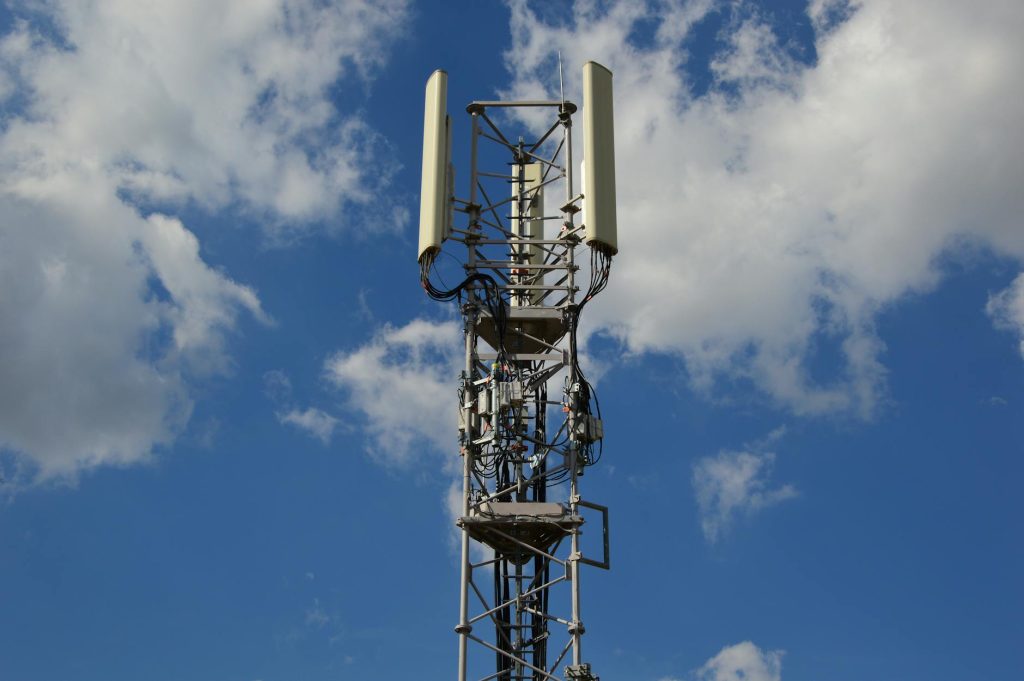
Source: Deutsche Telekom announced on February 19, 2026, that its Croatian subsidiary, Hrvatski Telekom, is deploying private 5G Standalone (SA) networks at Zagreb, Zadar, and Pula airports. The project, branded “NextGen 5G Airports,” has secured €7.3 million in co-financing from the EU’s Connecting Europe Facility (CEF) Digital program, positioning it as a flagship European case study for critical infrastructure digitalization using sovereign, licensed spectrum.
This deployment represents a significant strategic move for Deutsche Telekom Group, showcasing a replicable enterprise model that combines licensed spectrum, a full 5G SA core, edge computing, and AI-driven applications. The move directly targets the high-value, high-stakes airport operations market, a segment ripe for digital transformation with stringent requirements for ultra-reliable low-latency communication (URLLC), security, and operational sovereignty. For telecom operators globally, the project validates the revenue potential of moving beyond public 5G coverage to selling integrated, mission-critical private network solutions to vertical industries.
Technical Architecture and Deployment Scope

Hrvatski Telekom is implementing a comprehensive private 5G SA architecture across the three airport sites. The core technical differentiator is the use of licensed spectrum in the 3.6-3.8 GHz range, allocated by the Croatian regulatory body, HAKOM. This provides guaranteed quality of service, interference-free operation, and enhanced security compared to shared or unlicensed spectrum solutions like Citizens Broadband Radio Service (CBRS) or Wi-Fi.
The network core is a fully isolated, on-premise 5G SA platform. This architecture delivers the essential 5G capabilities—network slicing, ultra-low latency, and massive device density—that are not fully realizable on a non-standalone (NSA) public network reliant on a 4G core. Edge computing nodes are colocated with the core, enabling real-time data processing for applications like AI-based video analytics and autonomous vehicle control without backhaul latency to a central cloud.
The initial use cases are operationally critical:
- AI-Enhanced Perimeter Security: High-definition cameras stream video over the 5G network to edge servers running AI models for real-time intrusion detection, object recognition, and anomaly detection, replacing manual patrols.
- Digital Airside Inspections: Inspection vehicles and personnel are equipped with connected devices (tablets, sensors) to report runway conditions, foreign object debris (FOD), and maintenance issues in real-time, with data instantly available to central operations.
- Smart Ground Handling Coordination: The network facilitates real-time communication and location tracking for baggage tugs, fuel trucks, catering vehicles, and boarding stairs, optimizing turn-around times and preventing collisions.
The project scope involves deploying hundreds of 5G small cells and antennas across the expansive, complex terrain of the airports, including terminals, aprons, runways, and perimeter fences.
Industry Impact: A Blueprint for Operator-Led Private Networks

The “NextGen 5G Airports” project is a strategic blueprint for how integrated telecom operators (ITOs) can compete against pure-play private network vendors and system integrators. Hrvatski Telekom is not merely providing connectivity; it is acting as a full-service digital transformation partner, responsible for the end-to-end solution: spectrum rights, network design, hardware deployment, core software, edge integration, application enablement, and ongoing management.
This has several key implications for the telecom industry:
- Revenue Diversification: It moves the operator’s business model from selling SIM cards and data plans to selling high-margin, multi-year managed service contracts based on operational outcomes (improved safety, efficiency).
- Spectrum Advantage: It leverages the operator’s unique asset—licensed spectrum—as a competitive moat. Enterprises cannot easily replicate this, giving operators a decisive edge over Wi-Fi 6/7 or unlicensed LTE solutions in performance-critical scenarios.
- EU Sovereignty Agenda: The €7.3 million CEF Digital grant is a powerful signal. The European Commission is actively funding projects that utilize EU-based infrastructure and adhere to its digital sovereignty and cybersecurity frameworks. This creates a favorable regulatory and financial environment for incumbent operators with national licenses.
- Competitive Threat to Vendors: While vendors like Nokia, Ericsson, and Mavenir provide the underlying radio and core technology, the operator’s deep integration and customer relationship position it as the prime contractor. This could squeeze the service revenues of network vendors seeking direct enterprise deals.
For airport authorities, the operator-led model offers a single point of accountability, regulatory compliance through licensed spectrum, and integration with the operator’s wider national infrastructure for potential hybrid public-private scenarios.
Regional and Strategic Implications for European and Global Telecoms

Croatia’s adoption positions it as a leading testbed in Southeast Europe for advanced 5G enterprise applications. The success of this project is likely to catalyze similar deployments in other regional transport hubs—seaports, rail yards, logistics centers—and other critical national infrastructure (CNI) sectors like energy and manufacturing.
For Deutsche Telekom Group, this is a showcase for its pan-European strategy. The Group can replicate this model through its other national subsidiaries—T-Mobile US, T-Mobile Poland, Magyar Telekom, etc.—creating a standardized, scalable offering for the global aviation and transport sector. It demonstrates the group’s ability to execute complex, multi-site industrial IoT projects, a key growth area as consumer mobile revenue growth plateaus.
Globally, this project intensifies the race for the private 5G market, estimated to be worth tens of billions annually. It shows that incumbent operators, if they move aggressively, can capture the high end of the market. It also raises the bar for performance; future airport tenders will likely specify 5G SA with licensed spectrum as a requirement. This puts pressure on operators in regions with slower spectrum allocation for private networks or those overly reliant on public network slicing.
Furthermore, the AI and edge computing components highlight the convergence of telecom and IT. The real value is in the data and automation layer on top of the network. Operators must build or partner for these capabilities—a shift from bit-pipe provider to AI-driven operations platform.
Forward-Looking Analysis: The Runway to 6G and Autonomous Operations

The Croatian airport deployment is not an end state but a foundational step. The private 5G SA network is the digital backbone upon which more advanced applications will be built. The immediate roadmap likely includes integrating autonomous guided vehicles (AGVs) for baggage handling, deploying digital twins of the airport for simulation and planning, and expanding AI analytics to predictive maintenance of infrastructure.
Long-term, this infrastructure paves the way for seamless integration with advanced air mobility (AAM) and drone operations for inspections and deliveries, which will require even more precise positioning and communication reliability. The network’s architecture is inherently forward-compatible with future 6G developments, which will focus on fusing sensing, communication, and AI.
For the telecom sector, the key takeaway is that the battle for enterprise 5G is being won not with marketing but with proven, complex deployments in demanding environments. Deutsche Telekom, through Hrvatski Telekom, has secured a powerful reference customer funded in part by the EU. This sets a precedent: the future of operator revenue growth lies in building, owning, and operating the intelligent, private digital infrastructure that underpins the modern economy. Other operators must accelerate their vertical integration strategies or risk being relegated to wholesale capacity providers in this high-growth segment.