Elon Musk’s Telecom Infrastructure Play: Analyzing the Power and Network Demands of Tesla, X, and xAI
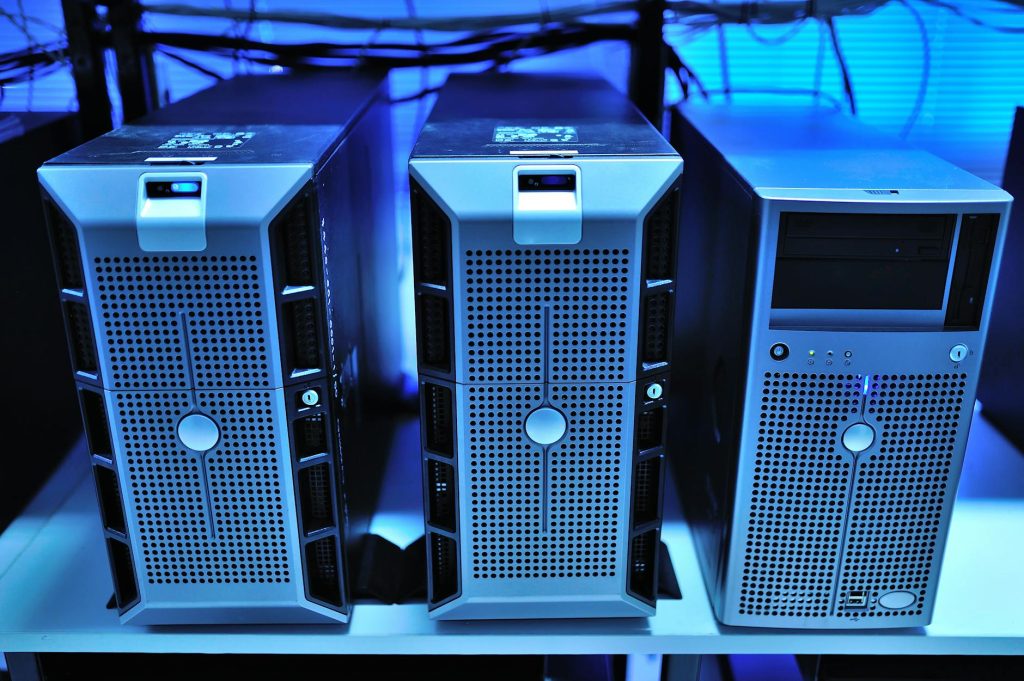
Source: Dgtl Infra – Elon Musk’s Data Centers: Tesla, Dojo, X (Twitter), xAI. The massive compute infrastructure powering Elon Musk’s portfolio of companies is reshaping wholesale power procurement and creating unprecedented demand for hyperscale data center connectivity and low-latency networks. For telecom operators and infrastructure investors, this represents a new class of customer with unique requirements that will influence network architecture, fiber routes, and regional data center development for years to come.
Unpacking the Technical Footprint: From Dojo Supercomputers to AI Training Clusters
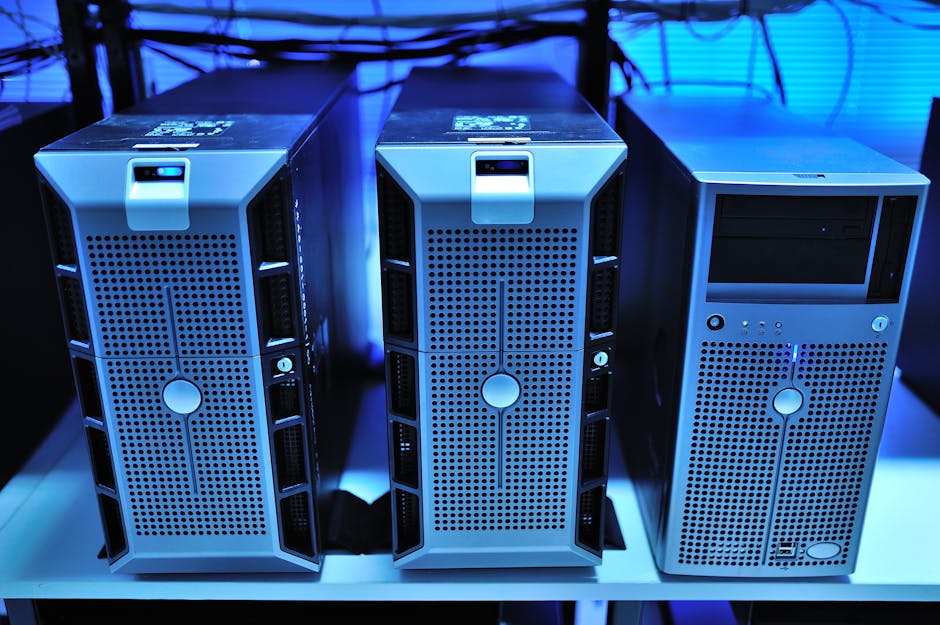
The infrastructure needs of Tesla, X, and xAI are not merely large; they are architecturally distinct and push the boundaries of current data center design. Tesla’s Dojo supercomputer project is a primary driver. Designed in-house for video processing and AI training for autonomous driving, Dojo represents a move away from traditional GPU clusters like NVIDIA’s. The first Dojo cluster, ExaPOD, came online at Tesla’s Palo Alto data center in 2023. Each Dojo cabinet (D1 Tile) integrates 25 D1 chips, with 120 tiles forming an ExaPOD. This system is estimated to consume between 10 to 15 megawatts (MW) of power per cluster, with plans for seven clusters potentially pushing a single site’s demand to over 100 MW.
Simultaneously, xAI, Musk’s generative AI venture, is building a 100,000-unit H100 GPU cluster. This “Gigafactory of Compute,” as Musk termed it, is one of the largest single AI training clusters in the world. Each NVIDIA H100 GPU has a Thermal Design Power (TDP) of up to 700 watts. A cluster of this magnitude, when accounting for supporting infrastructure like networking and cooling, can easily demand 50-70 MW of power. This infrastructure is reportedly being built across multiple locations, including a primary facility at the Tesla Gigafactory in Austin, Texas, and potentially leveraging existing X (formerly Twitter) data center space in Atlanta, Georgia.
For network engineers, the interconnection fabric within these clusters is as critical as the compute. Dojo utilizes a proprietary interconnect, while xAI’s GPU cluster relies on NVIDIA’s NVLink and InfiniBand networking, requiring ultra-high-bandwidth, low-latency switching within the data hall. The external connectivity demand is equally staggering. Training models on petabytes of data from X’s platform or Tesla’s fleet requires constant, high-volume data ingestion. This translates to a need for multiple 100 Gigabit Ethernet (GbE) or even 400 GbE waves from diverse fiber providers, creating a major anchor tenancy opportunity for backbone operators.
Industry Impact: Power Markets, Wholesale Colocation, and Network Strategy

Elon Musk’s companies are effectively acting as hyperscalers, but with a vertical integration twist that disrupts traditional procurement models. Their impact on the telecom and infrastructure sector is multi-faceted:
1. Power Procurement as a Core Competency: The combined power demand of these projects is estimated to reach several hundred megawatts. This scale forces Musk’s companies to engage directly with utilities, independent power producers, and renewable energy developers, often seeking preferential rates and dedicated grid connections. For colocation providers hoping to host this workload, the bar for power availability, density (kW/rack), and sustainability guarantees has been raised significantly. Facilities offering 40-50 kW per rack and direct access to renewable Power Purchase Agreements (PPAs) are now the baseline for consideration.
2. Rethinking Colocation and Build-to-Suit: While xAI may use traditional colocation space, Tesla’s Dojo and integration with Gigafactory operations point toward a preference for owned, build-to-suit facilities. This mirrors the strategy of other tech giants but with a focus on industrial adjacency. For data center REITs (Digital Realty, Equinix) and wholesale providers (QTS, CyrusOne), the opportunity lies in providing large, contiguous powered shells (“hyperscale shells”) in strategic markets like Texas, Nevada, and the Midwest, where Musk’s industrial operations are concentrated.
3. Network Demands and the Rise of AI Fabrics: The network is the nervous system of AI training. The need to move vast datasets between storage, pre-processing nodes, and GPU/Dojo clusters creates immense demand for internal data center networking (DCN). This benefits vendors like Cisco, Arista, and NVIDIA (Mellanox). Externally, these sites become prime candidates for direct cloud on-ramps (AWS Direct Connect, Google Cloud Interconnect, Azure ExpressRoute) and private network interconnects (PNIs) to other AI partners or cloud providers. Telecom operators with dense fiber networks in these regions—such as Zayo, Lumen, and AT&T—are positioned to sell high-capacity, low-latency dark fiber and wavelength services.
Regional and Strategic Implications: Focus on Texas and Global Expansion
The geographic concentration of this infrastructure has profound implications for regional telecom markets, particularly in North America and potential future expansions.
Texas as the Epicenter: Austin has emerged as a central hub. The Tesla Gigafactory there is a site for both vehicle production and potential xAI compute deployment. This drives demand for robust fiber connectivity between Austin’s data center clusters and the Gigafactory site. Providers like Crown Castle, with extensive metro fiber in Texas, and newer entrants building long-haul routes through the state, are critical enablers. The power grid managed by ERCOT (Electric Reliability Council of Texas) is under scrutiny, as the addition of hundreds of megawatts of compute load could strain capacity during peak periods, influencing site selection toward areas with newer substations and transmission lines.
Global Ripple Effects: Tesla’s global manufacturing footprint suggests potential future compute deployments near Gigafactories in Berlin, Germany, and Shanghai, China. Each location presents unique challenges. In Europe, Berlin’s data center market would need to accommodate high-density, high-power loads, requiring upgrades to local power infrastructure and fiber networks. In China, xAI’s operations would likely require partnership with a local entity and would depend on China’s domestic data center and network providers, potentially favoring sites in existing AI hubs like Beijing or Shenzhen.
Satellite Convergence: A longer-term strategic implication is the convergence with SpaceX’s Starlink low-earth orbit (LEO) satellite network. Musk has hinted at using Starlink for global AI inference distribution. This could create a unique edge computing paradigm where AI models trained in centralized Texas data centers are deployed globally via satellite-connected micro-data centers or directly to user terminals. For telecom operators, this presents both a competitive threat in remote connectivity and a potential partnership opportunity for ground station connectivity and edge site hosting.
Forward-Looking Analysis: The New AI-Driven Infrastructure Paradigm

The infrastructure build-out by Musk’s companies is a leading indicator of a broader shift in the telecom and data center landscape. We are moving from an era of cloud-centric hyperscale expansion to an AI-first infrastructure paradigm. This new paradigm prioritizes three elements above all: immense power density, unparalleled internal network bandwidth, and strategic geographic placement for talent, energy sourcing, and industrial synergy.
For network operators, the opportunity is not just in providing raw bandwidth but in offering managed, performance-guaranteed fabrics that connect AI training clusters to data sources (like X’s social graph) and to inference endpoints. The rise of AI will accelerate the adoption of 800GbE and 1.6TbE optical interfaces, pushing coherent optics deeper into the data center.
For regulators and policymakers, especially in regions like Africa and the MENA region seeking to attract AI investment, the lesson is clear: reliable, abundant, and affordable electricity is the non-negotiable foundation. Coupled with open-access fiber optic networks and supportive data governance policies, this could position certain markets as future hubs for AI compute, not just consumption.
In conclusion, Elon Musk’s ventures are constructing what may become the world’s most powerful privately-held AI compute stack. The telecom and digital infrastructure required to support this ambition is vast and specialized. It will force upgrades in power grids, create massive demand for fiber and interconnection, and likely spur innovation in liquid cooling and energy-efficient data center design. For the industry, Musk’s build-out is both a blueprint and a challenge, signaling that the future of network infrastructure will be measured in exaflops and megawatts, not just megabits and milliseconds.