In a direct appeal to global policymakers, Nvidia CEO Jensen Huang has called on G20 digital economy ministers to prioritize the construction of national AI infrastructure, framing it as a critical path to sovereign capability and economic growth. Speaking at the G20 Digital Economy Ministers’ Meeting, Huang argued that nations must invest aggressively in data centers and the underlying connectivity fabric to harness AI’s potential, while cautioning against premature overregulation and misplaced fears over job displacement. For telecom operators, infrastructure investors, and network engineers, this is not merely a Silicon Valley talking point; it is a clarion call for the next massive wave of capex, demanding unprecedented scale in power, fiber, and low-latency interconnect.
Deconstructing the “AI Infrastructure” Stack: More Than Just GPUs

When Huang speaks of “AI infrastructure,” the immediate association is with the GPU-dense data centers powering large language models. However, for the telecom sector, the infrastructure stack is far more expansive and integral. It comprises three foundational layers, each presenting distinct opportunities and challenges for network operators.
The first is the compute and power layer. Modern AI clusters, like those built on Nvidia’s Blackwell platform, are not merely servers but power-hungry, heat-generating behemoths. A single rack of high-end AI accelerators can draw over 100 kilowatts, compared to the 5-10 kW typical of traditional cloud servers. This necessitates a complete re-engineering of data center design, focusing on liquid cooling, ultra-high-density power distribution (often exceeding 50 kW per rack), and strategic siting near abundant, reliable, and preferably green energy sources. For telecom operators with existing data center assets, this represents both a retrofit challenge and a greenfield opportunity to build specialized AI-ready facilities.
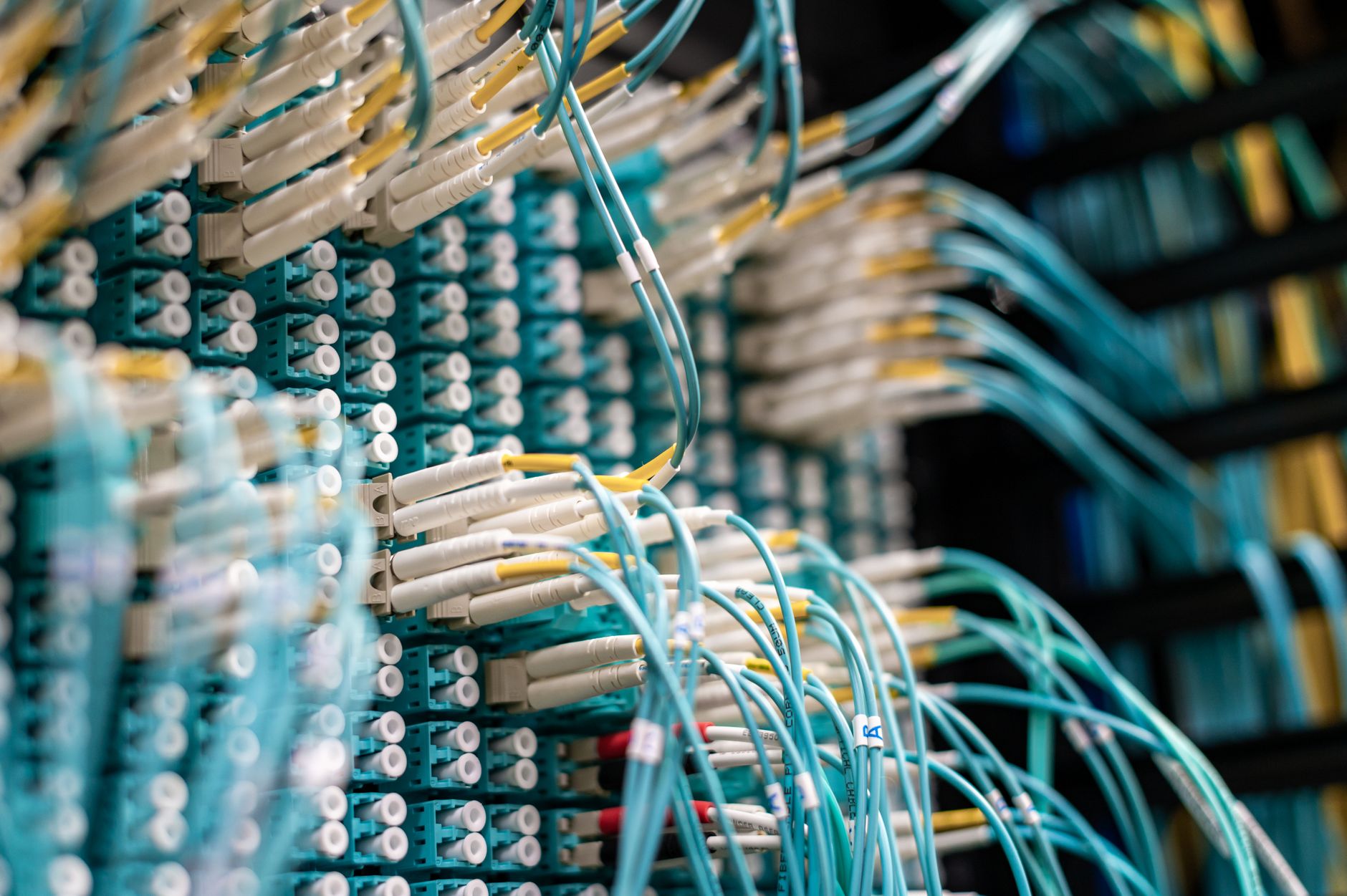
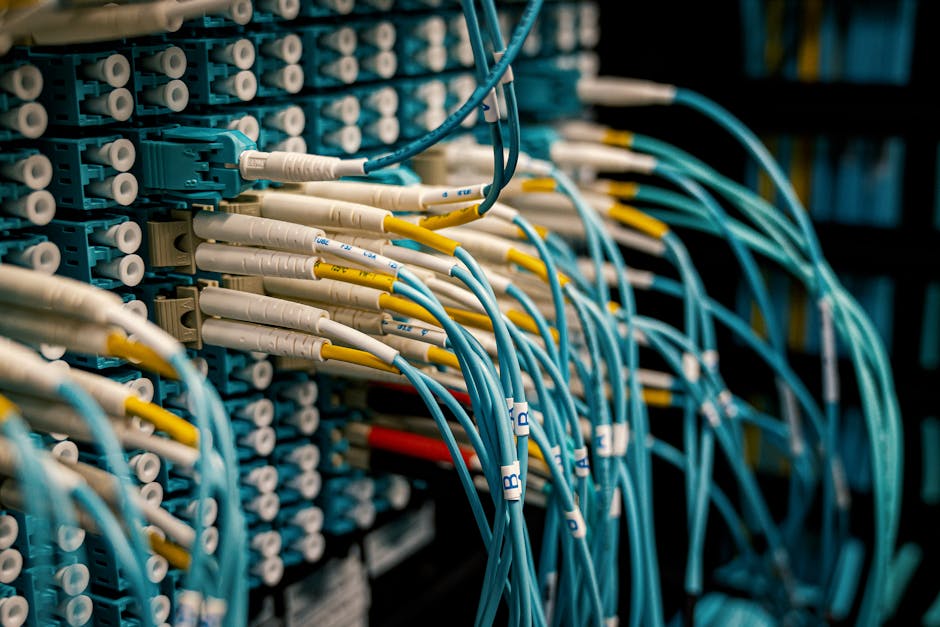
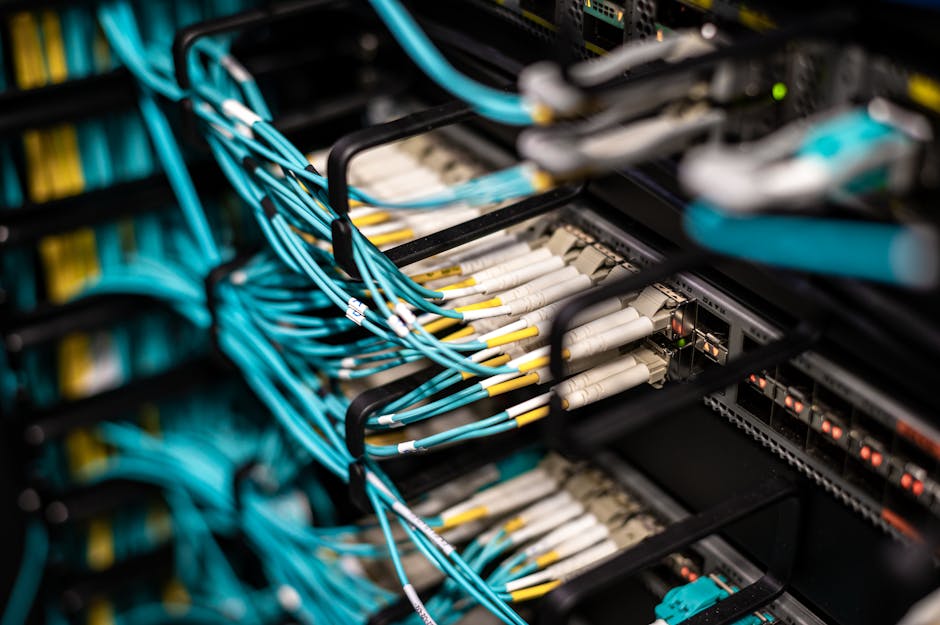
The second layer is the interconnect and fabric layer. The performance of a distributed AI training cluster is gated not just by GPU speed but by the bandwidth and latency between nodes. Huang’s vision implicitly demands a leap in data center networking from 100/400 Gigabit Ethernet to 800G and soon 1.6 Terabit speeds, alongside the adoption of InfiniBand for high-performance computing (HPC) clusters. This creates massive demand for high-count fiber cabling, advanced optical transceivers, and low-latency switching. More critically, it elevates the importance of inter-data center links (DCI). AI workloads are increasingly distributed across geographic regions for resilience, data sovereignty, and access to diverse power grids, making dark fiber and high-capacity wavelength services between major hubs a premium product.
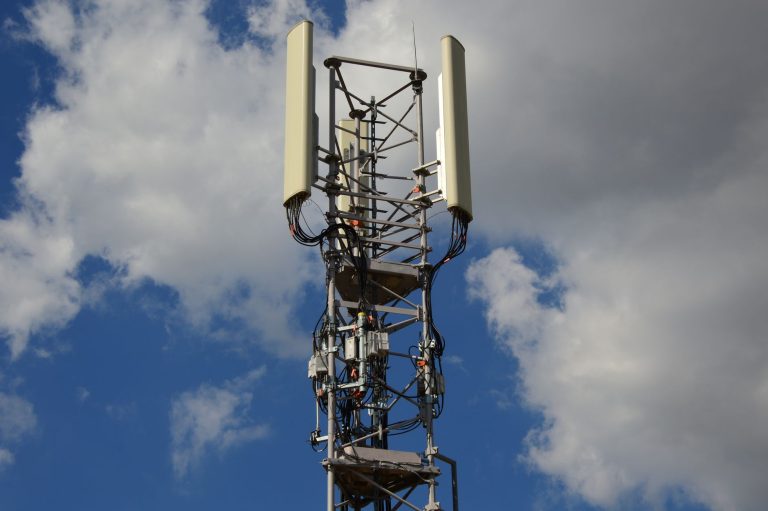
The third and most telecom-centric layer is the national connectivity and edge layer. Sovereign AI capability isn’t confined to a few mega-data centers. It requires high-bandwidth, low-latency networks to connect research institutions, enterprises, and government agencies to these AI factories. Furthermore, the inference phase of AI—where trained models deliver services—will increasingly happen at the network edge to reduce latency for applications like autonomous systems and real-time translation. This validates and accelerates investments in 5G Advanced and future 6G networks, fiber-to-the-premises (FTTP), and edge computing nodes. Telecom operators are uniquely positioned to provide this seamless, nationwide fabric that links core AI compute to end-users.
Impact on Telecom Operators and Infrastructure Players

The push for national AI infrastructure will fundamentally reshape telecom business models and investment priorities. We see five immediate areas of impact.
1. Data Center Strategy & Specialization: The era of the generic colocation facility is fading. Operators like STC (Saudi Arabia), e& (UAE), and MTN Group (Africa) are already pivoting to build hyperscale-ready and AI-optimized data centers. The demand is for facilities with power densities above 40 kW/rack, direct access to multiple subsea cable landing stations, and robust fiber backhaul. This isn’t just about real estate; it’s about becoming a strategic partner in the AI value chain. Operators who can offer “AI-as-a-Service” platforms, combining their cloud infrastructure with connectivity, will capture higher margins.
2. Network Upgrade Imperative: Backbone networks will require continuous augmentation. AI data replication and model synchronization generate petabyte-scale east-west traffic within and between data centers. Telecom operators must plan for annual capacity growth of 30-50% on key routes, driving investment in new fiber builds, C+L band expansion on existing DWDM systems, and coherent optics upgrades. The move to 800G ZR/ZR+ pluggables for DCI is no longer a future roadmap item but a present-day requirement for any operator serving major cloud regions.
3. The Power Conundrum and Green Mandate: AI’s insatiable appetite for electricity—projected to reach 3-4% of global demand by 2030—places telecom operators at the center of the energy transition. Operators are becoming major procurers of renewable power through Power Purchase Agreements (PPAs) and are investing in on-site generation (solar, fuel cells) and advanced battery storage to ensure grid stability. This transforms the telecom operator’s role into that of a de facto energy manager, a competency that will be as critical as network engineering.
4. New Wholesale and Enterprise Services: The AI boom creates a new class of wholesale customer: AI cloud providers and large enterprises building private AI clusters. Their needs are specific: dedicated, low-jitter wavelength services between specific data centers, high-bandwidth cloud on-ramps (like AWS Direct Connect, Azure ExpressRoute), and secure, high-throughput access to public AI APIs. For the enterprise market, operators can bundle high-speed SD-WAN or private 5G connections with access to GPU resources in nearby edge locations, creating integrated “AI-Network” solutions.
5. Regulatory and Partnership Dynamics: Huang’s warning against overregulation is a signal to the telecom sector as well. Operators must engage proactively with regulators to shape policies on data localization, spectrum for AI-driven IoT, and fair access to infrastructure. Simultaneously, partnerships are key. We are witnessing a convergence between telecom operators (providing the network), hyperscalers (providing the AI platform), and semiconductor firms (providing the silicon). Strategic alliances, like those between Nvidia and various telcos for AI-powered radio access networks (RAN), will become commonplace.
Regional Implications: A Strategic Imperative for Africa and MENA
The call for sovereign AI infrastructure carries particular weight for regions like Africa and the Middle East & North Africa (MENA), which have historically been consumers rather than producers of digital technology. Huang’s message underscores a critical opportunity to leapfrog and build self-reliant digital economies.
In the MENA region, nations like Saudi Arabia and the United Arab Emirates have declared national AI strategies and are investing billions. The Saudi Data and AI Authority (SDAIA) aims to make the Kingdom a global AI leader by 2030. This translates into massive contracts for local telecom operators. stc’s recent expansion of its data center portfolio through a joint venture with TAS (Telecom Advanced Systems) and its investment in submarine cables like the Africa-1 and 2Africa systems are directly aligned with this AI infrastructure vision. Similarly, e&’s partnership with Microsoft Azure and its focus on edge computing across the UAE are foundational moves. The region’s advantage lies in its financial resources, strategic geographic position as a connectivity hub between East and West, and increasing focus on solar energy—a key enabler for sustainable AI compute.
For Africa, the challenge is greater but the potential payoff is transformative. AI can optimize agriculture, healthcare diagnostics, and financial inclusion. However, the continent suffers from a scarcity of tier-3+ data centers, unreliable power grids, and high-cost international bandwidth. Building AI infrastructure here requires a holistic approach. Operators like MTN, Orange, and Liquid Intelligent Technologies are at the forefront. Liquid’s 100,000+ km fiber network across Africa is the digital roadway upon which AI data can travel. The key will be to develop regional AI hubs—perhaps in South Africa, Kenya, Nigeria, and Egypt—that pool resources, attract investment, and connect via high-capacity terrestrial and subsea fiber. Initiatives like the African Continental Free Trade Area (AfCFTA) should explicitly include digital infrastructure and data flow protocols to enable this. The alternative is a new form of dependency, where African data is shipped to foreign servers for processing, incurring latency, cost, and sovereignty issues.
Globally, this creates a new axis of digital geopolitics. Nations with robust AI infrastructure—encompassing domestic semiconductor capacity (where possible), green energy, dense fiber, and skilled talent—will wield significant economic and strategic influence. Telecom networks are the central nervous system of this new infrastructure.
Forward-Looking Analysis: The Telecom Network as an AI Utility
Jensen Huang’s G20 intervention is a definitive marker that the AI era is an infrastructure era. For the telecom sector, the implications are profound and long-term. We are moving towards a model where the telecom network is not just a pipe for AI applications but an intelligent, programmable substrate that is deeply integrated with the compute layer.
In the near term (1-3 years), expect a surge in investment in AI-ready data centers, 800G backbone upgrades, and strategic partnerships between telcos and AI silicon/software giants. The competitive landscape will favor integrated operators who control both fiber assets and data center real estate.
In the medium term (3-7 years), AI will begin to operate the network itself. We will see widespread deployment of AI-native radio access networks (AI-RAN) for dynamic spectrum sharing and energy savings, AI-driven fiber network fault prediction, and AI-optimized traffic engineering across global submarine cable systems. The network will become self-healing and self-optimizing, dramatically reducing operational costs.
Ultimately, the vision Huang articulates—of nations empowered by their own AI infrastructure—will only be realized if the underlying telecom networks are built with the scale, intelligence, and resilience to match. The message to telecom CEOs, network architects, and infrastructure investors is clear: The blueprint for the next decade of growth is being drawn at the intersection of photons, electrons, and algorithms. The time to build is now.
About the Author