Premium Apple Partner Unicorn Targets ₹5,000 Cr Revenue via 150-Store India Expansion, Telecom Implications
📰Original Source: ETTelecomUnicorn Infosolutions Unveils Major Retail Expansion, Targeting ₹5,000 Crore Revenue with Apple FocusPhoto by Basit Manzoor Source: ETTelecom, June 11, 2026. Telecom Insight: Premium Apple partner Unicorn Infosolutions has announced a massive retail expansion plan, aiming to add 150 new stores across India…

Unicorn Infosolutions Unveils Major Retail Expansion, Targeting ₹5,000 Crore Revenue with Apple Focus

Source: ETTelecom, June 11, 2026. Telecom Insight: Premium Apple partner Unicorn Infosolutions has announced a massive retail expansion plan, aiming to add 150 new stores across India over the next few years to drive a 35% revenue surge to ₹5,000 crore. This aggressive strategy, driven by co-founder Baljinder Paul Singh, underscores the intense competition in India’s premium device retail and enterprise mobility market. For telecom operators and network infrastructure providers, the move signals a deepening integration of high-end consumer electronics with core connectivity services, creating new demand for in-store network performance, enterprise mobility solutions, and B2B partnerships.
Deep Dive: Unicorn’s Expansion Strategy and Telecom-Device Synergy

Unicorn Infosolutions, a key player in India’s Apple Authorized Reseller ecosystem, is executing a phased expansion targeting Tier 1 and Tier 2 cities. The company currently operates over 100 stores and plans to scale to 250+ outlets. The projected revenue jump from approximately ₹3,700 crore to ₹5,000 crore represents a significant capital deployment into retail real estate, supply chain logistics, and workforce training. Crucially, this expansion is not limited to consumer iPhone sales. Unicorn is actively targeting the enterprise and business-to-business (B2B) segment, selling Apple’s MacBook Neo and other devices into corporate environments. This aligns with a broader telecom industry trend where device lifecycle management, enterprise mobility, and unified endpoint management (UEM) are converging with traditional mobile network operator (MNO) services.
From a technical standpoint, each new store represents a discrete point of high-bandwidth demand. Modern Apple retail experiences rely heavily on seamless connectivity for device setup, software updates, iCloud services, and accessory demonstrations featuring Bluetooth, Wi-Fi 6E/7, and Ultra Wideband. Store infrastructure requires robust, low-latency fiber backhaul and high-density Wi-Fi. Furthermore, the push into B2B sales necessitates integration with enterprise IT systems, mobile device management (MDM) platforms, and secure network access—areas where telecom operators and managed service providers can forge strategic partnerships.
Industry Impact: Opportunities for Telecom Operators and Infrastructure Players

Unicorn’s expansion creates direct and indirect opportunities across the telecom value chain:
- Enterprise Mobility & B2B Partnerships: Telecom operators with strong enterprise divisions (like Airtel Business, Jio Enterprise, Vodafone Idea’s Vi Business) can partner with Unicorn to bundle connectivity with Apple device purchases. Offers could combine 5G data plans, dedicated APN services, IoT connectivity for Apple devices, and managed security services into a single enterprise contract. This moves beyond simple device financing into integrated “Device-as-a-Service” (DaaS) and “Connectivity-as-a-Service” models.
- Network Infrastructure Demand: The rollout of 150 stores will necessitate new fiber drops, increased leased line capacity, and potentially edge computing nodes to support in-store applications and inventory management systems. Infrastructure providers like Sterlite Tech, Tejas Networks, and global players can benefit from this incremental demand for last-mile and backbone capacity.
- In-Store Experience & Private Networks: To ensure flawless customer experiences, Unicorn may explore deploying private cellular networks (4G/LTE or 5G) within large-format stores or flagship locations. This would guarantee connectivity independent of public network congestion, enabling high-bandwidth applications like augmented reality (AR) product demos. Telecom operators can offer these private network solutions as a managed service.
- Competitive Dynamics with MNO Retail: Major Indian operators like Reliance Jio and Bharti Airtel operate their own extensive retail chains (Jio Stores, Airtel Stores) which also sell smartphones, including iPhones. Unicorn’s expansion as a specialized, premium-focused retailer intensifies competition in the high-margin device segment, potentially pressuring MNOs to enhance their own retail offerings, postpaid plan bundling, and trade-in programs.
Strategic Implications for India’s Telecom and Digital Ecosystem

Unicorn’s ambitious plan is a microcosm of India’s broader digital transformation, where premium device adoption, retail expansion, and network upgrades are interlinked. This development has several strategic implications:
- 5G Monetization: High-end devices like the latest iPhones are key drivers for 5G service adoption and Average Revenue Per User (ARPU) uplift. A wider, premium retail footprint accelerates the installed base of 5G-capable devices, giving operators a larger addressable market for their 5G SA (Standalone) network services and enhanced mobile broadband (eMBB) plans.
- Supply Chain & Logistics Networks: Supporting a national retail chain of this scale requires a sophisticated logistics and inventory management system, likely leveraging cloud platforms and IoT for real-time tracking. This generates demand for secure, reliable M2M (Machine-to-Machine) connectivity and IoT modules, a growth area for telecom operators.
- Regulatory Considerations: As device retail and telecom services become more intertwined, regulatory bodies like the Telecom Regulatory Authority of India (TRAI) and the Department of Telecommunications (DoT) may need to scrutinize bundling practices, device locking, and competitive fairness in the retail channel.
- Rural & Semi-Urban Connectivity: Expansion into Tier 2 cities brings premium devices and services to new demographics, potentially increasing data consumption patterns in these regions and justifying further network infrastructure investments by telcos to meet the elevated quality of service expectations of these users.
Forward-Looking Analysis: The Convergence of Retail, Devices, and Networks
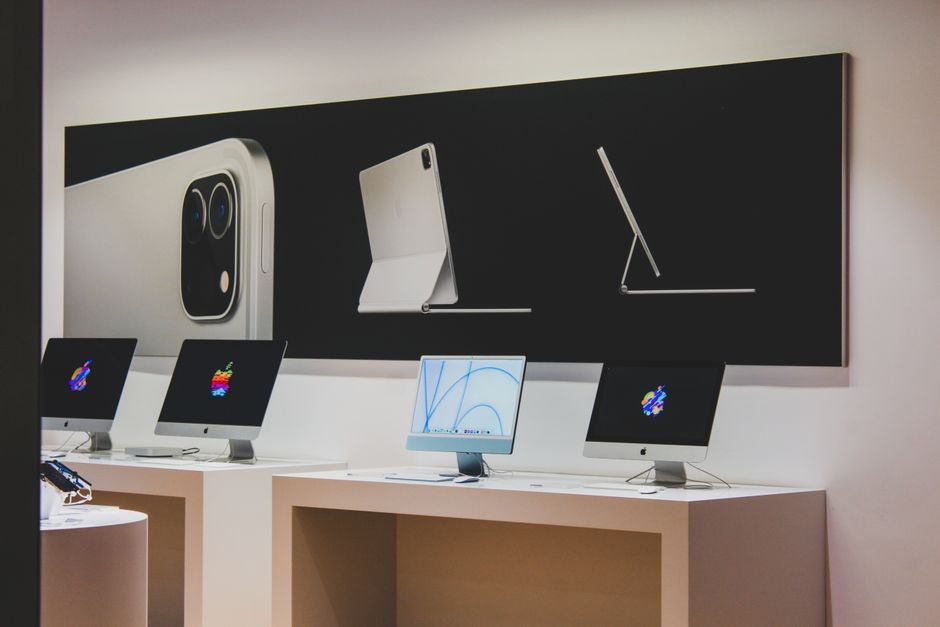
Unicorn Infosolutions’ planned growth is more than a retail story; it is a signal of the deepening convergence between device ecosystems, retail experiences, and underlying telecom networks. The future battleground for telecom operators is not just network coverage but the entire customer journey, from device discovery and purchase to activation, ongoing usage, and support. Operators that can strategically partner with or effectively compete against specialized retailers like Unicorn will capture greater value in the premium segment.
Looking ahead, we anticipate increased collaboration between device retailers and network operators on trade-in programs, exclusive launch events, and integrated digital services. The store itself evolves from a point of sale to a connectivity showcase and service hub. For infrastructure investors, the continuous expansion of premium retail networks underscores the evergreen demand for high-quality fiber and wireless backhaul. In summary, Unicorn’s ₹5,000 crore ambition is a tangible indicator of the vibrant, competitive, and increasingly integrated state of India’s telecom and digital device landscape, where every new storefront is also a node on the network.