Vintage Tech Preservation Boom Signals Urgent Need for Digital Heritage Strategy in Telecom
📰Original Source: ETTelecomVintage Tech Preservation Boom Signals Urgent Need for Digital Heritage Strategy in Telecom Source: ETTelecom, August 10, 2026 – “As AI grips world, the thrill of collecting vintage computers is growing.” The rapid global proliferation of artificial intelligence and cloud-native infrastructure is fueling…
Vintage Tech Preservation Boom Signals Urgent Need for Digital Heritage Strategy in Telecom
Source: ETTelecom, August 10, 2026 – “As AI grips world, the thrill of collecting vintage computers is growing.”
The rapid global proliferation of artificial intelligence and cloud-native infrastructure is fueling a parallel, critical movement: the preservation of foundational computing and networking hardware. According to a recent report from ETTelecom, a thriving global community of collectors and restoration specialists is actively salvaging, restoring, and cataloging vintage computers and telecommunications equipment, from 1970s mainframes to early internet routers. This isn’t merely nostalgia; it represents a vital effort to preserve the physical artifacts of the digital revolution, creating a living archive of the protocols, architectures, and hardware that underpin today’s multi-trillion-dollar telecom and internet economy. For network operators, equipment vendors, and regulators, this trend underscores a glaring gap in long-term digital heritage strategy and poses urgent questions about preserving the operational knowledge and physical blueprints of legacy systems still embedded within critical national infrastructure.
The Technical and Market Drivers Behind the Vintage Telecom Hardware Renaissance
The surge in interest for vintage computing and networking gear is driven by converging technical, cultural, and commercial factors. On a technical level, systems like the Xerox Alto (1973), the IBM System/360, and early Digital Equipment Corporation (DEC) PDP and VAX series are not just obsolete machines; they are the direct ancestors of modern graphical user interfaces, time-sharing operating systems, and networked computing. The restoration process itself is a deep technical dive, often requiring reverse-engineering of proprietary components, fabrication of replacement parts using modern CNC and 3D printing, and the resurrection of software from decaying magnetic media.
Organizations like the Vintage Computer Federation (VCF) and the Computer History Museum have formalized this effort, hosting events where restored machines are demonstrated running original software. From a telecom-specific perspective, this extends to early packet-switching hardware, PBX systems, analog modems, and first-generation cellular base stations. The market value of rare, functional units has skyrocketed. For instance, a fully operational Apple I computer recently sold at auction for over $400,000, while sought-after pieces of telecom history, like an original AT&T Bell Labs Unix machine or a functioning Northern Telecom DMS-100 digital switch, command significant premiums from institutional collectors and museums.
This movement is accelerating precisely because the generation of engineers who designed and operated these systems is retiring. The tacit knowledge of how to boot a system from paper tape, debug a core memory module, or interpret the blinking lights on an Arpanet Interface Message Processor (IMP) is at risk of being lost forever. The rise of AI, with its opaque, software-defined layers, has created a cultural counterpoint—a desire to interact with deterministic, understandable hardware where every transistor’s function can, in principle, be traced.
Impact on Telecom Operators and Infrastructure Strategy

For active telecom network operators (OpCos), this preservation trend is more than a historical curiosity; it has direct implications for network resilience, vendor management, and regulatory compliance. A significant portion of the global telecom core—especially in legacy voice networks, transport backhaul, and power grid control systems—still relies on hardware and software platforms that are now considered “vintage.”
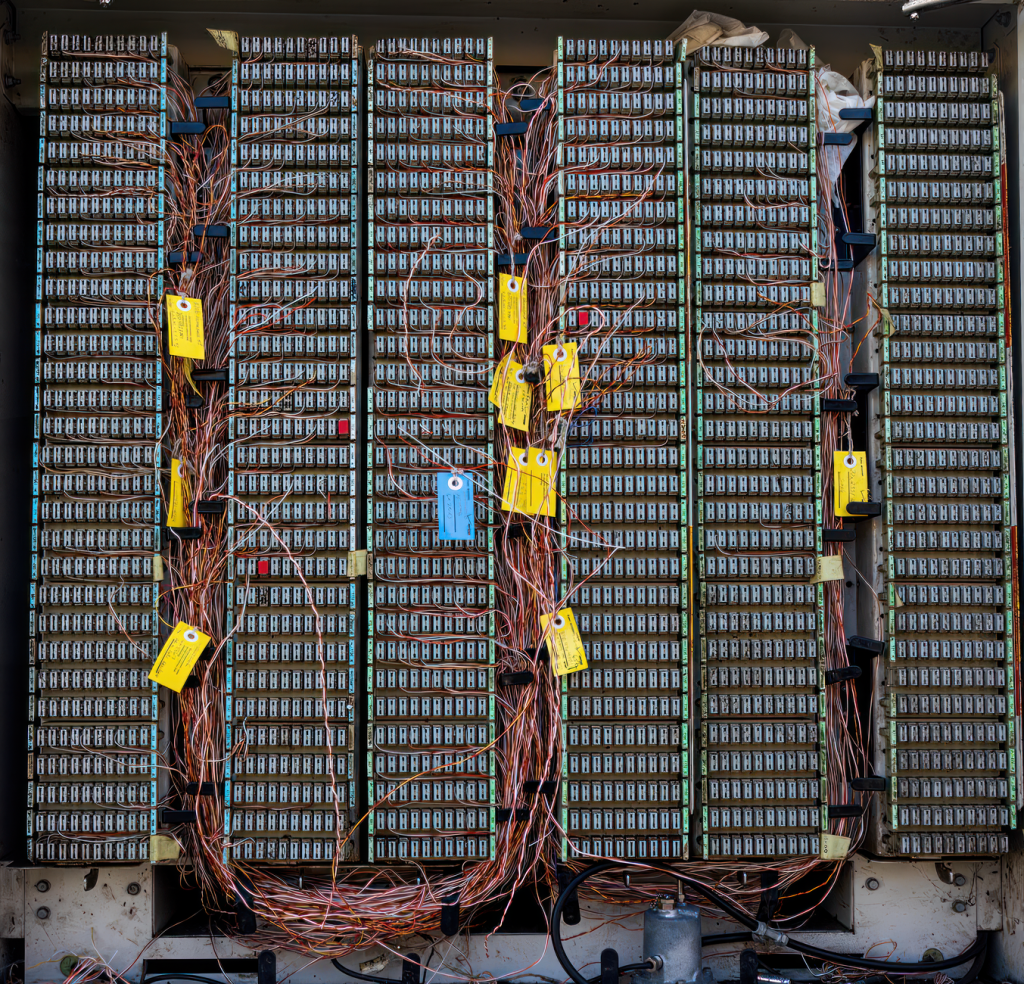
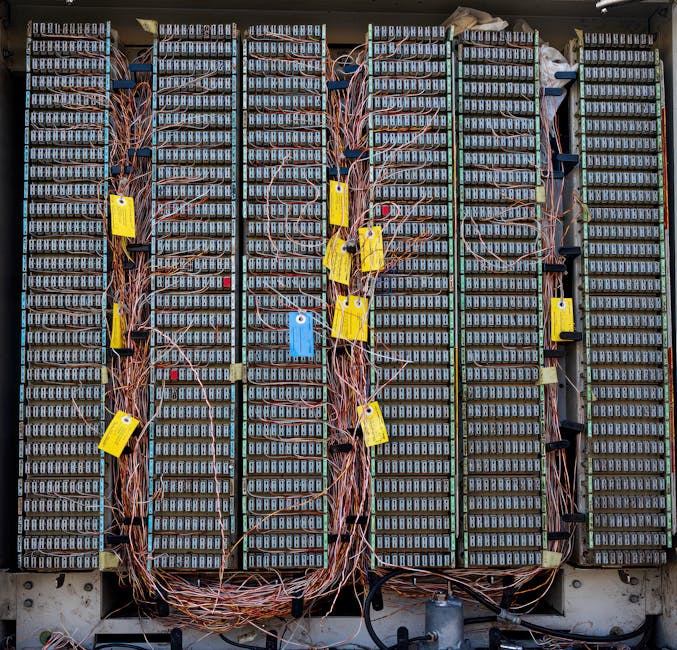
1. Legacy System Maintenance and Knowledge Drain: Many operators, particularly in developing regions and incumbent national carriers, maintain legacy TDM switches, SONET/SDH transport gear, and early-generation mobile network controllers. The OEMs may have long ceased support, and spare parts are unavailable through official channels. The community of vintage hardware enthusiasts has inadvertently become a reservoir of practical knowledge and a gray market for salvaged components. Network engineers tasked with keeping a 1990s Ericsson AXE switch or an Alcatel 1633 SXC operational are increasingly turning to online forums and specialist collectors for schematics, diagnostic procedures, and donor boards.
2. Security and Compliance Risks: Running unsupported vintage systems poses inherent security risks, as they are vulnerable to exploits that will never be patched. However, decommissioning them is often prohibitively expensive or technically impossible due to dependencies with other systems. Understanding the precise operational parameters and failure modes of this equipment, often documented only in physical manuals preserved by collectors, is crucial for risk assessments and disaster recovery planning mandated by regulators.
3. Strategic Vendor Lock-in and Obsolescence Planning: The current vendor landscape for Open RAN, cloud-native cores, and AI-driven network management creates new forms of lock-in. Studying the architecture of vendor-agnostic, modular systems from the 1970s and 80s can provide valuable lessons for today’s architects designing for future-proofing and interoperability. Operators should view vintage tech preservation not as a hobby, but as a component of a long-term technology strategy, potentially funding internal “living history” labs or partnering with museums to archive and document their own retiring network infrastructure.
Regional Implications: Africa, MENA, and the Global South’s Dual Reality

The implications of the vintage tech preservation movement are particularly acute in the telecom markets of Africa, the Middle East and North Africa (MENA), and the Global South. These regions present a dual reality: rapidly deploying 5G standalone cores and fiber-to-the-home networks alongside extensive legacy infrastructure that must remain in service for economic and social inclusion reasons.
In many African nations, second- and third-hand telecom equipment from decommissioned European and Asian networks forms the backbone of rural and suburban coverage. GSM base stations from the early 2000s, microwave radio links, and copper-based subscriber loop carriers are not museum pieces but active, revenue-generating assets. The skills to maintain this equipment are becoming rarer, and the informal networks of technicians who keep it running are the unsung heroes of connectivity. The organized vintage computing community in the West could serve as a model for creating formalized knowledge transfer and parts ecosystems in these regions, turning ad-hoc repair into a sustainable practice.
Furthermore, the concept of digital sovereignty extends to understanding the technological lineage of a nation’s infrastructure. Countries aiming to develop indigenous equipment manufacturing, such as India’s push for 4G/5G stacks or various Middle Eastern sovereign tech funds, have a vested interest in preserving and studying the evolution of network technology. A nation that cannot maintain its own legacy systems is vulnerable to external pressure during upgrades. Establishing national archives for telecom technology, perhaps in partnership with operators like MTN, Safaricom, STC, or e&, could secure critical intellectual property and operational knowledge as a strategic resource.
Forward-Looking Analysis: Integrating Heritage into Telecom’s Future

The burgeoning vintage tech scene is a canary in the coal mine for the telecom industry. It highlights the sector’s failure to systematically preserve its own engineering heritage, a heritage that is directly relevant to current challenges like supply chain resilience, open standards, and sustainable lifecycle management. Looking forward, several developments are likely:
Institutional Collaboration: Expect to see formal partnerships between telecom operators, equipment vendors like Nokia, Ericsson, and Huawei, and cultural heritage institutions. These could take the form of “equipment retirement with dignity” programs, where decommissioned hardware is documented, stripped of sensitive data, and donated to accredited museums or technical universities for research and education.
Emulation as a Service (EaaS): The software emulation of vintage hardware, driven by the enthusiast community, will evolve into a commercial and operational tool. Operators could use high-fidelity emulations of legacy network elements for training new engineers, testing migration paths, or even creating “digital twins” of retired systems for forensic security analysis.
Regulatory Mandates for Documentation: National regulators, particularly those concerned with critical infrastructure resilience, may begin to require operators to submit detailed technical documentation and operational manuals for retiring network systems to a national archive as a condition of license renewal or decommissioning approval.
The race toward AI-driven, fully automated networks makes the lessons encoded in physical, vintage hardware more valuable, not less. For the telecom industry, the message from the collectors is clear: preserving the past is not an obstacle to innovation, but a prerequisite for building a future that is secure, sovereign, and truly understood.