Nvidia Launches RTX Spark Chip for AI PCs, Reshaping Edge Compute and Telecom Demand
📰Original Source: ETTelecomNvidia has unveiled its next-generation RTX Spark chip, a system-on-a-chip (SoC) designed to power a new category of AI-ready personal computers, at the Computex 2026 conference in Taipei. According to a report by ETTelecom, the chip integrates a new Vera CPU, Blackwell GPU…
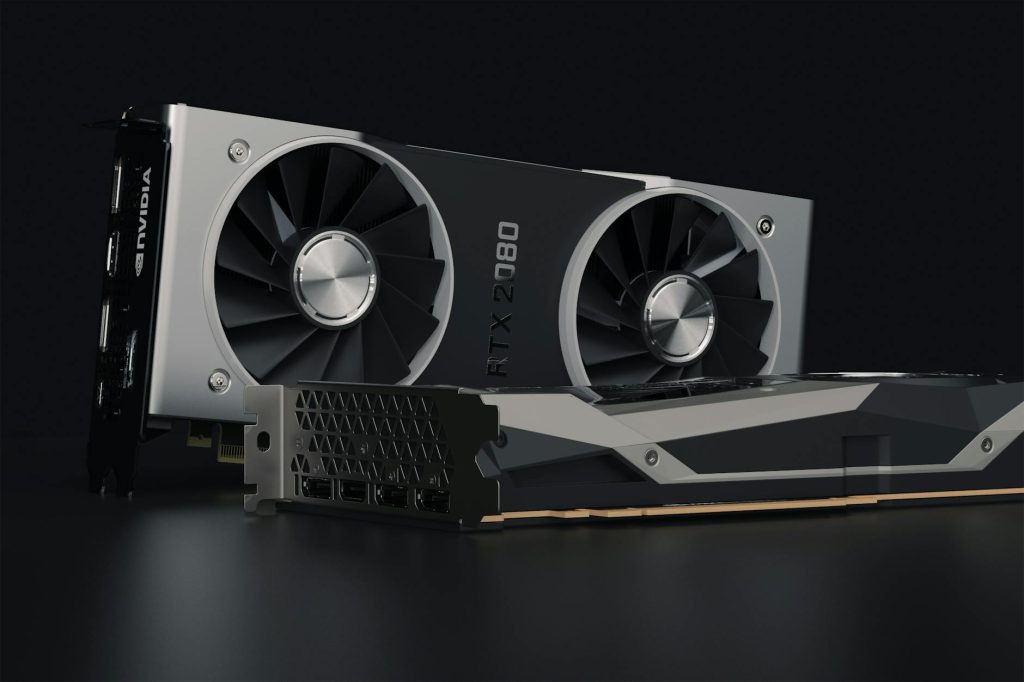
Nvidia has unveiled its next-generation RTX Spark chip, a system-on-a-chip (SoC) designed to power a new category of AI-ready personal computers, at the Computex 2026 conference in Taipei. According to a report by ETTelecom, the chip integrates a new Vera CPU, Blackwell GPU architecture, and a dedicated Neural Processing Unit (NPU) to deliver unprecedented on-device AI performance, with initial systems from OEM partners like Asus and MSI slated for release in Q4 2026. For telecom operators and network infrastructure providers, this marks a critical inflection point: the acceleration of edge AI compute directly into end-user devices will fundamentally alter data traffic patterns, increase demand for high-bandwidth, low-latency connectivity, and intensify the strategic importance of distributed edge data centers.
Technical Deep Dive: The RTX Spark Architecture and Its Telecom Implications
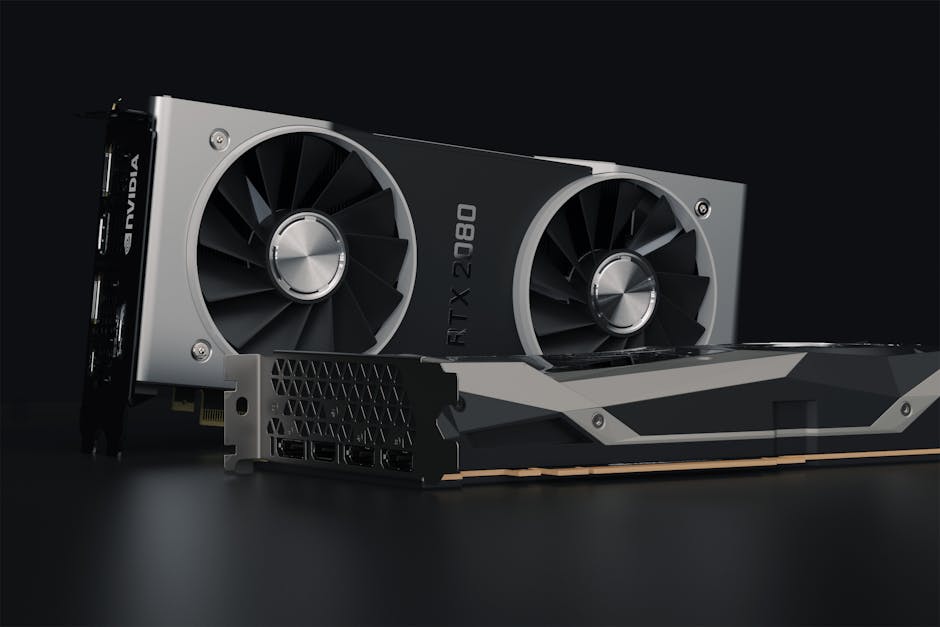
The Nvidia RTX Spark is not merely a component upgrade; it’s an architectural blueprint for the AI-native endpoint. Its tri-core design combines the new Vera CPU for general-purpose computing, a Blackwell-generation GPU for parallel processing and graphics, and a dedicated NPU reportedly capable of over 1000 TOPS (Trillions of Operations Per Second) for AI inference. This level of localized processing power enables what Nvidia CEO Jensen Huang termed “AI agents”—persistent, context-aware applications that can operate continuously without constant cloud dependency.
From a telecom infrastructure perspective, this has several concrete ramifications. First, it shifts the computational burden for latency-sensitive AI tasks—such as real-time language translation, video analytics, and augmented reality overlays—from centralized cloud regions to the device itself. This reduces the need for sub-10ms round-trip latency to a distant data center for these specific functions, potentially alleviating some strain on mobile core networks and international backhaul. However, it simultaneously creates a new paradigm of “burst” traffic. These AI PCs will still require massive, periodic data synchronization, model updates, and access to vast cloud-based foundational models, generating unpredictable, high-volume data transfers that will stress aggregation networks and require intelligent traffic management from operators.
Industry Impact: Network Strategy, Edge Data Centers, and Operator Partnerships

The proliferation of AI-capable endpoints like those powered by the RTX Spark will force a strategic recalculation for telecom operators (telcos), mobile network operators (MNOs), and infrastructure players. The role of the network evolves from a pure data pipe to an intelligent fabric connecting distributed intelligence nodes.
For telcos, this underscores the urgency of deploying advanced 5G-Advanced and early 6G networks with enhanced uplink capabilities and network slicing. AI PCs will generate significant uplink traffic as they send processed data, queries, and context to the cloud or to other edge nodes. Network slicing will be essential to guarantee performance for AI agent traffic alongside other services. Furthermore, operators with extensive fiber-to-the-premises (FTTP) networks, particularly in high-density urban and enterprise corridors, are poised to benefit, as these fixed networks offer the stable, high-throughput backhaul required for seamless AI PC operation.
Infrastructure companies, especially those investing in edge data centers, will see renewed demand. While some processing moves to the device, the supporting cloud and inference-optimized edge cloud layers become more critical than ever. AI PCs will rely on a hybrid architecture, offloading complex training and large-batch inference to nearby micro-data centers or central offices rearchitected as network edge hubs. This presents a direct opportunity for tower companies and colocation providers to host GPU-equipped edge infrastructure, reducing latency for the synchronization tasks mentioned earlier.
Regional Implications: Accelerating Digital Dividends in Africa and MENA

The advent of powerful, locally-processing AI PCs carries distinct implications for telecom markets in Africa and the Middle East and North Africa (MENA) region. In areas with limited or expensive international bandwidth and underdeveloped hyperscale cloud presence, on-device AI can deliver advanced applications—in education, healthcare, agriculture—without a constant, high-quality connection to a distant cloud region. This could accelerate digital inclusion and the development of locally-relevant AI applications.
However, it also highlights existing infrastructure gaps. To truly unlock the potential of these devices, robust national and metropolitan fiber networks are non-negotiable for handling model updates and data backups. This will intensify pressure on governments and regulators to accelerate fiber rollouts and spectrum allocation for high-capacity mobile broadband. For Middle Eastern operators, particularly in Gulf Cooperation Council (GCC) nations with strong fiber and 5G footprints, AI PCs represent a premium service tier opportunity. They can bundle devices with guaranteed low-latency mobile plans and edge cloud services, creating new revenue streams beyond connectivity. Conversely, it may widen the digital divide if infrastructure development does not keep pace, creating islands of advanced AI capability only in major urban centers.
Forward-Looking Analysis: The Telecom Network as an AI Nervous System

Nvidia’s RTX Spark launch is a definitive signal that the AI revolution is moving decisively to the edge. For the telecom sector, the era of passive data transport is conclusively over. The network must evolve into an active, programmable, and intelligent nervous system that connects a constellation of AI endpoints—from PCs to sensors to vehicles.
In the near term, expect increased collaboration between silicon vendors like Nvidia, AMD, and Intel and telecom operators. Joint labs for testing AI application performance on live networks will become common. Operators will aggressively pursue partnerships with cloud providers (AWS, Google Cloud, Microsoft Azure) to host edge AI services within their networks, leveraging their real estate and connectivity. The competitive landscape will reward operators who can offer not just bandwidth, but AI-optimized network performance guarantees.
Long-term, this trend validates investments in network virtualization (SDN/NFV), AI-driven network operation (AIOps), and edge computing platforms. The telecom network itself will need to become “AI-native,” capable of dynamically allocating resources based on the real-time needs of millions of AI agents residing in devices like the RTX Spark-powered PCs. The launch is not just a product announcement; it is a mandate for the entire telecom infrastructure ecosystem to accelerate its transformation.