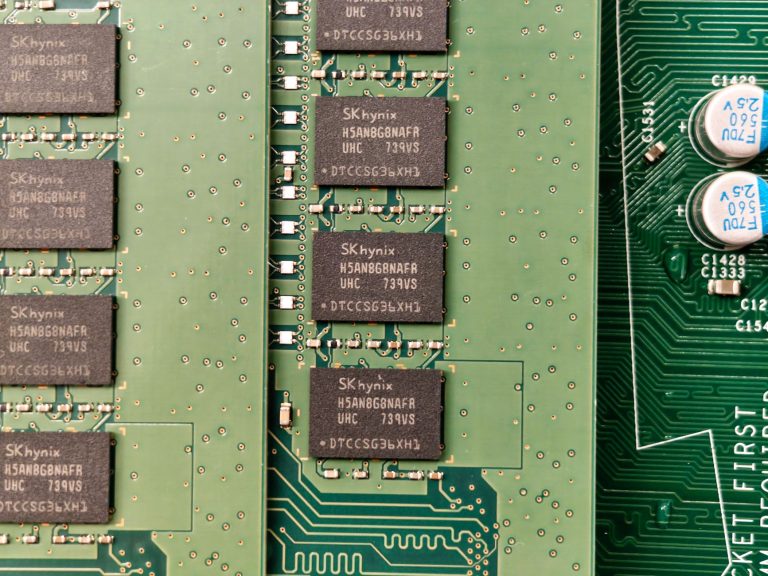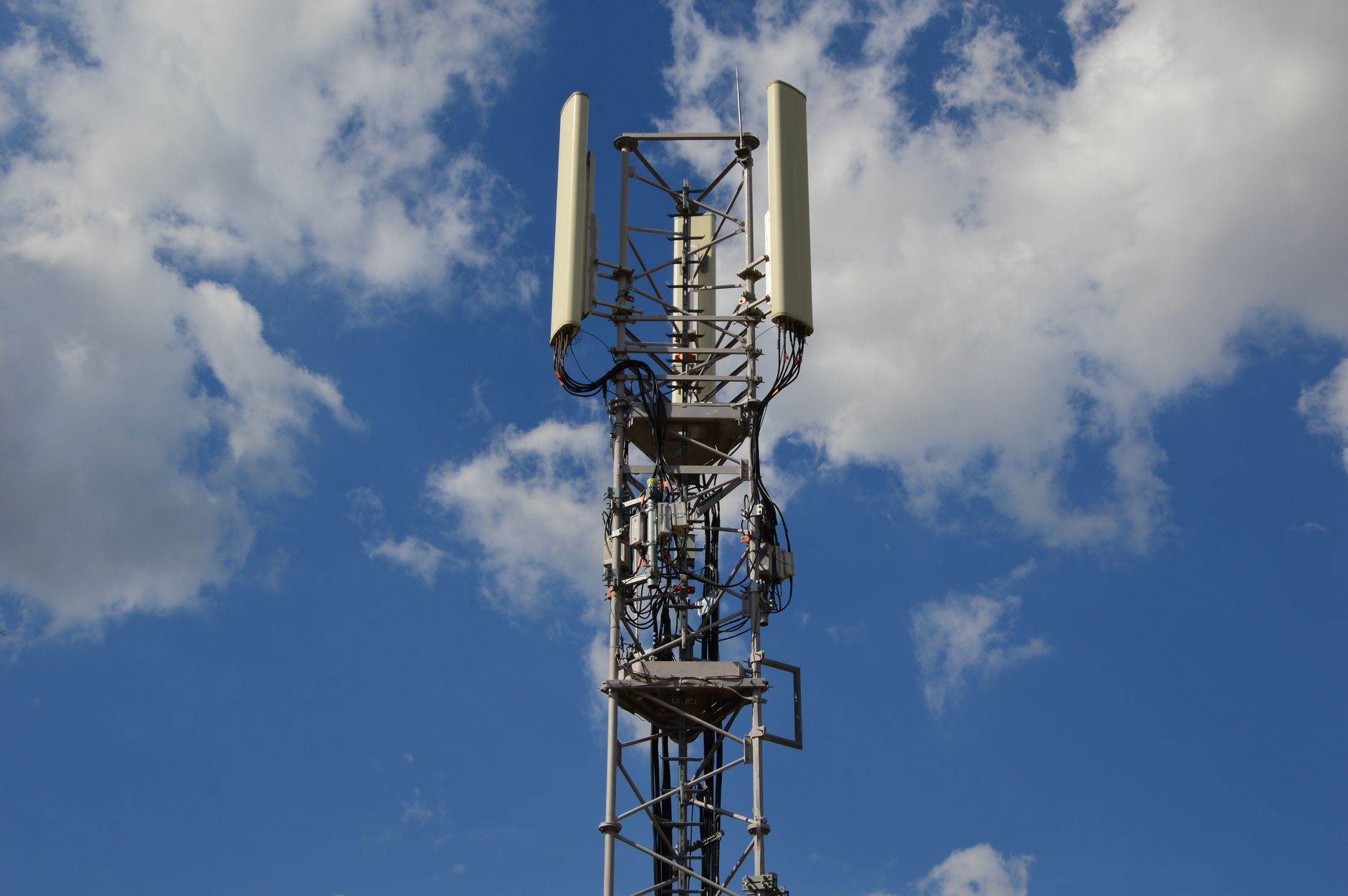
A labor dispute at Samsung Electronics, first reported by ETTelecom on July 6, 2026, highlights a critical fracture within the world’s largest memory chip manufacturer and poses a direct threat to the global telecom equipment supply chain. Workers in Samsung’s non-chip divisions, including its network equipment and consumer electronics units, are planning a rally on July 16 to protest “unequal” wage bonuses after semiconductor employees secured significantly higher payouts. This internal conflict underscores the strategic imbalance in capital allocation within major tech conglomerates, where high-margin semiconductor divisions are prioritized over other business units, including those vital to network infrastructure.
The Technical and Financial Disparity Driving the Protest

The core of the dispute lies in Samsung’s disparate bonus structure, a direct reflection of the wildly divergent financial performance of its business segments. Samsung’s semiconductor division, particularly its memory chip operations, has been the primary engine of profitability, driven by demand for DRAM and NAND used in smartphones, data centers, and networking gear like routers and switches. In contrast, divisions responsible for manufacturing telecom infrastructure components—such as base station radios, optical transceivers, and consumer devices like smartphones and tablets—have faced tighter margins and competitive pressure.
The protest is organized by the Samsung National Labor Union, which represents a significant portion of the company’s non-semiconductor workforce. The union’s grievance centers on the recent wage deal for chip workers, which reportedly includes bonuses that are multiples of those offered to employees in other divisions. This two-tier system creates operational friction within a company that relies on integrated production, where components from various divisions must coalesce into final products like 5G base stations or enterprise switches. A demoralized workforce in non-chip divisions can lead to production slowdowns, quality issues, and delayed shipments, directly impacting telecom operators’ network rollout schedules.
From a telecom infrastructure perspective, Samsung is not just a smartphone vendor; it is a key supplier of 5G radio access network (RAN) equipment, particularly in markets like North America, Korea, and parts of Europe. Its network division also produces core networking switches and optical components. Any labor instability that affects production lines outside the pure semiconductor fabs could ripple through the supply of these critical network elements. The rally on July 16 is a tangible indicator of this risk, moving it from a theoretical HR issue to a concrete operational threat.
Impact on Telecom Operators and Network Rollouts

For telecom operators (OpCos) and mobile network equipment buyers, this internal strife at Samsung presents a multifaceted risk. First, it threatens supply chain continuity. Samsung’s integrated model means that a slowdown in one division—for example, the assembly and testing of base station units—can halt the delivery of complete systems, even if the core chips are available. Operators with tight deployment timelines for 5G expansion or fiber network upgrades could face delays.
Second, the dispute highlights the broader industry vulnerability of relying on a few vertically integrated giants for critical network hardware. As Huawei faces geopolitical constraints, Samsung and other Korean firms like LG have gained market share in RAN and core network equipment. This labor unrest exposes a new form of supply chain risk: internal corporate discord. Network planners and procurement teams must now factor in not just geopolitical and logistical risks, but also the internal labor dynamics of their key suppliers.
Third, the financial disparity could accelerate a talent drain from Samsung’s network equipment divisions. Engineers and technicians specializing in RF design, network software, and system integration may seek opportunities at competitors like Nokia, Ericsson, or newer entrants, potentially degrading Samsung’s long-term innovation capacity in telecom hardware. For operators, this means the quality and roadmap of Samsung’s network products could stagnate, affecting future network performance and feature availability.
Strategic Implications for Global Telecom and African/MENA Markets

The Samsung labor dispute carries specific weight for telecom markets in Africa and the MENA region, where Samsung plays a dual role as both a device supplier and an emerging infrastructure partner. Many operators in these regions rely on Samsung for affordable smartphone supply to drive data adoption, which in turn fuels network traffic and revenue. Simultaneously, Samsung’s network division has been making strategic bids for 5G and 4G modernization projects, particularly in markets seeking alternatives to traditional Western or Chinese vendors.
Any production disruption at Samsung could therefore hit these markets twice: slowing the flow of devices to consumers and delaying the deployment of new network infrastructure. For African operators, often working with capital-intensive rollout schedules dependent on timely equipment delivery, such delays could translate into missed revenue targets and competitive disadvantages.
Furthermore, the dispute underscores a strategic lesson for telecom infrastructure investment: diversification is critical. Operators and governments promoting local manufacturing or assembly (like Egypt’s ICT strategy or Nigeria’s tech hub initiatives) might see this as a catalyst to develop more resilient, localized supply chains for network components, reducing dependency on any single international conglomerate. The event may also influence procurement policies, pushing operators to mandate supplier labor stability assessments as part of vendor selection criteria.
Forward-Looking Analysis: The Telecom Sector’s Chip Dependency

This incident at Samsung is a microcosm of a macro issue: the telecom industry’s deep, and often fragile, dependency on the semiconductor sector. While the spotlight is often on chip shortages themselves, the internal dynamics of chip manufacturers—labor relations, capital allocation, executive focus—are equally important to network infrastructure stability. As AI, 5G-Advanced, and IoT drive demand for more specialized networking chips (like AI-accelerated switches and smart NICs), the tension between high-margin chip divisions and other hardware units within suppliers like Samsung, Intel, or Broadcom will only intensify.
Telecom operators and infrastructure investors should monitor this situation not as a one-off labor news item, but as a systemic supply chain signal. It may prompt a reevaluation of vendor portfolios, a push for more open and disaggregated network architectures (like Open RAN) that decouple hardware from specific integrated vendors, and increased investment in alternative sourcing strategies. The rally on July 16 is a date that telecom procurement and risk management teams should mark, as its outcome could influence Q4 2026 and FY2027 equipment delivery schedules across the globe.
About the Author