Vivo-Dixon JV Signals Strategic Shift in Indian Telecom Device Manufacturing
📰Original Source: ETTelecomSource: ETTelecom, July 11, 2026. The Indian government has approved Vivo Mobile India’s application to form a joint venture with domestic electronics manufacturing services (EMS) giant Dixon Technologies, a move that involves hiving off Vivo’s manufacturing unit into the JV entity. This regulatory…
Source: ETTelecom, July 11, 2026. The Indian government has approved Vivo Mobile India’s application to form a joint venture with domestic electronics manufacturing services (EMS) giant Dixon Technologies, a move that involves hiving off Vivo’s manufacturing unit into the JV entity. This regulatory green light, reported on July 11, 2026, is a pivotal development within India’s Production-Linked Incentive (PLI) scheme framework and signals a profound strategic realignment for a top-three smartphone vendor. For telecom network operators (MNOs) and infrastructure providers, this deal underscores the accelerating localization of the device supply chain, which directly impacts procurement strategies, device portfolio management, and the broader ecosystem for 4G/5G handset affordability and availability in the world’s second-largest mobile market.
Deal Mechanics and PLI-Driven Restructuring
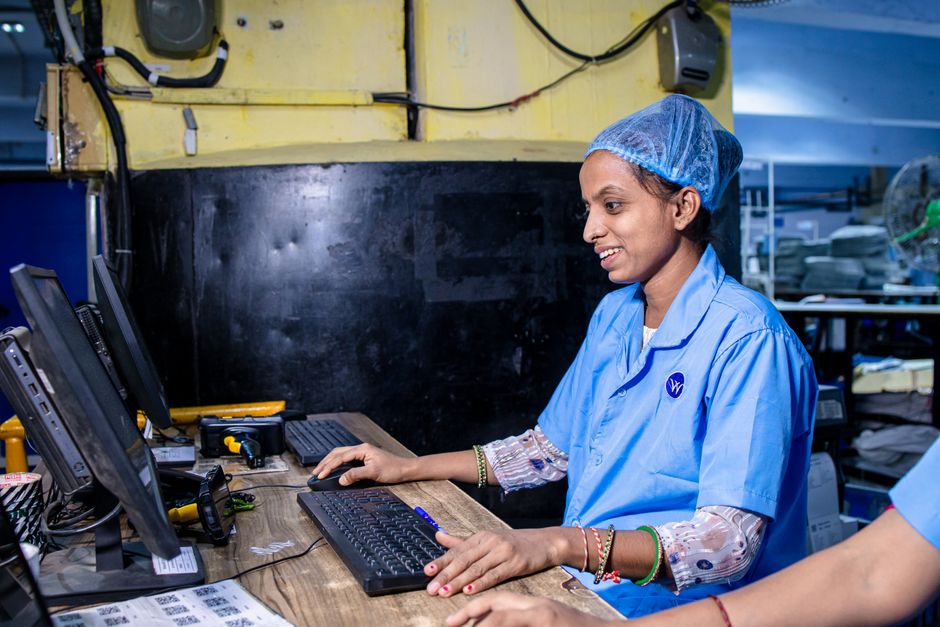
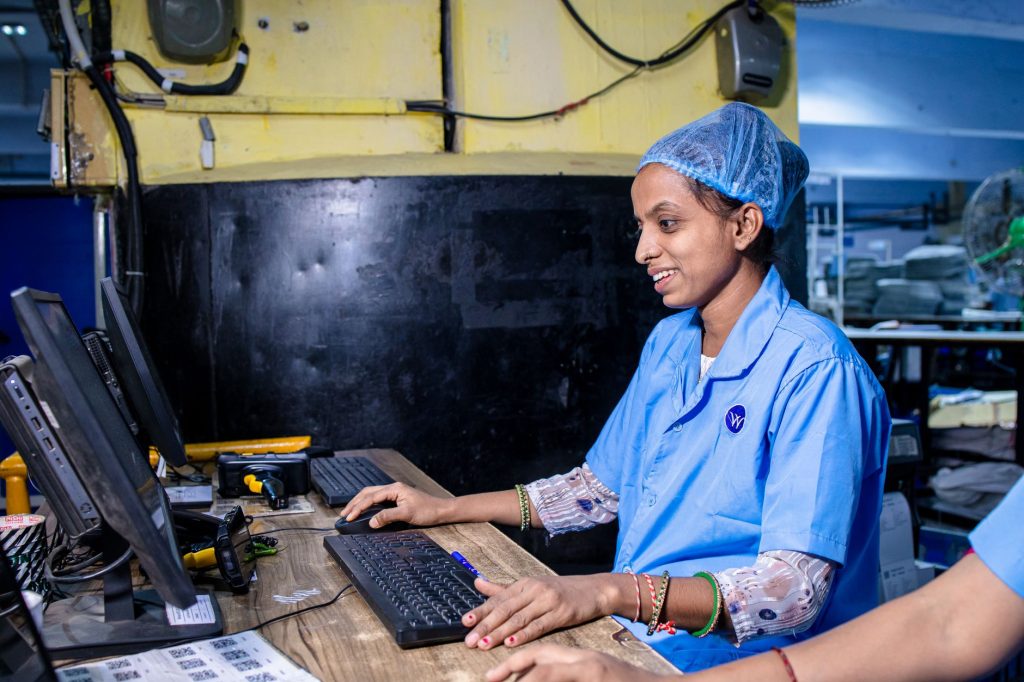
The approved joint venture structure involves Vivo transferring its existing manufacturing operations to a new entity co-owned with Dixon Technologies. While precise equity stakes were not disclosed, the model aligns with the government’s push under the PLI for IT Hardware and PLI for Large Scale Electronics Manufacturing schemes to deepen indigenous manufacturing. Dixon, a leading beneficiary of these schemes, brings its established supply chain, operational expertise, and government liaison capabilities to the partnership. Vivo, which commanded an estimated 17% market share in India’s smartphone shipments as of early 2026, secures a compliant and potentially more cost-effective manufacturing pathway.
From a technical and operational standpoint, this transfer is not merely a change in ownership. It represents a formal shift from a captive Original Equipment Manufacturer (OEM) factory to a contract manufacturing relationship with a specialized EMS partner. For Dixon, this adds a marquee, high-volume client to its roster, which already includes manufacturing for brands like Samsung, Xiaomi, and Motorola. The deal likely involves the transfer of tooling, certain intellectual property related to assembly processes, and workforce at Vivo’s facilities. For telecom operators, this means the devices they retail and bundle with plans will increasingly originate from PLI-compliant, domestically managed factories, potentially reducing import dependency and currency fluctuation risks in the supply chain.
Impact on Telecom Operators and the Device Ecosystem
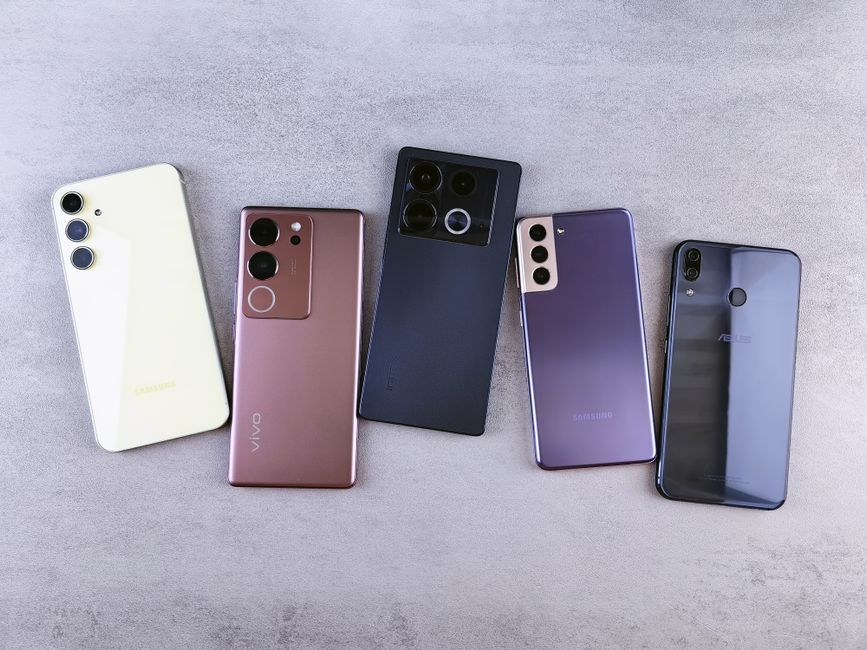
This JV has immediate and long-term implications for Mobile Network Operators (MNOs) like Reliance Jio, Bharti Airtel, and Vodafone Idea, as well as device retailers and distributors.
1. Supply Chain Stability and Local Sourcing: MNOs procure millions of devices annually for both retail and bundled offerings. A localized, PLI-backed manufacturing base for a major player like Vivo enhances supply chain resilience against global disruptions. Operators can negotiate more stable pricing and delivery schedules with greater confidence in domestic production capacity. This aligns with the government’s “Atmanirbhar Bharat” (self-reliant India) agenda, which operators are increasingly factoring into their procurement policies.
2. Cost Structures and 5G Device Proliferation: The PLI scheme provides financial incentives on incremental sales, which, combined with Dixon’s operational efficiencies, could put downward pressure on manufacturing costs. While not guaranteed to translate directly to lower consumer prices, it improves the margin structure for Vivo. This is critical for the rapid adoption of 5G devices. As operators aggressively expand 5G SA networks, affordable 5G handsets are the key to monetization. A more cost-effective manufacturing ecosystem for major brands accelerates the transition from 4G to 5G device fleets, directly benefiting MNOs’ data revenue and network utilization strategies.
3. Competitive Landscape and Portfolio Strategy: Vivo’s move follows similar partnerships by other Chinese OEMs (like Oppo with Bhagwati/BPG) and reflects an industry-wide adaptation to regulatory pressures. For operators, this consolidation of manufacturing into a few large, approved EMS players simplifies engagement and quality assurance. It may also lead to more standardized device specifications and faster integration of operator-specific firmware and pre-loaded applications. However, it also concentrates power with large EMS firms, which could influence future device pricing and innovation cycles.
Strategic Implications for India and Global Telecom Manufacturing
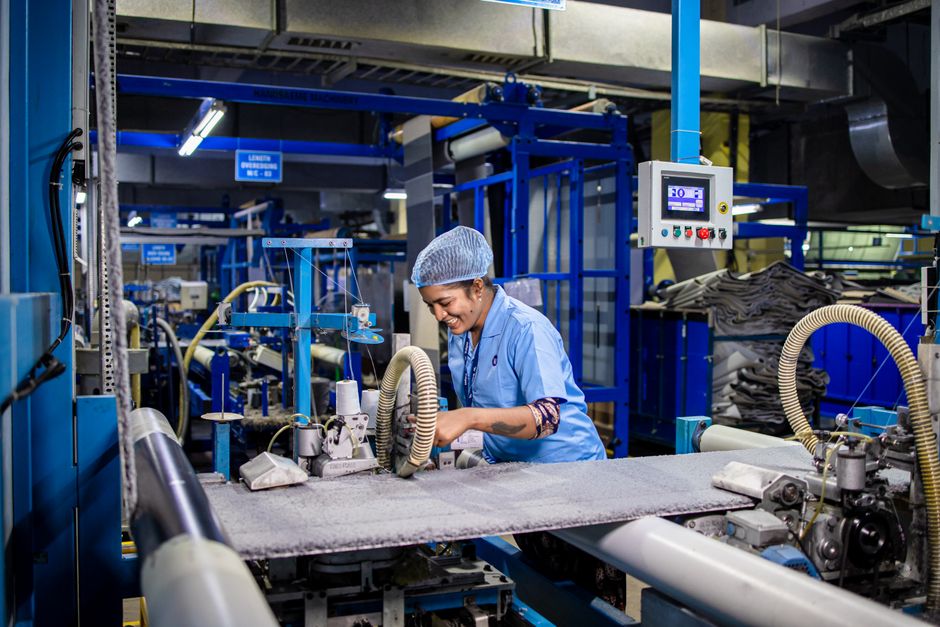
The Vivo-Dixon JV is a case study in how industrial policy is reshaping global telecom hardware supply chains. India’s PLI scheme, with an outlay of approximately $2 billion for large-scale electronics, is successfully redirecting capital and expertise.
1. India as a Strategic Manufacturing Hub: This deal cements India’s position not just as a massive consumption market, but as a strategic export manufacturing hub for mobile devices. Dixon, with this JV, strengthens its capacity to serve both domestic and international demand. For global telecom, this diversifies the manufacturing geography away from an over-concentration in China and Vietnam, offering operators and brands a de-risked alternative. Future submarine cable landings and data center investments will further integrate this manufacturing capacity with digital infrastructure.
2. Regulatory Compliance as a Business Imperative: The approval process highlights that regulatory compliance is now a core business function for device makers in India. The government’s scrutiny of Chinese OEMs over the past few years on issues of taxation, corporate structure, and component sourcing has made partnerships with trusted Indian corporations like Dixon a strategic necessity. This model is likely to be replicated by other brands seeking long-term stability in the Indian market. For the telecom sector, this means a more predictable and government-aligned device industry, reducing the risk of sudden market exits or supply shocks due to regulatory actions.
3. Technology Transfer and Vertical Integration: While the current JV focuses on assembly, the long-term goal of Indian policy is to move up the value chain into component manufacturing (semiconductors, displays, batteries). Successful EMS partnerships are the first step. As Dixon and others scale, they will attract upstream component suppliers. This vertical integration, over time, could lead to more customized device designs for the Indian and similar price-sensitive markets (e.g., Africa, Southeast Asia), influencing global device architecture for emerging economies.
Forward-Looking Analysis for the Telecom Sector
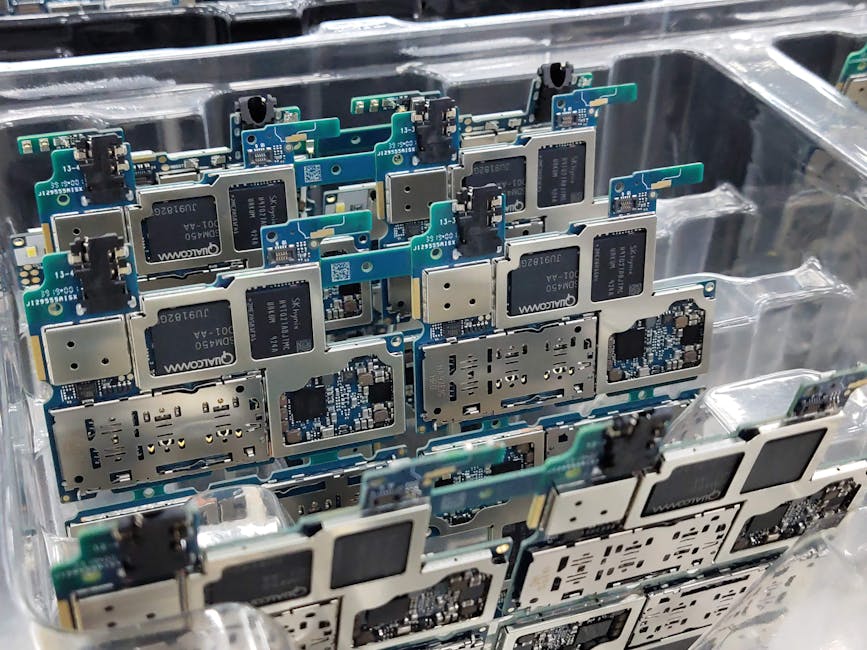
The Vivo-Dixon joint venture is more than a corporate restructuring; it is a bellwether for the future of telecom device ecosystems in regulated emerging markets. We anticipate three key trends:
First, EMS consolidation will accelerate. Large, PLI-compliant Indian manufacturers like Dixon, Bhagwati, and Optiemus will become the primary manufacturing arms for most major global brands in India. This will create a new layer of powerful infrastructure players in the telecom value chain, akin to contract manufacturers in the network equipment space.
Second, MNO-EMS partnerships will deepen. Operators may explore direct engagements with these EMS giants for exclusive or co-branded device lines, especially for 5G FWA CPEs and affordable smartphones. This could bypass traditional OEM go-to-market channels, giving operators greater control over features, cost, and supply.
Finally, the “India model” may be exported. Other large markets in Africa and the Middle East, seeking to build local manufacturing, may emulate India’s PLI scheme and encourage similar JVs between international OEMs and local champions. This would further regionalize device supply chains, compelling global telecom operators to adapt their procurement models on a region-by-region basis.
For network operators and infrastructure investors, the message is clear: the geopolitics of hardware manufacturing are now inseparable from network deployment and service strategy. Building resilient, affordable, and compliant device ecosystems requires active engagement with this new industrial policy-driven manufacturing landscape.