India’s smartphone market contracted by 10% year-on-year in the second quarter of 2026, shipping approximately 30.1 million units, according to data from CyberMedia Research (CMR) reported by ETTelecom. This sharp decline, driven by rising component costs and a polarized demand landscape, presents critical challenges and strategic inflection points for the nation’s mobile network operators (MNOs). The slump in the sub-INR 10,000 (approximately $120) affordable segment, coupled with robust growth in the INR 50,000+ ($600+) premium tier, indicates a profound shift in the device ecosystem that will directly impact network traffic patterns, data consumption, and future infrastructure investment priorities.
Market Polarization: A Tale of Two Device Segments

The headline 10% YoY decline masks a deeply bifurcated market. Shipments in the affordable segment (sub-INR 10,000) plummeted by a staggering 15-20% YoY. This segment, traditionally the volume driver for mass-market mobile data adoption, is buckling under sustained price pressure. CMR analysts attribute this to rising costs for key components like memory, displays, and 5G modems, which OEMs are struggling to absorb without passing significant price hikes to a cost-sensitive consumer base. In stark contrast, the premium segment (INR 50,000 and above) grew by an estimated 8-10% YoY. This growth is fueled by aggressive financing options, strong brand loyalty for players like Apple and Samsung, and a consumer base less sensitive to macroeconomic headwinds, seeking advanced features like generative AI on-device, superior cameras, and enhanced gaming performance.
The vendor landscape reflects this polarization. While the overall market leader, Vivo, saw its shipments decline, its strategy of focusing on the mid-to-high tier (INR 10,000-25,000) provided some insulation. Samsung maintained a stronghold in the premium space, and Apple continued its growth trajectory, capitalizing on the aspirational shift. Chinese brands like Xiaomi, Realme, and Oppo, with historically strong portfolios in the budget segment, faced the brunt of the downturn. This realignment forces OEMs to recalibrate their portfolios, with significant implications for the features and network capabilities of devices entering the Indian installed base. A shift towards more premium, 5G-capable, and data-intensive devices, even amidst lower overall volumes, is a key takeaway for network planners.
Impact on Telecom Operators and Network Strategy
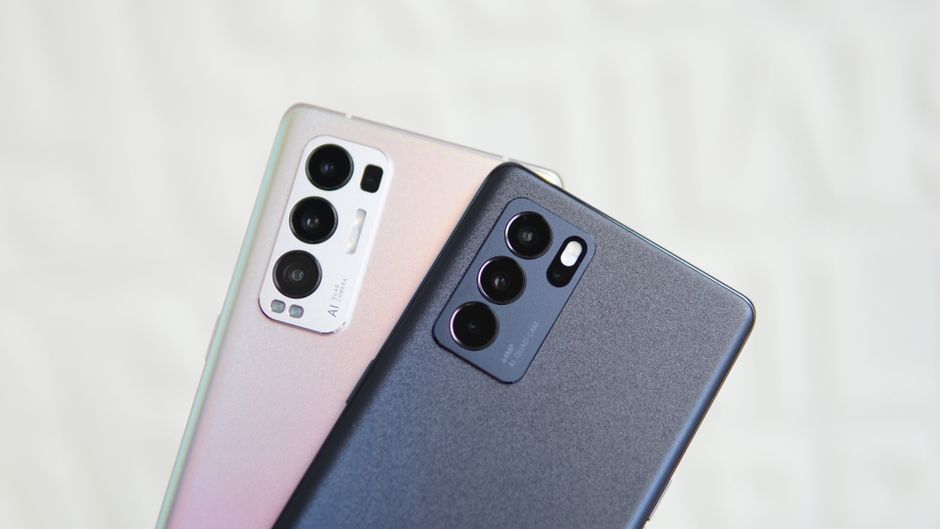
For India’s MNOs—Reliance Jio, Bharti Airtel, and Vodafone Idea—this market shift has immediate and long-term ramifications. The decline in ultra-low-cost smartphone shipments threatens to slow the pace of new user additions from feature phones to smartphones, a critical funnel for data revenue growth. Operators have heavily subsidized 4G and 5G devices in the past to drive this migration; a constrained affordable device pipeline could force a re-evaluation of such device-led subscriber acquisition strategies.
Conversely, the growth in the premium segment accelerates the quality of the device installed base. Premium smartphones typically support the latest network standards (5G SA, advanced carrier aggregation, Wi-Fi 7), have larger storage for data-heavy applications, and are used by consumers with higher average revenue per user (ARPU). This segment will drive disproportionate increases in mobile data traffic, particularly for high-bandwidth applications like 4K video streaming, cloud gaming, and real-time AI interactions. Network operators must ensure their 5G network rollouts, especially the deployment of mid-band (3.5 GHz) and millimeter-wave spectrum, keep pace with the capabilities of these incoming devices to maximize customer experience and monetization.
Furthermore, the polarization underscores the importance of device financing and partnerships. Operators with strong fintech arms or tight OEM partnerships (e.g., Jio’s historical ties with Google for the JioPhone Next) are better positioned to bridge the affordability gap and manage the upgrade cycle. The data suggests a future where operator strategies may diverge: one focusing on maximizing value from a growing base of high-ARPU, premium device users, and another doubling down on innovative financing and bundled services to revive the mass-market segment.
Regional Implications and Global Telecom Parallels

India’s smartphone market dynamics offer a prescient case study for other emerging telecom markets in Africa, Southeast Asia, and parts of the Middle East. These regions also face the challenge of balancing mass-market affordability with the need for network technology upgrades. The Indian experience suggests that a pure low-cost device strategy is vulnerable to global supply chain and component pricing shocks. Markets like Nigeria, Kenya, or Indonesia must anticipate similar pressures and encourage local assembly, diversified supply chains, and creative financing models to sustain smartphone adoption.
Globally, the trend of “premiumization” amidst overall market stagnation is evident. This reinforces the strategic imperative for telecom operators worldwide to pivot their networks from being mere connectivity pipes to platforms optimized for high-value services. The increasing share of premium 5G devices justifies deeper investment in network slicing, edge computing, and quality-of-service (QoS) mechanisms to cater to enterprise and prosumer segments. For infrastructure vendors, this means a continued focus on energy-efficient, software-upgradable radio access network (RAN) and core solutions that can efficiently handle a mix of traffic from diverse device tiers.
In India specifically, the government’s Production Linked Incentive (PLI) scheme for electronics manufacturing takes on added significance. Success in boosting local production of components and high-value devices could mitigate import cost pressures and improve the long-term health of the device ecosystem, indirectly supporting network operator goals.
Forward-Looking Analysis for the Telecom Sector

The Q2 2026 smartphone shipment data is a leading indicator for network demand in the subsequent quarters. Operators should prepare for a scenario where overall subscriber growth in smartphone users moderates, but data consumption per user accelerates sharply. This necessitates a nuanced approach to capital expenditure: continued 5G deployment in urban and peri-urban areas to capture premium demand, while optimizing 4G networks for efficiency in regions where affordable device penetration is slowing.
The onus is also on the industry to innovate beyond the device. The development of compelling 5G use cases—in entertainment, education, healthcare, and financial services—becomes even more critical to drive data utilization and justify the ownership of advanced devices. Partnerships between operators, OEMs, and content/application providers will be key to unlocking this value.
Finally, the affordability crisis may accelerate the adoption of alternative connectivity models. Network operators could explore a greater push for 5G Fixed Wireless Access (FWA) as a primary broadband solution, leveraging the existing premium device trend to also drive home broadband penetration. The device market contraction, while a near-term challenge, ultimately signals a maturation of the Indian mobile ecosystem. The winners will be operators and infrastructure providers that can successfully navigate this transition from a volume-driven to a value-driven growth paradigm, aligning network investments with the evolving profile of the connected device.
About the Author