South Korean FX Authorities Acquire $20B from SK Hynix, Stabilizing KRW for Telecom Capex
Source: ETTelecom, reporting on statements from South Korea’s Ministry of Economy and Finance and the Bank of Korea, September 2, 2026.
South Korean foreign exchange authorities have executed a landmark transaction, purchasing approximately $20 billion in U.S. dollars from memory chip giant SK Hynix. The funds originated from the company’s major American depositary receipt (ADR) listing proceeds, which were repatriated to South Korea. According to official statements, the Bank of Korea and the Ministry of Economy and Finance conducted the purchase through the Foreign Exchange Stabilization Fund, aiming to bolster FX reserves and curb excessive volatility in the Korean won (KRW). For the domestic telecom sector—encompassing operators like SK Telecom, KT, and LG Uplus, as well as infrastructure vendors Samsung Networks and LG—this state-level intervention provides critical macroeconomic stability for long-term, dollar-denominated network investments in 5G-Advanced, AI data centers, and submarine cable systems.
The Mechanics of a $20 Billion FX Intervention and Its Direct Impact
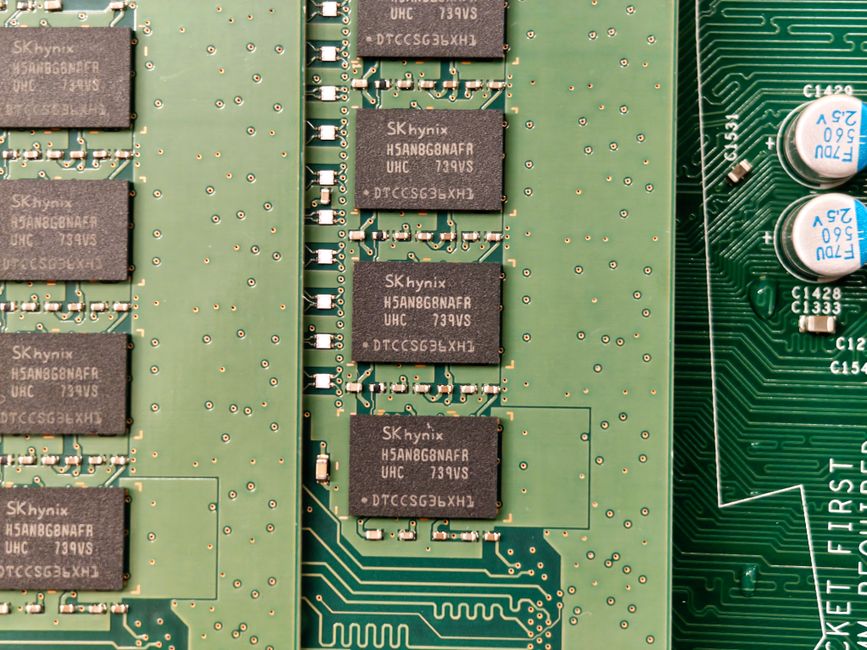
The transaction is a textbook example of coordinated fiscal and monetary policy aimed at managing currency inflows. SK Hynix, the world’s second-largest memory chip maker and a subsidiary of the SK Group conglomerate (which also owns leading mobile operator SK Telecom), raised significant capital through its U.S. ADR listing. Upon converting these dollar proceeds back into Korean won for domestic use, a massive supply of USD hit the local forex market, threatening to appreciate the KRW too rapidly.
The authorities stepped in as the buyer of last resort for these dollars. The Bank of Korea (BOK) confirmed the purchase was made using the Foreign Exchange Stabilization Fund, a sovereign vehicle designed specifically for smoothing exchange rate fluctuations. The $20 billion inflow boosts South Korea’s foreign exchange reserves, which stood at over $430 billion prior to this move. For telecom operators, the immediate effect is the prevention of a sharp KRW appreciation, which, while seemingly positive, can hurt export competitiveness of local vendors like Samsung and LG and create unpredictable budgeting for dollar-based contracts.
From a network financing perspective, South Korean telcos are in the midst of a significant investment wave. SK Telecom is driving its “AI Infra” strategy, KT is expanding its cloud-native 5G core and nationwide fiber, and LG Uplus is investing heavily in AI-powered services and network automation. A significant portion of the required hardware—from high-end routers and optical transport gear to specialized AI server racks—is procured in U.S. dollars. A volatile or overly strong won complicates multi-year capex planning. This intervention effectively “sterilizes” the FX impact of a major corporate event, providing a predictable exchange rate environment for the next 12-18 months of procurement cycles.
Strategic Implications for Telecom Operators and Infrastructure Vendors
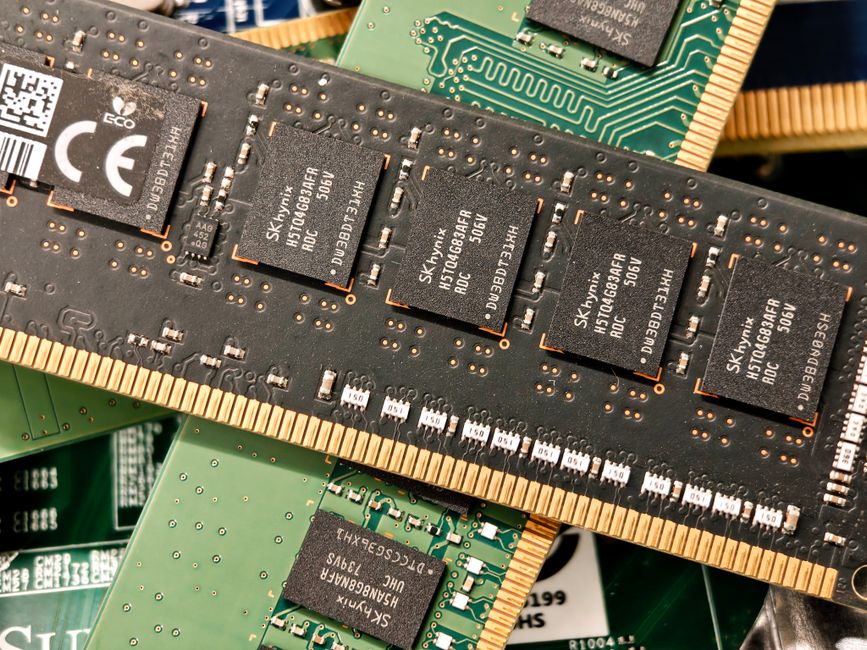
The stabilization of the macro-financial landscape has direct, tangible benefits for both mobile network operators (MNOs) and the domestic telecom supply chain.
For MNOs (SK Telecom, KT, LG Uplus):
- Reduced Capex Cost Pressure: A stable KRW/USD rate lowers the final won-cost of imported network elements. This is crucial for upcoming 5G-Advanced (3GPP Release 18) deployments, which require new radio units (RUs), distributed units (DUs), and upgrades to the cloud-native core. Operators can more accurately forecast budgets for these multi-hundred-million-dollar projects.
- AI and Data Center Investments: The national push into AI necessitates building or expanding massive, GPU-packed data centers. Key components like NVIDIA GPUs, high-speed Ethernet switches from Arista or Cisco, and cooling systems are almost exclusively priced in USD. The $20B FX move mitigates currency risk for these billion-dollar investments.
- Submarine Cable and International Bandwidth: South Korea’s position as a digital hub relies on submarine cables like the Southeast Asia-Japan Cable 2 (SJC2) and the New Cross Pacific (NCP) cable system. Investments in cable consortia and indefeasible rights of use (IRUs) are transacted in dollars. Stable FX conditions facilitate these long-term infrastructure bets.
For Domestic Vendors (Samsung Networks, LG):
- Export Competitiveness: Samsung is a global player in 5G RAN and vRAN solutions, competing with Ericsson, Nokia, and Huawei. An artificially strong won would make its exports more expensive. The BOK’s action helps maintain a balanced exchange rate, preserving Samsung’s price competitiveness in key markets like North America, Japan, and New Zealand.
- Supply Chain Cost Management: Even local vendors source components globally. A predictable FX environment aids in managing costs for imported semiconductors, optical components, and rare earth materials, all priced in USD.
Furthermore, this move signals strong state support for the strategic technology sector, which includes telecom and AI infrastructure. It provides indirect assurance to operators that the government will act to maintain conditions conducive to the heavy investment required for national tech leadership.
Global Context: FX Management as a Tool for Digital Sovereignty
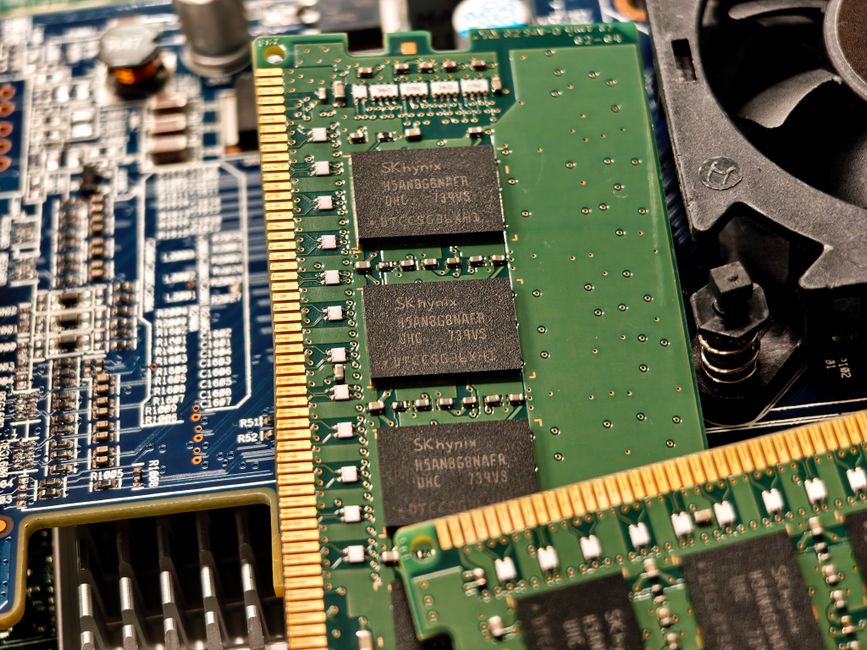
South Korea’s proactive FX intervention is a case study in using macroeconomic levers to support digital infrastructure goals. This approach contrasts with more laissez-faire policies in other regions and highlights a key trend: digital sovereignty now encompasses financial and currency stability.
In the Asia-Pacific region, countries like Japan have historically intervened in currency markets to support export-oriented industries, including electronics and automotive. South Korea is applying this playbook directly to the foundational tech and telecom sector. For other nations, particularly in the MENA and African markets where currency volatility is a major constraint on telecom investment, South Korea’s model is instructive. While few nations have the scale of a $20 billion transaction, the principle of coordinating central bank policy with national digital infrastructure plans is universally relevant.
For instance, African operators investing in 4G expansion and fiber backhaul often face severe dollar shortages and local currency depreciation, making it impossible to finance imported equipment. South Korea’s action demonstrates the value of strategic FX reserves and mechanisms to absorb shocks from large capital movements, a lesson for resource-rich but telecom-capex-constrained nations.
Globally, this transaction underscores the deep interconnection between semiconductor capital flows (SK Hynix), state financial policy, and telecom network deployment. The fortunes of the chip industry, which provides the silicon for everything from smartphones to data center AI accelerators, now directly influence the cost structure of building and upgrading telecommunications networks worldwide.
Forward Outlook: A Calmer Sea for Korea’s 6G and AI Infrastructure Voyage
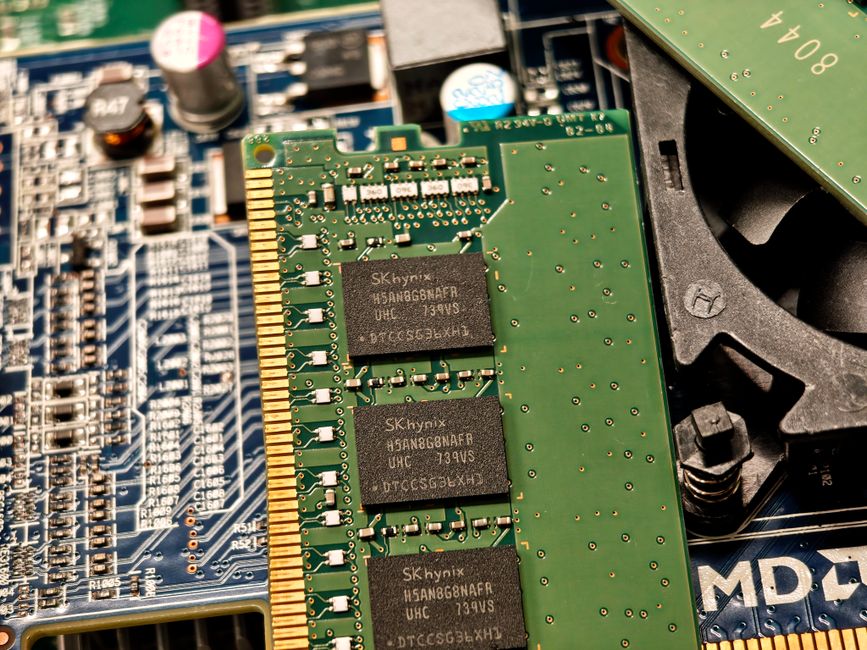
The $20 billion FX purchase creates a period of relative calm for South Korea’s telecom sector as it navigates the transition from 5G monetization to 6G research and AI infrastructure dominance. The immediate 1-2 year horizon sees operators locking in equipment deals for mid-band spectrum refarming, millimeter-wave expansion, and terabit-scale core network upgrades with reduced currency risk.
Longer-term, this move reinforces South Korea’s commitment to being a first mover in next-generation technologies. A stable macroeconomic backdrop is essential for the trillion-won commitments required for 6G research, which involves not just radio innovation but also integrated sensing, native AI networks, and potentially low-earth orbit (LEO) satellite collaborations. It also supports the financial viability of massive, energy-intensive AI data centers being built by telco affiliates.
For international equipment vendors (Nokia, Ericsson, Ciena, etc.), this signals continued strong demand from a financially stable Korean market. For investors, it highlights the reduced systemic risk in a sector that is both capital intensive and strategically vital to the national economy. The Bank of Korea’s action is more than a currency trade; it is a foundational investment in the digital future of one of the world’s most connected nations.
About the Author