TCL Sues Samsung Over ‘Mini LED’ Marketing, Signaling Escalating Display Tech War for Telecom Screens
In a high-stakes legal move with significant implications for the telecom and enterprise hardware supply chain, Chinese electronics giant TCL Technology Group Corp. has filed a lawsuit against Samsung Electronics Co. in the U.S. District Court for the Northern District of California. The suit, filed on September 1, 2026, alleges that Samsung is engaging in false advertising by misleadingly marketing some of its television models as “Mini LED” displays. For telecom operators, network equipment vendors, and infrastructure managers, this dispute transcends consumer televisions; it highlights a critical battle over display technology standards that directly impact enterprise video walls, network operation center (NOC) monitors, public information displays, and the quality of service (QoS) visualization tools reliant on high-fidelity screens. The core of TCL’s claim is that Samsung’s “Neo QLED” TVs utilize a conventional backlight unit with significantly fewer and larger LEDs than true Mini LED technology, thereby deceiving consumers and gaining an unfair competitive advantage in a premium market segment where technical specifications directly influence B2B procurement decisions.
Technical Deep Dive: Defining True Mini LED vs. Marketing Hype

The lawsuit pivots on a precise technical definition. True Mini LED technology is defined by the use of thousands of microscopic LEDs (typically between 100-200 micrometers in size) arranged in a direct-lit backlight array. This dense configuration allows for ultra-fine local dimming zones, often numbering in the thousands, enabling superior contrast, deeper blacks, and more precise HDR performance by independently controlling minute sections of the screen. This is a pivotal step towards self-emissive MicroLED and is critical for applications requiring exact color accuracy and detail, such as monitoring complex network topology maps or satellite imagery.
TCL’s legal filing asserts that Samsung’s accused “Neo QLED” models do not meet this standard. Instead, TCL claims Samsung uses a significantly smaller number of larger, conventional LEDs in a side-lit or limited-array configuration. For instance, where a true Mini LED display might feature 5,000+ dimming zones, TCL alleges some Samsung models advertise “Mini LED” with only a few hundred zones. This difference is not merely academic; it has tangible impacts on performance metrics like contrast ratio, peak brightness uniformity, and blooming control—all vital for 24/7 operational environments in telecom hubs.
From a supply chain perspective, true Mini LED manufacturing requires advanced precision placement and bonding equipment, driving up production costs. By allegedly using a less advanced, cheaper backlight solution while leveraging the “Mini LED” marketing term, TCL argues Samsung is engaging in “bait-and-switch” tactics that devalue genuine innovation and confuse enterprise buyers who rely on specifications for capital expenditure (CapEx) justifications on control room upgrades.
Industry Impact: Telecom Procurement, Control Rooms, and the B2B Display Market
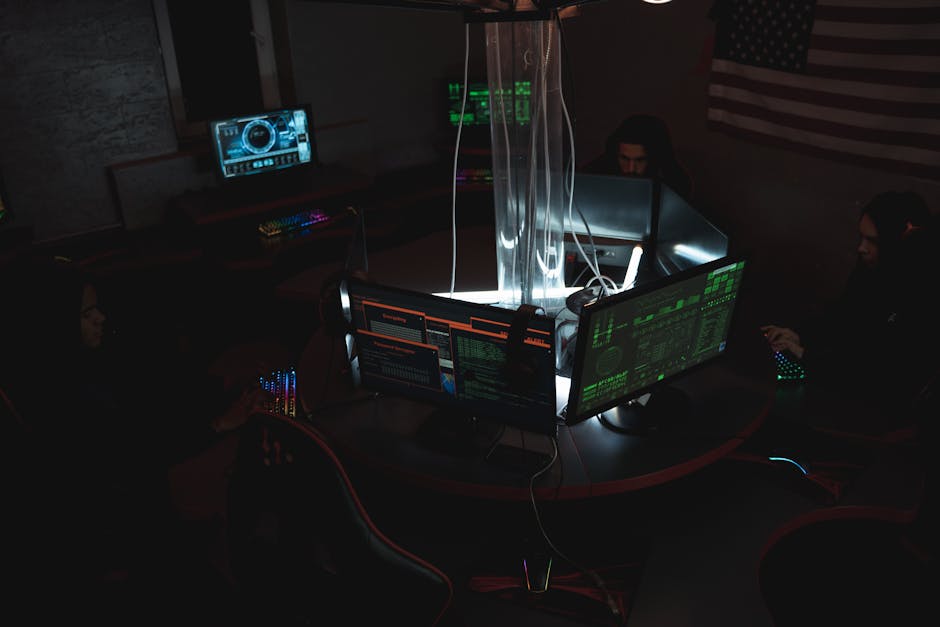
The ramifications for the telecom industry are multifaceted. Large displays are integral to modern network operations, from 5G network orchestration centers and submarine cable monitoring stations to public safety answer points (PSAPs) and corporate UC&C (Unified Communications & Collaboration) suites. The specifications of these displays—reliability, color gamut, refresh rate, and contrast—directly affect operator efficiency and decision-making.
First, this lawsuit threatens to inject specification uncertainty into the B2B procurement process. If the term “Mini LED” becomes diluted or contested, telecom procurement managers and system integrators will need to dig deeper into technical datasheets, demanding third-party verification of dimming zone counts, LED pitch, and backlight architecture rather than relying on branded marketing claims. This could slow down purchasing cycles and increase due diligence costs.
Second, it highlights the strategic importance of display technology in the operator-customer interface. As operators roll out advanced services like 8K video streaming, cloud gaming, and immersive AR/VR, the end-point display quality becomes part of the overall service quality perception. Partnerships between telecom operators and display manufacturers for bundled offerings (e.g., “Fiber + 8K TV”) could be influenced by the outcome of this case, as operators seek to avoid association with potentially misleading claims.
Finally, for network equipment vendors like Nokia, Ericsson, and Huawei, who often provide integrated visualization solutions for their network management systems, the choice of display partner becomes more critical. A shift towards more rigorous standardization, potentially led by bodies like the Video Electronics Standards Association (VESA) or the International Committee for Display Metrology (ICDM), could reshape supplier qualification lists and favor manufacturers like TCL, which is pushing for a stricter definition.
Global & Strategic Implications: China vs. Korea Tech Rivalry and Supply Chain Control
This legal battle is a proxy war in the larger China-South Korea technology rivalry, particularly in advanced electronics and display panels. Samsung and LG Display (LGD) have long dominated the premium display market with their OLED and QD-OLED technologies. Chinese players like TCL (through its panel manufacturing arm, CSOT), BOE, and HKC are aggressively investing in Mini LED and MicroLED as a competitive wedge, aiming to bypass Korean OLED patent thickets and establish a new, high-margin market standard they can lead.
For the global telecom infrastructure market, this rivalry has supply chain implications. Diversification of panel sources is a key concern for hardware OEMs. A ruling in TCL’s favor could accelerate the adoption of Chinese-made Mini LED panels in professional monitors and large-format displays, offering an alternative to Korean-sourced OLEDs. This could lead to price pressure and increased innovation in the B2B display segment, ultimately benefiting telecom operators through lower costs for NOC and signage hardware.
Regionally, in markets like Africa and the Middle East (MENA), where cost sensitivity is high but demand for digital signage and control room technology is growing rapidly, the outcome could influence which technology becomes the de facto standard for new deployments. If true Mini LED from Chinese suppliers becomes more competitively priced and certified, it could see widespread adoption in telecom expansions across these regions, shaping the visual infrastructure of next-generation networks.
Strategically, the lawsuit underscores the importance of intellectual property (IP) and standards-setting in the display value chain. Telecom operators are no strangers to standards wars (e.g., 5G NR, Open RAN). This case demonstrates that similar battles in adjacent hardware ecosystems can have knock-on effects on equipment availability, cost, and performance. Operators must therefore monitor these developments in their strategic technology planning.
Forward-Looking Analysis: Standardization, MicroLED, and the Future of Telecom Visualization

Looking ahead, the TCL vs. Samsung case will likely catalyze a broader industry push for standardized definitions and testing methodologies for Mini LED and related display technologies. We anticipate increased activity from standards bodies and potentially regulatory scrutiny from consumer protection and trade commissions in the US, EU, and other major markets. This will bring more transparency to the B2B market, allowing telecom buyers to make more informed decisions based on audited performance data rather than marketing nomenclature.
The ultimate endgame is MicroLED—a self-emissive technology promising the best of OLED (perfect blacks, high contrast) with the brightness, longevity, and burn-in resistance of inorganic LEDs. The current Mini LED skirmish is a precursor to the larger MicroLED battle. Telecom operators with ultra-long-lifecycle requirements for operational displays (e.g., air traffic control for drone networks, permanent surveillance walls) should track MicroLED development closely, as it promises unparalleled reliability for 24/7/365 operation.
In the near term, telecom infrastructure strategists should:
1. Scrutinize display specifications in RFPs for control room and signage projects, demanding explicit details on backlight type, dimming zone count, and peak sustained brightness.
2. Engage with multiple display suppliers including Chinese panel makers like CSOT (TCL) and BOE to understand their technology roadmaps and ensure supply chain resilience.
3. Consider the total cost of ownership (TCO), including energy consumption and longevity, where advanced backlight technologies like true Mini LED may offer advantages over older LCD or even OLED in always-on scenarios.
4. Monitor legal and standards outcomes from this case, as they will set precedents affecting all display marketing and could influence future procurement regulations for public sector telecom projects.
The lawsuit filed by TCL is more than a corporate squabble; it is a clarion call for technical integrity in an industry whose products are becoming increasingly central to digital infrastructure. As telecom networks evolve into complex, visually-managed ecosystems, the displays that render their data must be held to the highest standards of truth in advertising and performance.
About the Author