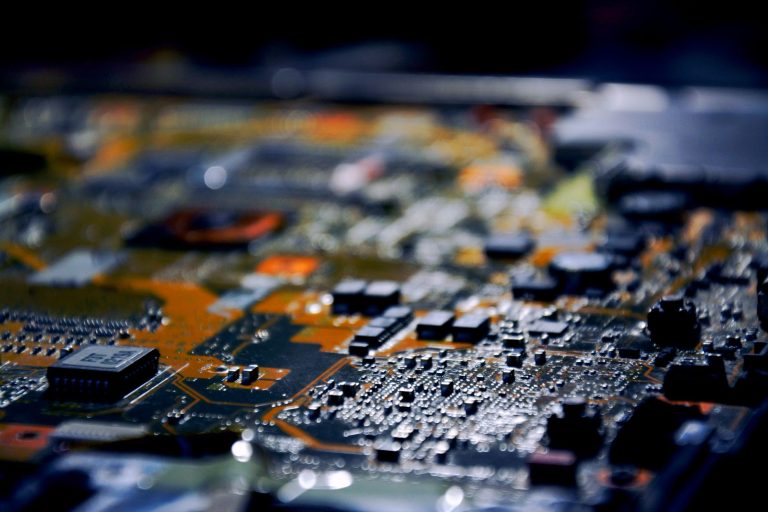
According to a report from ETTelecom, Tim Cook is preparing to hand over leadership of Apple to John Ternus, the company’s Senior Vice President of Hardware Engineering. The transition, occurring as Apple faces significant challenges in AI innovation and intensifying global manufacturing tensions with China, marks a pivotal moment for the world’s largest device manufacturer and its profound impact on global telecom operator strategies, device ecosystems, and network demand.
From Operational Excellence to Engineering-Led Innovation: Ternus’s Telecom Hardware Legacy

John Ternus’s ascension to Apple’s top role is rooted in his deep engineering pedigree and direct oversight of the hardware that defines modern mobile connectivity. Since joining Apple in 2001 and rising to lead hardware engineering in 2021, Ternus has been the architect behind the iPhone’s evolution—a device that commands over 50% of the US smartphone market and generates the majority of mobile data traffic worldwide. His portfolio extends beyond handsets to include iPad, Mac, and AirPods, creating an interconnected device ecosystem that drives subscription and data revenue for Mobile Network Operators (MNOs).
For telecom infrastructure, Ternus’s tenure has been defined by the integration of advanced cellular modems, Wi-Fi 6E/7 chipsets, and UWB (Ultra-Wideband) radios into Apple’s silicon. The shift to custom Apple-designed modems, a project reportedly accelerated under Ternus, represents a multi-billion-dollar strategic move to reduce dependency on Qualcomm and control the entire wireless stack. This vertical integration allows for tighter optimization between hardware and iOS, promising more efficient spectrum use, improved battery life for always-connected devices, and features that can leverage nascent 5G-Advanced and future 6G network capabilities. However, this transition carries risk for operators; in-house modems must undergo rigorous carrier certification processes, and any performance shortfalls compared to established vendors could impact network quality metrics and customer satisfaction.
Ternus is also directly responsible for Apple’s foray into satellite connectivity with the Emergency SOS via satellite feature in iPhone 14 and later models. This partnership with Globalstar represents a new frontier for device-to-network communication, blending terrestrial cellular with Low Earth Orbit (LEO) services. For telecom operators, this sets a precedent for hybrid network devices, potentially reducing coverage gaps but also introducing new partners and competitors in the connectivity value chain.
Impact on Telecom Operators and the Global Device Supply Chain

The leadership change occurs amid a fundamental restructuring of Apple’s manufacturing footprint, with direct consequences for telecom supply chains and regional market strategies. Under Cook, Apple cultivated a deeply integrated, China-centric supply chain responsible for over 90% of iPhone, iPad, and Mac production. Rising geopolitical tensions and supply chain fragility have forced a strategic pivot, with Ternus inheriting a complex “China+1” diversification plan.
India has emerged as the primary beneficiary, targeting over 25% of total iPhone production by 2026. This shift, supported by India’s Production Linked Incentive (PLI) scheme, is not merely about assembly. Ternus’s engineering-led approach is focused on replicating the sophisticated, just-in-time component ecosystem in regions like Tamil Nadu and Karnataka. For telecom operators in India and Southeast Asia, this localization promises more stable device supply, potentially shorter launch delays for new iPhone models, and closer collaboration with Apple on region-specific network testing and feature deployment. Operators like Reliance Jio, Airtel, and Vodafone Idea stand to benefit from a more responsive device partner as they roll out 5G Standalone (SA) networks and advanced enterprise services.
Conversely, operators in Europe and the Americas must monitor potential supply chain disruptions during this transition. Any teething problems in ramping up non-Chinese production lines could lead to iPhone shortages, affecting operator device financing plans, upgrade cycles, and subscriber retention campaigns that often hinge on flagship device availability.
Furthermore, Ternus’s hardware-centric vision suggests a continued emphasis on devices as the primary user interface for telecom services. This reinforces the critical importance of operator partnerships for device financing (iPhone Forever plans), eSIM provisioning, and 5G network feature launches (e.g., network slicing for enterprise iPhone users). Operators without strong strategic relationships with Apple may find themselves at a disadvantage in marketing and technical collaboration.
AI Integration and the Network Edge: Apple’s Catch-Up Challenge
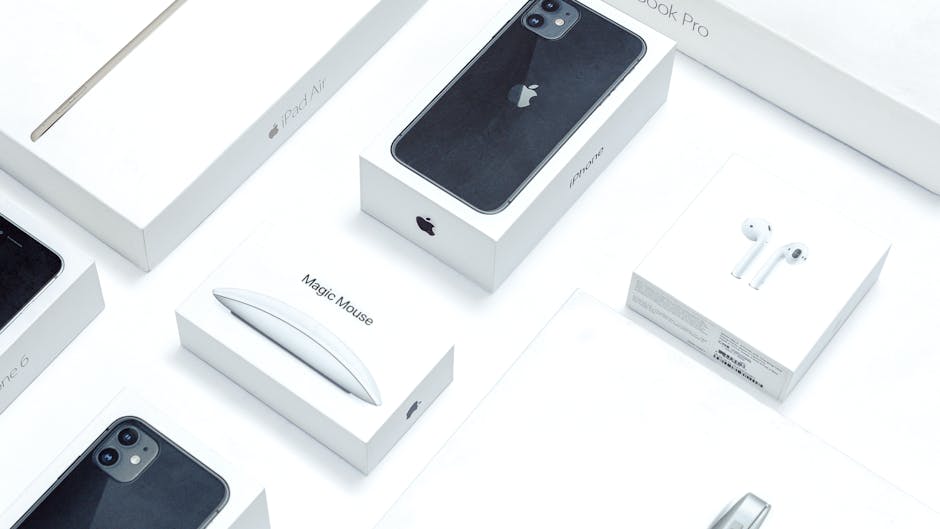
The ETTelecom report highlights Apple’s perceived lag in the generative AI race compared to cloud-first rivals like Google and Microsoft. For the telecom industry, how Apple chooses to integrate AI under Ternus will have significant implications for network architecture and edge computing.
Apple’s historical preference for on-device processing, driven by privacy and performance, suggests its AI strategy will heavily leverage the Neural Engine within its A-series and M-series chips. Ternus, as the hardware chief, has overseen the exponential growth of this specialized silicon. A device-centric AI approach means more complex computations occur on the smartphone, tablet, or laptop, rather than in the cloud. This aligns with telecom operator ambitions for edge computing, but it could reduce the volume of raw data traversing core networks for AI inference, potentially impacting a future revenue stream from AI-as-a-Service backhaul.
However, advanced AI features like real-time language translation, immersive AR experiences, and personalized services will still require ultra-low latency and high bandwidth. This demands robust 5G SA networks with edge computing nodes (MEC). Ternus’s Apple will likely push operators to deliver consistent, high-performance connectivity to enable these flagship AI features. We can expect tighter integration between iOS AI APIs and network APIs, allowing apps to request specific quality-of-service (QoS) levels from the operator’s core network for AI-driven tasks.
Apple’s rumored negotiations to integrate Google’s Gemini or other third-party AI models into iOS also presents a network dynamic. If cloud-based AI is accessed via iPhone, it ensures Apple devices remain central conduits for data traffic, sustaining operator data revenues even if the AI processing itself is not on-device.
Strategic Implications for Global Telecom Markets and Forward Outlook

John Ternus taking the helm at Apple signals a renewed focus on hardware innovation as the cornerstone of the user experience. For telecom stakeholders, this means:
- Accelerated Silicon Roadmaps: Expect faster iteration on Apple silicon with increasingly capable integrated modems, neural processors, and satellite comms. Operators must plan network upgrades (e.g., 5G-Advanced spectrum refarming) to capitalize on new device capabilities.
- Supply Chain Realignment: The diversification to India, Vietnam, and possibly other regions will create new logistical hubs and testing centers. Operators in these growth markets should engage early with Apple’s local teams on network compatibility and co-marketing.
- AI as a Network Differentiator: Operators with advanced, low-latency 5G SA cores and edge partnerships will be better positioned to support Apple’s on-device and hybrid AI features. This could create a new tier of “Apple Premium” networks.
- Satellite-Cellular Convergence: Ternus is likely to expand Apple’s satellite initiatives beyond emergency services. Direct-to-device satellite messaging or broadband could challenge traditional MNO roaming revenues and push operators to develop their own hybrid network offerings in partnership with satellite operators.
In conclusion, while the CEO transition is a corporate story, its ramifications are deeply technical and strategic for the global telecom industry. John Ternus leads a company whose devices dictate consumer expectations for connectivity, drive capacity planning for networks, and shape the competitive landscape for operators. His engineering-first approach, set against the backdrop of AI disruption and supply chain upheaval, will force telecom operators to be more agile, collaborative, and network-ready than ever before. The era of the device defining the network demand enters a new, more complex phase.
About the Author