Comminent and Silicon Labs Surpass 500,000 Wi-SUN Module Shipments in India, Accelerating Smart Grid IoT Rollout

According to an announcement from ETTelecom, IoT solutions provider Comminent and semiconductor firm Silicon Labs have jointly shipped over 500,000 (5 lakh) Wi-SUN-compliant Field Area Network (FAN) modules in India. This milestone, representing a significant volume of wireless IoT infrastructure, directly supports the country’s ambitious smart meter deployment programs, including the Revamped Distribution Sector Scheme (RDSS) which aims to install 250 million smart meters nationwide. The shipment volume underscores a critical shift in India’s utility sector towards standardized, low-power wide-area network (LPWAN) technology for large-scale Advanced Metering Infrastructure (AMI), creating a substantial new market for telecom-grade IoT connectivity and network management services.
For telecom operators and infrastructure providers, this mass deployment of Wi-SUN modules signals the maturation of the utility IoT market in India, opening opportunities for managed network services, data backhaul partnerships, and integration with existing fiber and 5G networks to support grid modernization. The choice of Wi-SUN FAN, an open standard-based mesh networking protocol, over proprietary alternatives like LoRaWAN or NB-IoT, has significant implications for network interoperability, vendor diversity, and long-term scalability of smart city projects.
Technical Deep Dive: Wi-SUN FAN as a Telecom-Grade IoT Backbone
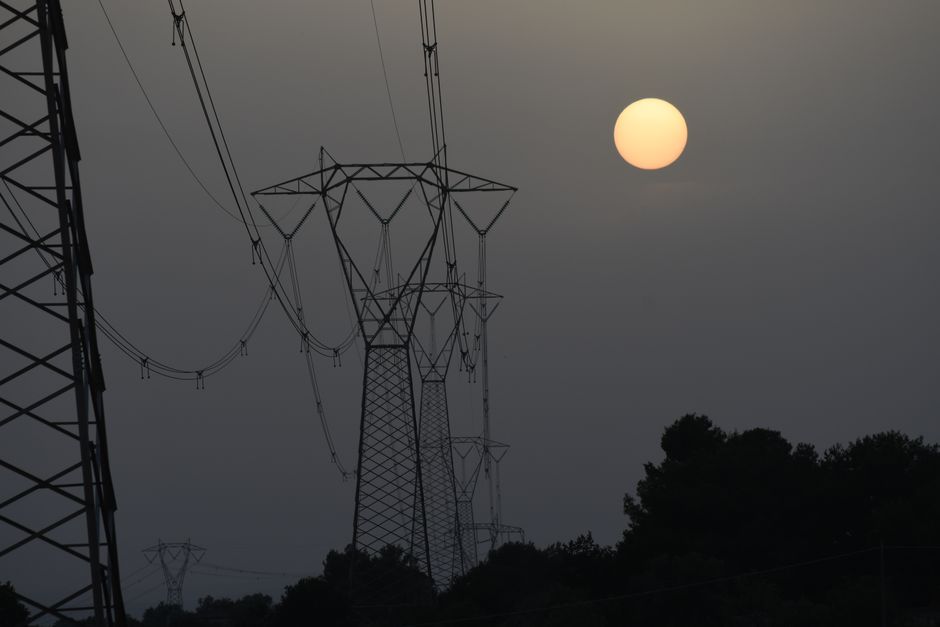
The Wi-SUN (Wireless Smart Ubiquitous Network) Field Area Network specification is an IEEE 802.15.4g-based standard operating in sub-GHz bands, notably 867 MHz in India. Its technical architecture is purpose-built for large-scale, outdoor utility and smart city IoT deployments. The modules shipped by Comminent, powered by Silicon Labs’ EFR32FG (Flex Gecko) system-on-chip platform, are designed for long-range, low-power communication with robust mesh networking capabilities.
Key technical attributes driving this adoption include:
- Mesh Topology & Self-Healing: Wi-SUN FAN creates a self-forming, self-healing mesh network, where each smart meter or sensor node can act as a repeater. This dramatically extends network coverage and reliability in dense urban and challenging suburban environments without requiring a dense cell tower grid, reducing infrastructure Capex for network operators.
- IPv6 Compliance: Full support for IPv6 ensures seamless integration with modern IT and telecom networks, enabling end-to-end IP connectivity from the sensor to the utility data center. This simplifies network architecture compared to non-IP LPWAN solutions and aligns with telecom operators’ all-IP migration strategies.
- Sub-GHz Spectrum Efficiency: Operating in India’s 867-869 MHz band, Wi-SUN benefits from superior propagation characteristics, penetrating building materials and vegetation more effectively than 2.4 GHz solutions. This translates to fewer gateways required per square kilometer, a critical factor for nationwide rollouts.
- Open Standard & Interoperability: As a profile certified by the Wi-SUN Alliance, it ensures multi-vendor interoperability. This prevents vendor lock-in for utilities and allows telecom operators to build managed services on a stable, standards-based platform, fostering a competitive ecosystem of device and gateway manufacturers.
- Security: The specification mandates strong AES-256 encryption and public key infrastructure (PKI) for device authentication, meeting the stringent security requirements of critical infrastructure like the power grid.
The volume of 500,000 modules indicates a move beyond pilot phases into mass production and deployment, validating the technology’s readiness for India’s scale and environmental conditions.
Industry Impact: New Revenue Streams and Strategic Partnerships for Telecoms

The scale of India’s smart meter initiative, backed by this hardware milestone, is creating distinct opportunities and challenges for mobile network operators (MNOs), tower companies, and fiber providers.
1. Managed Network-as-a-Service (NaaS) Models: While Wi-SUN handles the last-mile mesh connectivity, the backhaul from Wi-SUN border routers to utility data centers requires reliable, high-bandwidth links. This presents a prime opportunity for telecom operators to offer managed NaaS packages. Operators can provide cellular (4G/LTE, 5G) or fiber backhaul, coupled with SLAs for uptime, latency, and data security. Companies like Jio, Airtel, and Vodafone Idea can leverage their existing infrastructure to become end-to-end IoT connectivity providers, moving beyond simple SIM provisioning.
2. Gateway Infrastructure and Tower Synergies: Wi-SUN networks require border routers/gateways typically placed on street furniture, utility poles, or cell towers. Tower companies like Indus Towers and American Tower Corporation (ATC) can monetize their vast real estate portfolios by hosting these gateways. This represents a new, low-touch tenancy model, diversifying revenue away from solely macro cellular sites.
3. Data Integration and Analytics Platforms: The flood of data from millions of smart meters—covering energy consumption, voltage levels, and outage detection—requires robust cloud platforms for aggregation and analysis. Telecom operators with cloud and IT services arms (e.g., JioCloud, Airtel IQ) can offer integrated data management and analytics solutions, creating sticky, high-value partnerships with utility companies.
4. Competitive Dynamics with Other LPWANs: The success of Wi-SUN in the utility vertical raises questions about the market positioning of other LPWAN technologies in India. While NB-IoT, promoted heavily by cellular operators, offers deep indoor coverage and inherent cellular integration, it may face challenges on cost-per-module and network topology flexibility for dense mesh deployments. LoRaWAN, another key player, excels in private network deployments but may lack the standardized, large-scale ecosystem momentum that Wi-SUN is now demonstrating in the utility sector. This milestone suggests a possible market segmentation, with Wi-SUN becoming the de facto standard for large-scale, publicly-funded smart grid projects.
Regional Implications: A Blueprint for Global Smart Grid and Smart City Rollouts
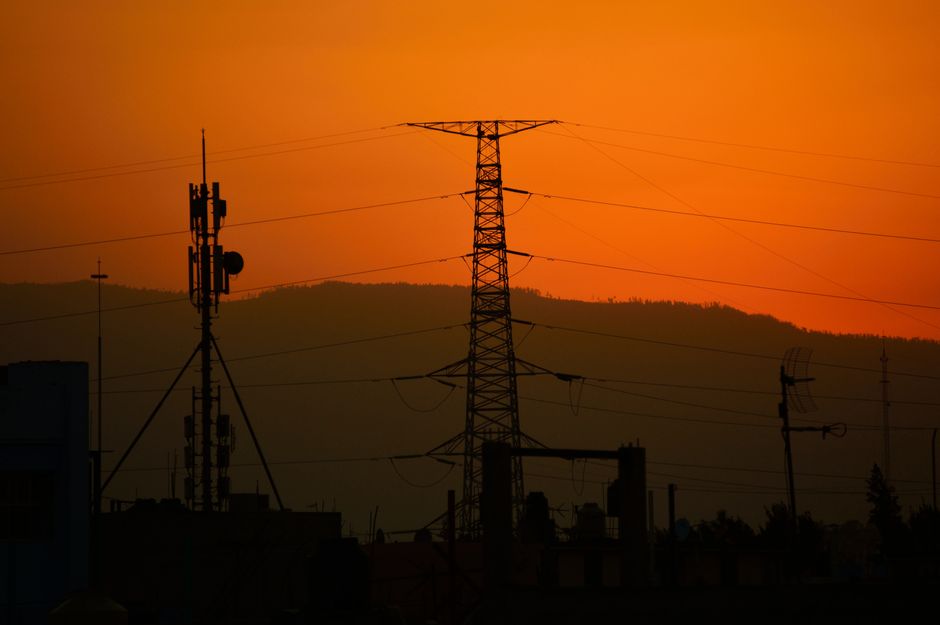
India’s aggressive adoption of Wi-SUN for its national smart meter program is being closely watched globally, particularly in other high-growth markets in Africa, Southeast Asia, and the Middle East (MENA). These regions face similar challenges: rapid urbanization, growing energy demand, high distribution losses, and the need for infrastructure leapfrogging.
1. Replicability in Africa and MENA: Many African nations, through initiatives like the African Development Bank’s
About the Author