
Apple’s Record India Quarter Signals Deepening Telecom-Device Ecosystem Integration
Apple’s Record India Quarter Signals Deepening Telecom-Device Ecosystem IntegrationSource: ETTelecom, reporting on Apple’s Q3 2026 earnings call.Apple has reported record June quarter revenue in India, with Mac sales reaching an all-time high, according to CEO Tim Cook during the company’s Q3 2026 earnings call. This…
Apple’s Record India Quarter Signals Deepening Telecom-Device Ecosystem Integration
Source: ETTelecom, reporting on Apple’s Q3 2026 earnings call.
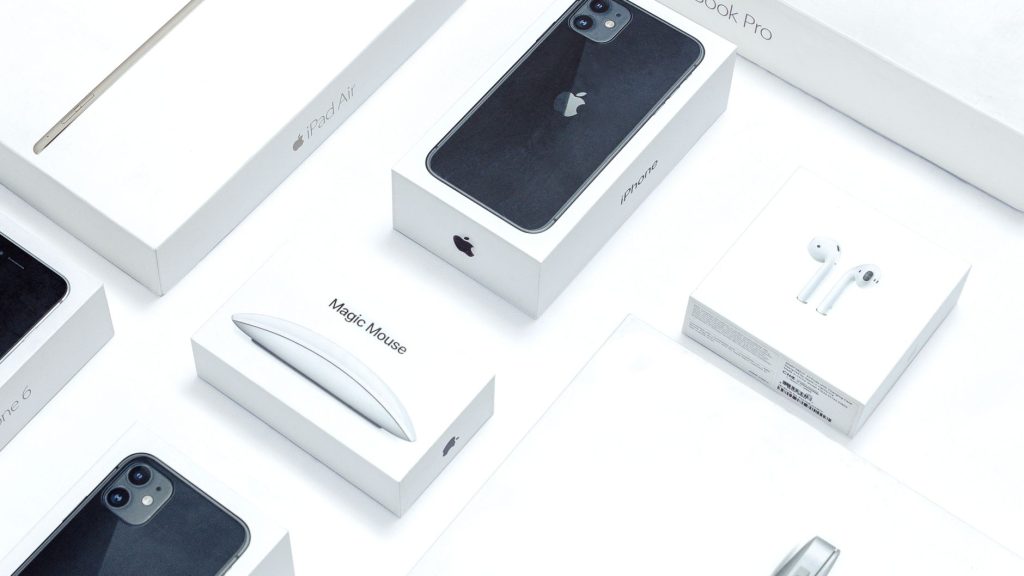
Apple has reported record June quarter revenue in India, with Mac sales reaching an all-time high, according to CEO Tim Cook during the company’s Q3 2026 earnings call. This milestone is not merely a consumer electronics story; it represents a critical validation of India’s maturing digital infrastructure ecosystem and underscores the intensifying strategic link between premium device penetration and high-value telecom service monetization. For telecom operators and infrastructure providers, Apple’s success is a direct proxy for the health of the high-ARPU (Average Revenue Per User) segment, which is essential for funding next-generation network deployments like 5G-Advanced and fiber-to-the-premises (FTTP).
Decoding the Numbers: A Surge in Premium Connectivity Endpoints
While Apple does not break out specific country revenue figures, Cook’s explicit mention of a “historic” quarter and “all-time high” for Mac sales in India provides a clear directional signal. This performance follows a multi-year strategic pivot by Apple, including the opening of its first company-owned retail stores in Mumbai and Delhi in 2023, significant expansion of its manufacturing footprint via partners like Foxconn and Tata, and deeper carrier partnerships with Indian mobile network operators (MNOs) such as Reliance Jio, Bharti Airtel, and Vodafone Idea.
For the telecom sector, each Mac and iPhone sold represents a high-performance node on the network. These devices are catalysts for data consumption, often equipped with the latest Wi-Fi 7 and 5G modem technology (e.g., Qualcomm’s Snapdragon X series for Macs, Apple’s custom modems for iPhone), driving demand for faster, more reliable home and mobile broadband. The Mac sales surge is particularly telling, as it points to growth in the premium enterprise and prosumer segments—users who require consistent, high-bandwidth connectivity for cloud applications, video conferencing, and large data transfers. This creates a direct feedback loop: superior network performance enhances the user experience of premium devices, which in turn justifies consumer and business investment in higher-tier mobile plans and FTTH connections.
From a supply chain perspective, Apple’s increased local assembly and sourcing within India, bolstered by the government’s Production Linked Incentive (PLI) scheme, reduces logistical friction and potentially improves time-to-market. This localization strategy mitigates global supply chain risks and ensures a steadier flow of devices into a market where demand is increasingly bifurcated between mass-market and premium tiers.
Strategic Impact on Telecom Operators and Network Strategy

Apple’s success in India has profound implications for the strategies of Reliance Jio, Bharti Airtel, and Vodafone Idea. These operators are engaged in a fierce battle for high-ARPU subscribers, as the bulk of India’s subscriber base remains in the low-ARPU, prepaid segment. Premium Apple users are disproportionately valuable; they are early adopters of 5G SA (Standalone) services, likely subscribers to postpaid plans with larger data allowances, and key targets for bundled services like Apple TV+, Apple Music, and iCloud+, which operators can integrate into their own offerings.
1. Device-Financing and Bundling: Operators are likely to double down on device financing schemes (EMI plans) and bundled offers that pair the latest iPhone or Mac with a 24-36 month 5G/postpaid contract. This locks in high-value customers and amortizes the device subsidy over the contract period, improving customer lifetime value (LTV).
2. Network Quality as a Differentiator: To retain these demanding users, operators must continue aggressive 5G network rollout and densification, particularly in urban and semi-urban centers. Apple users are more likely to notice and complain about network inconsistencies, making quality of service (QoS) a non-negotiable competitive requirement. This necessitates continued CAPEX in spectrum, fiber backhaul, and small cells.
3. Enterprise and SMB Focus: The Mac sales record indicates a growing installed base in the enterprise and SMB sector. Telecom operators will need to tailor their enterprise business units (EBUs) to offer integrated solutions combining secure, high-speed connectivity (SD-WAN, SASE) with device management and support for Apple’s ecosystem, competing directly with global system integrators.
4. Retail Channel Dynamics: The expansion of Apple’s own retail presence and authorized reseller network increases touchpoints for selling connectivity. Operators must forge stronger partnerships with these retail channels to ensure their SIMs and broadband plans are the default recommendation at point of sale.
Regional Implications: A Blueprint for Other Emerging Markets
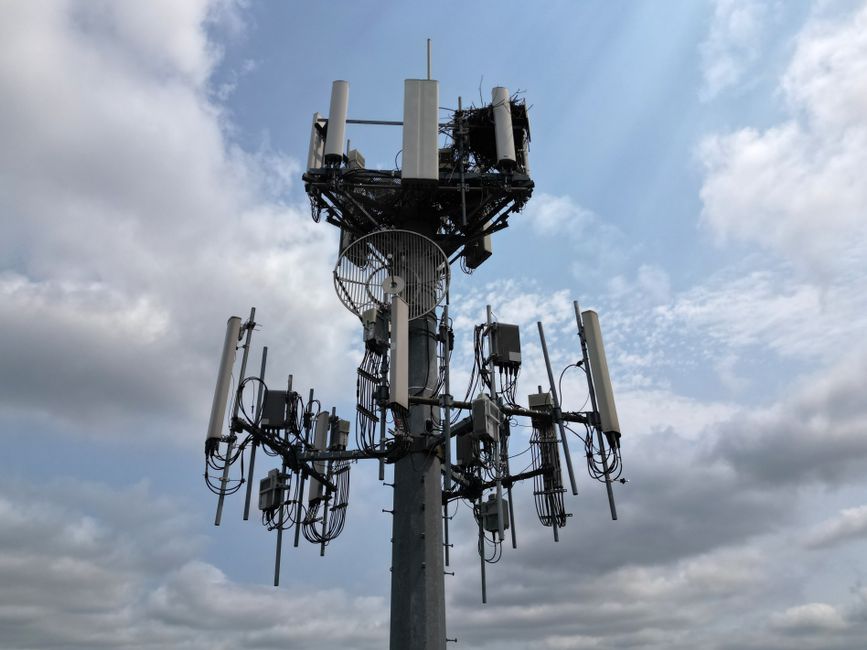
India’s trajectory with Apple provides a strategic blueprint for other high-growth telecom markets in Africa, the Middle East, and Southeast Asia (MENA & APAC regions). The formula combines proactive government policy (PLI-like incentives), local manufacturing/assembly to manage costs and import duties, robust physical and online retail expansion, and most critically, the parallel development of high-capacity digital infrastructure.
For markets like Nigeria, Kenya, Saudi Arabia, and Indonesia, the lesson is clear: attracting and growing a premium device ecosystem is not incidental to telecom growth—it is central to it. Regulators and operators in these regions should note the symbiotic relationship:
- Infrastructure First: Widespread 4G/LTE coverage and early 5G deployment create the necessary platform for high-end device utility.
- Affordability Engineering: Local assembly and operator financing schemes break down the upfront cost barrier for premium devices.
- Ecosystem Development: The presence of flagship brand stores and service centers increases consumer confidence and drives aspirational demand.
- Data Monetization: The resulting influx of high-usage devices directly boosts mobile data revenue, improving operator financials and enabling further network investment.
In Africa, where smartphone penetration is still growing but dominated by low-cost Android devices, Apple’s India playbook suggests a longer-term opportunity. As middle-class populations expand and fiber/5G networks mature in key urban hubs, a premium segment will inevitably emerge. Forward-thinking operators like MTN, Vodacom, and Safaricom should already be engaging with device manufacturers and regulators to lay the groundwork for this transition, ensuring their networks and service portfolios are ready to capture the value.
Forward-Looking Analysis: The Convergence of Silicon, Spectrum, and Services
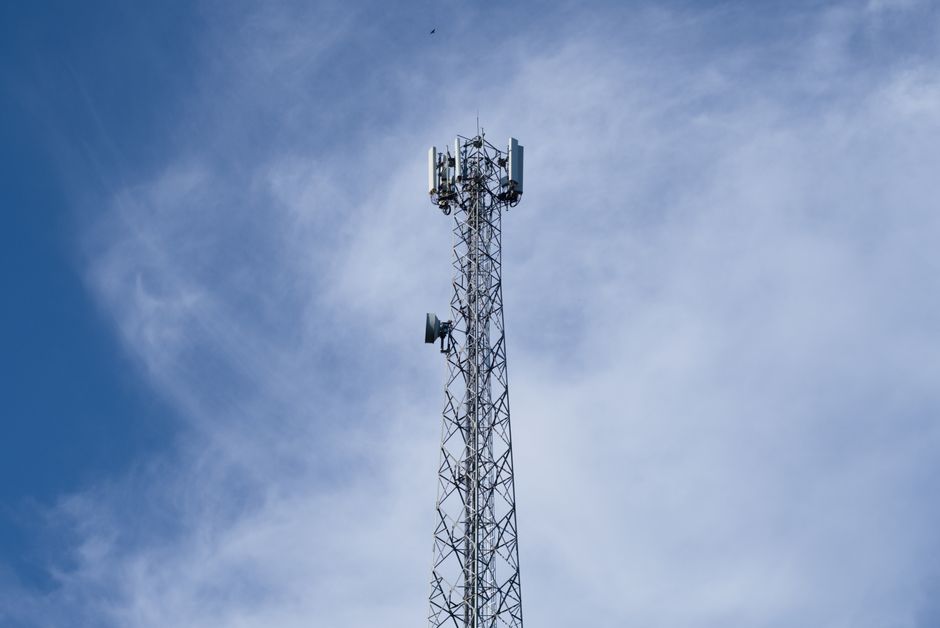
Looking ahead, Apple’s record India quarter is a leading indicator of a deeper convergence trend. The distinction between a “device company” and a “connectivity provider” is blurring. Apple is increasingly embedding global satellite connectivity (Emergency SOS via Satellite, Globalstar partnership) and pushing advanced personal area networking (Ultra Wideband). Meanwhile, telecom operators are moving into content, cloud gaming, and financial services.
The next phase of competition will hinge on who best orchestrates this entire stack. Will Apple and other OEMs leverage their direct customer relationship to become MVNOs or managed service brokers, as seen with Google Fi in the US? Or will operators like Jio and Airtel leverage their network control and customer data to offer deeply integrated, AI-driven device and service experiences that rival the native ecosystem?
For network infrastructure vendors (Ericsson, Nokia, Huawei), the demand generated by millions of new high-performance devices validates the business case for continuous network evolution towards 5G-Advanced and 6G. It also increases the need for network automation and AI-driven optimization to manage the heterogeneous traffic patterns generated by a mix of mass-market and premium users efficiently.
In conclusion, Apple’s financial results are a vital health check for the premium tier of the global telecom market. Its historic performance in India is a testament to successful ecosystem building and a powerful signal to operators worldwide: investing in network quality and strategic device partnerships is not an expense, but the fundamental engine for future revenue growth in an increasingly saturated and competitive connectivity landscape.