
Lava International’s ₹1,100 Crore Investment Signals Strategic Shift in India’s Telecom Hardware Ecosystem
📰Original Source: ETTelecomIndian mobile device maker Lava International announced a strategic ₹1,100 crore (approximately $132 million USD) investment to bolster domestic electronics components manufacturing over the next five years, as reported by ETTelecom. This capital infusion, targeting increased domestic value addition (DVA) from 15% to…
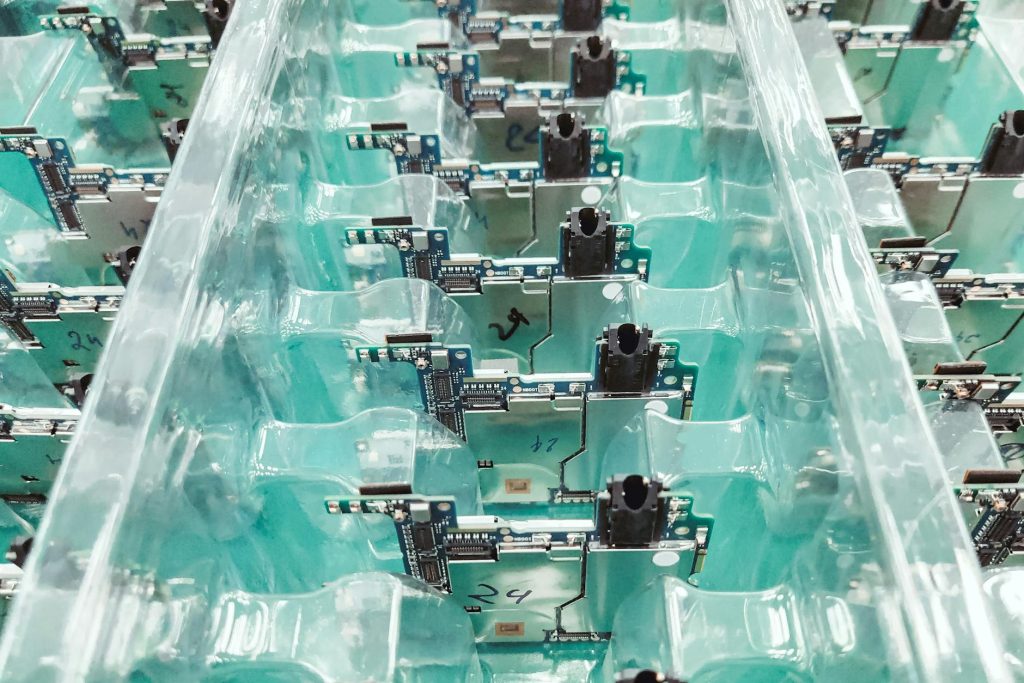
Indian mobile device maker Lava International announced a strategic ₹1,100 crore (approximately $132 million USD) investment to bolster domestic electronics components manufacturing over the next five years, as reported by ETTelecom. This capital infusion, targeting increased domestic value addition (DVA) from 15% to over 50%, represents a critical move to deepen India’s telecom hardware supply chain beyond final assembly. For network operators and infrastructure providers, this signals a potential reduction in import dependency for critical mobile network elements, a shift in procurement strategies, and a strengthening of the local ecosystem necessary for scaling 5G and IoT deployments.
Technical Deep Dive: From Assembly to Component Sovereignty

Lava’s five-year, ₹1,100 crore plan is not merely a capacity expansion; it’s a vertical integration play targeting the foundational layers of mobile device and network infrastructure production. The core technical objective is to escalate Domestic Value Addition (DVA) from a reported 15% to over 50%. This leap necessitates moving upstream from Surface Mount Technology (SMT) assembly lines and final product boxing into the manufacturing of Printed Circuit Board Assemblies (PCBAs), sub-assemblies, displays, and potentially core semiconductors over time.
For telecom, the most significant components are those that intersect with network functionality: PCBAs for customer premises equipment (CPE) like routers and set-top boxes, IoT modules, and eventually Radio Frequency (RF) components. Lava’s existing manufacturing facility in Noida, Uttar Pradesh, which currently produces 4G and 5G smartphones, will likely be the hub for this expansion. The investment will fund advanced machinery for precision component manufacturing, testing labs for telecom-grade reliability, and R&D focused on localization. This technical shift reduces the bill of materials (BOM) vulnerability to global supply chain shocks for Indian operators, a lesson sharply learned during the pandemic and ongoing geopolitical tensions.
Industry Impact: Reshaping Operator Procurement and Network Economics

Lava’s move has direct implications for Mobile Network Operators (MNOs), tower companies, and network infrastructure vendors operating in India and sourcing from the region.
For MNOs (Airtel, Jio, Vodafone Idea): A robust local component ecosystem lowers the total cost of ownership for mass-deployment devices. This includes 5G Fixed Wireless Access (FWA) routers, IoT sensors for smart cities and utilities, and affordable 4G/5G handsets essential for subscriber growth. Operators can negotiate better pricing and supply assurances with device OEMs that source locally, potentially accelerating digital inclusion projects. Furthermore, reduced import logistics and duties can improve the business case for large-scale IoT and enterprise network rollouts.
For Infrastructure Vendors & OEMs: Global players like Nokia, Ericsson, Samsung, and Huawei, as well as Indian OEMs, now have a potential partner for localized sub-assembly production. This aligns perfectly with the Indian government’s Production Linked Incentive (PLI) schemes for telecom and networking products. Vendors can achieve higher PLI benefits by incorporating locally manufactured PCBAs and mechanical parts into their macro radios, small cells, and transmission equipment sold to Indian operators, improving their cost competitiveness.
Competitive Landscape: Lava is not operating in a vacuum. This investment pressures other Indian electronics manufacturers like Dixon, Optiemus, and Bhagwati (Micromax) to similarly move up the value chain. It also complements the massive semiconductor fab investments by the Tata Group and others. The collective effect is the creation of a clustered electronics manufacturing corridor in the Delhi-NCR region, reducing time-to-market and fostering innovation specific to India’s price-sensitive, high-volume telecom market.
Strategic Implications for Global Telecom and the Africa/MENA Corridor
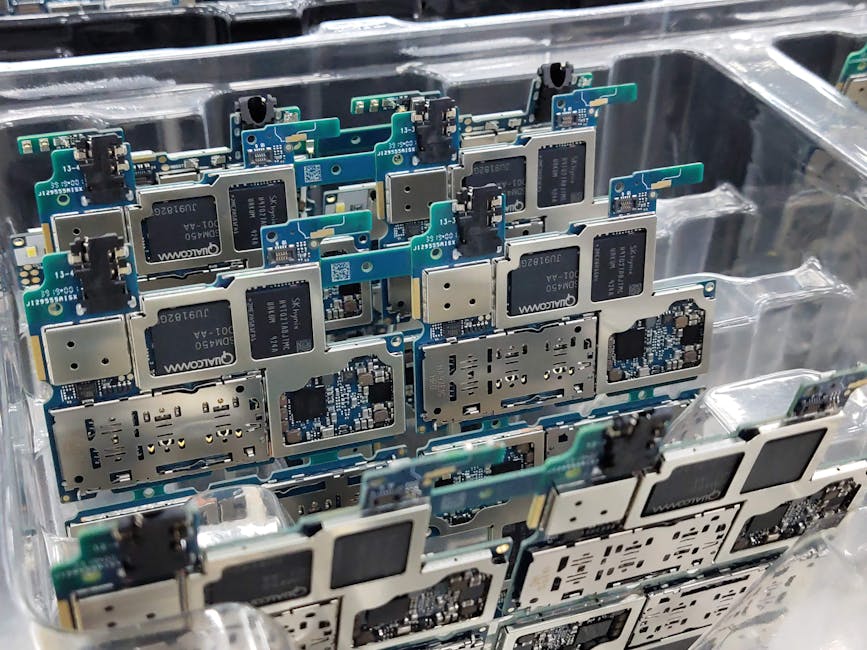
India’s push for electronics manufacturing sovereignty, exemplified by Lava’s investment, has ripple effects beyond its borders, particularly for the Africa and MENA telecom markets.
Export Hub for Emerging Markets: India is strategically positioning itself as a cost-competitive export hub for telecom and networking equipment to Africa and the Middle East. Regions with similar price sensitivity and growing digital infrastructure needs represent a natural export market for locally developed, cost-optimized 4G/5G devices, FWA terminals, and backhaul equipment. Successful localization by Lava and peers could see “Designed and Made in India” hardware competing directly with Chinese offerings in these markets, offering operators an alternative supply chain.
Blueprint for Localization: African nations, many of which are launching their own local content initiatives, will watch India’s PLI and component manufacturing strategy closely. The model of incentivizing not just final assembly but component-level manufacturing provides a more sustainable blueprint for building a domestic tech ecosystem. Partnerships between Indian component makers and African assembly plants could emerge, facilitating knowledge transfer.
Global Supply Chain Diversification: For global telecom operators and investors, a strengthening Indian hardware ecosystem provides a crucial second sourcing option, diversifying risk away from concentrated geographies. This is vital for long-term network infrastructure planning and security.
Forward Look: Component Manufacturing as Critical Infrastructure
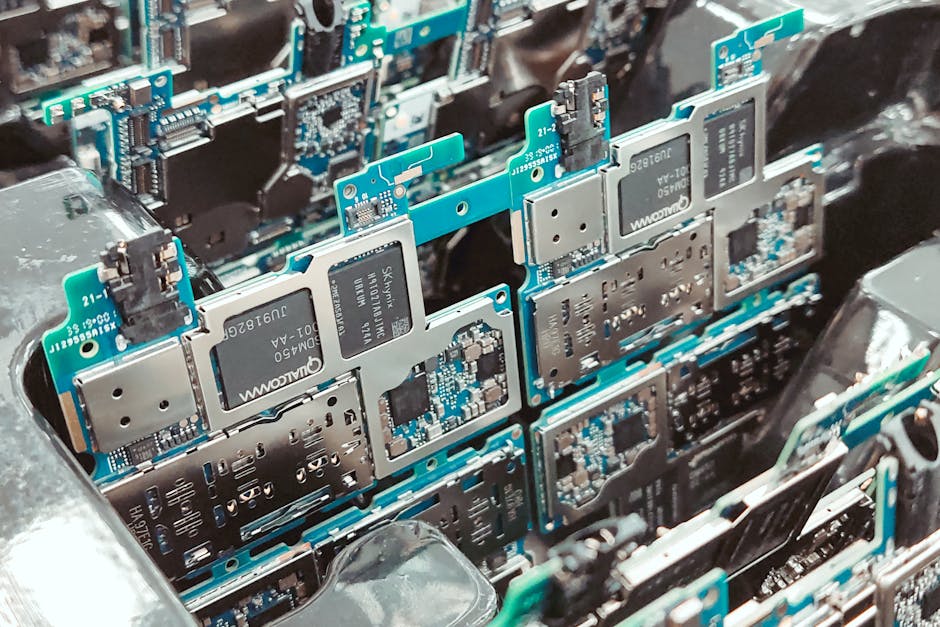
Lava International’s ₹1,100 crore commitment is a bellwether for the Indian telecom sector’s maturation. The industry is recognizing that true self-reliance and strategic security require mastery over the component layer, not just the end-product. For network operators, the future procurement landscape will increasingly favor vendors with deep local manufacturing partnerships, offering better pricing, faster customization, and more resilient supply.
The success of this investment will be measured by its ability to attract further capital into niche areas like RF filter manufacturing, antenna design, and embedded IoT chipsets. As 5G-Advanced and 6G specifications evolve, a domestic R&D and manufacturing base will allow Indian operators and vendors to participate in standard-setting and develop solutions tailored for the subcontinent’s unique density and usage patterns. In the broader global context, India’s electronics manufacturing ascent, powered by investments like Lava’s, is set to redefine the geography of telecom hardware production, with significant implications for cost structures and supply chain strategy worldwide.