Merck KGaA’s Bullish 2026 Outlook Signals Stronger Capex in Telecom Chip Supply Chain
📰Original Source: ETTelecomMerck KGaA Bullish Outlook Driven by Telecom and AI Chip DemandPhoto by Vitaly Gariev Germany’s Merck KGaA, a critical global supplier of high-purity materials for semiconductor manufacturing, has raised its 2026 profit forecast, citing resilient demand for semiconductor materials and supplies for drug…

Merck KGaA Bullish Outlook Driven by Telecom and AI Chip Demand

Germany’s Merck KGaA, a critical global supplier of high-purity materials for semiconductor manufacturing, has raised its 2026 profit forecast, citing resilient demand for semiconductor materials and supplies for drug production. According to a report by ETTelecom on August 7, 2026, the company now expects its 2026 adjusted earnings before interest, taxes, depreciation, and amortization (EBITDA) to reach approximately €7.7 billion, up from a prior forecast of around €7.5 billion. This upward revision, coupled with better-than-expected quarterly results, is a direct signal to the telecom industry about the health and trajectory of the underlying semiconductor supply chain that powers everything from 5G radios and fiber optic transceivers to data center switches and AI accelerators. For telecom operators and equipment vendors, Merck’s performance is a leading indicator of sustained capital expenditure (capex) in advanced chip fabrication, which is foundational for next-generation network rollouts and capacity expansions.
Semiconductor Solutions: The Engine of Telecom Hardware

Merck’s performance is primarily anchored in its Electronics business unit, which supplies essential materials for chip fabrication. This includes everything from ultra-pure chemicals and gases for etching and cleaning silicon wafers to sophisticated deposition materials for building transistor layers. The company reported that demand in this sector remained “resilient,” a crucial finding for the telecom sector. The production of network infrastructure—baseband units, massive MIMO antennas, optical line terminals (OLTs), and core routers—is entirely dependent on a stable and growing supply of advanced semiconductors. Merck’s raised guidance suggests that semiconductor foundries like TSMC, Samsung, and Intel are maintaining or increasing their production capacity investments to meet demand from telecom OEMs like Ericsson, Nokia, Huawei, and Cisco, as well as hyperscalers building AI-ready data centers.
Specifically, the growth drivers Merck highlighted—”AI-related spending” and “semiconductor materials”—are intrinsically linked to telecom’s future. AI workloads are pushing massive investments in data center interconnect (DCI) and high-speed optical transport (e.g., 800G, 1.6T), which require cutting-edge chips. Similarly, the global rollout of 5G-Advanced and early 6G R&D necessitates semiconductors built on more advanced process nodes (e.g., 3nm, 2nm), which consume more of the specialized materials Merck provides. The company’s financial health and optimistic outlook reduce supply chain risk for telecom operators planning large-scale network upgrades.
Impact on Telecom Operators and Network Infrastructure Strategy
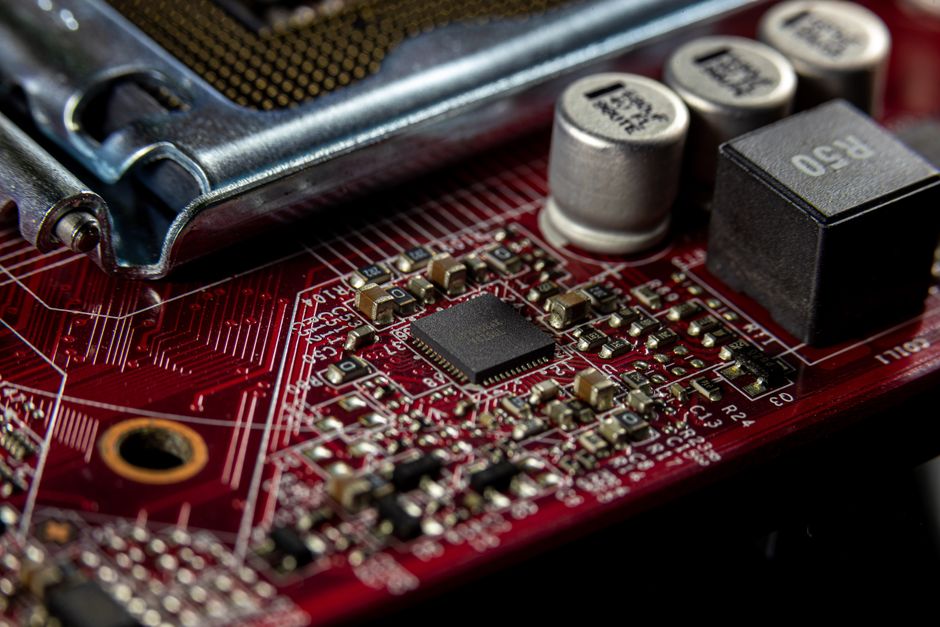
For telecom operators (MNOs) and network infrastructure investors, Merck’s guidance is a macroeconomic indicator with several strategic implications:
- Hardware Cost and Availability: A robust and expanding materials supply chain helps prevent bottlenecks and cost inflation for critical network components. Stable input costs for semiconductor manufacturers can translate into more predictable pricing for telecom OEMs, which is crucial for operators budgeting large capex projects like nationwide 5G SA core deployments or fiber-to-the-premises (FTTP) expansions.
- Capex Planning Confidence: The raised forecast implies that semiconductor foundries are committing to long-term capacity. This gives telecom operators greater confidence that the advanced System-on-Chip (SoC) and optical DSPs needed for their 2026-2027 network roadmaps will be available, mitigating a key execution risk.
- Focus on AI and Cloud-Native Networks: The explicit link to “AI-related spending” validates operator investments in AI-driven network automation, predictive maintenance, and energy efficiency. It also underscores the deepening convergence between telecom and cloud infrastructure, where the same semiconductor advancements power both AI training clusters and telco cloud data centers.
- Supply Chain Diversification: Merck, as a European supplier, represents part of the global effort to diversify the semiconductor supply chain away from concentrated geographic risks. For telecom operators, especially in regions like Europe, India, and the MENA region, a resilient multi-source supply chain for critical materials is a strategic imperative for national security and network resilience.
Global and Regional Implications for Telecom Markets

The implications of a strengthened semiconductor materials sector extend unevenly across global telecom markets:
- North America & Europe: These regions, with aggressive AI and 5G-Advanced agendas, are direct beneficiaries. Operators like AT&T, Verizon, Deutsche Telekom, and Vodafone can proceed with network densification and cloud-native transformation projects, assured by the upstream supply chain’s capacity. It also supports government initiatives like the US CHIPS Act and the European Chips Act, aimed at rebuilding domestic semiconductor ecosystems.
- Asia-Pacific: As the hub of semiconductor manufacturing (Taiwan, South Korea, Japan, and increasingly China), the region is both a consumer and producer. Strong demand from Merck’s customers (e.g., TSMC) signals continued investment in APAC fabs, which in turn supplies the region’s massive telecom equipment makers (e.g., Huawei, ZTE, Samsung Networks) and supports rapid 5G deployment in markets like India, Indonesia, and Vietnam.
- Africa & MENA: For these growth markets, the stability of the global semiconductor supply chain is critical for affordable network expansion. While not direct purchasers of Merck’s materials, African and MENA operators rely on global OEMs for infrastructure. A healthy materials market helps prevent equipment shortages and delays that have historically plagued network rollouts in emerging economies. It also supports the development of local data center and digital infrastructure, which depends on the same semiconductor supply chain.
Forward-Look: Telecom’s Dependency on Advanced Materials
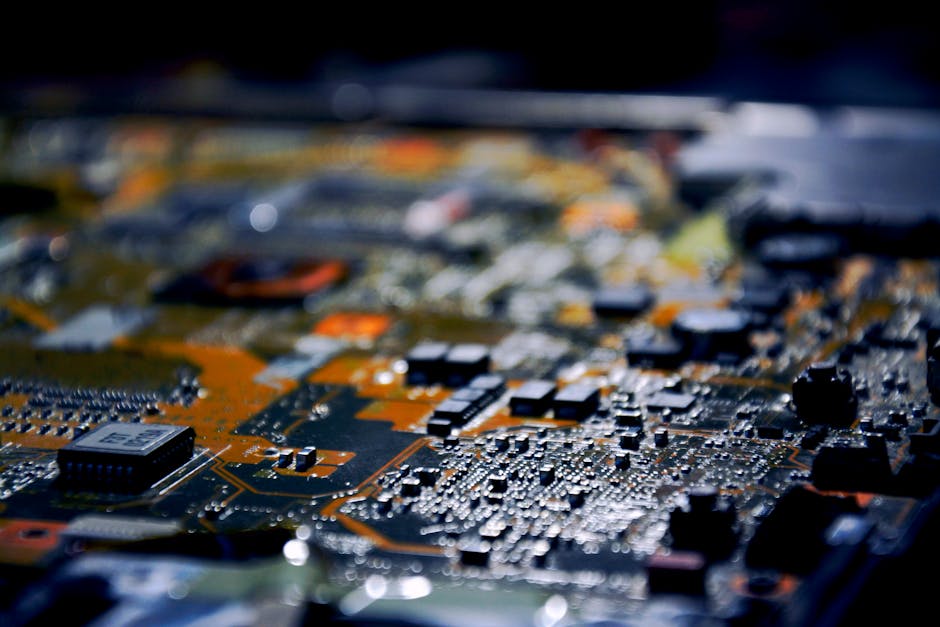
Merck KGaA’s raised 2026 guidance is more than a financial update; it is a barometer for the entire digital infrastructure ecosystem. For the telecom sector, it confirms that the foundational layer of the technology stack—advanced materials science—is keeping pace with the industry’s ambitions. Looking ahead, telecom leaders should monitor this segment for several trends: the pace of innovation in materials for compound semiconductors (crucial for RF and photonics), the geopolitical stability of the supply chain, and the environmental footprint of semiconductor manufacturing. As networks evolve towards AI-native, energy-efficient, and ultra-high-capacity systems, the role of specialized chemical suppliers like Merck will only become more pronounced, making their financial health a key leading indicator for the entire telecom industry’s trajectory.