Qualcomm’s $15 Billion Data Center Chip Forecast Signals Major Shift in AI Infrastructure Market
📰Original Source: ETTelecomSource: ETTelecom, June 25, 2026. Chip giant Qualcomm has set a bold target for its data center business, projecting $15 billion in sales by 2029. This forecast, revealed in a recent investor presentation, represents a seismic shift for a company historically synonymous with…
Source: ETTelecom, June 25, 2026.
Chip giant Qualcomm has set a bold target for its data center business, projecting $15 billion in sales by 2029. This forecast, revealed in a recent investor presentation, represents a seismic shift for a company historically synonymous with smartphone processors and signals a major new front in the intensifying battle for AI-centric silicon. For telecom operators and network infrastructure providers, this move promises to reshape the supply chain for critical AI workloads, from cloud RAN to core network AI inference, potentially increasing vendor options and influencing the architecture of next-generation data centers.
The Technical and Strategic Pivot: From Mobile Modems to AI Data Centers

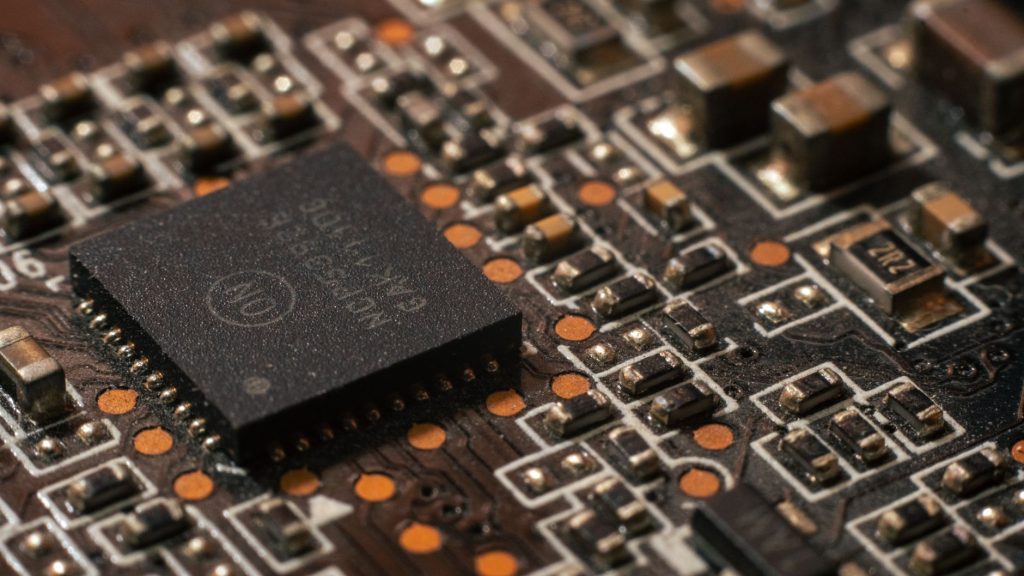
Qualcomm’s projection is not merely an optimistic target; it’s a calculated bet on its differentiated AI architecture. The company’s data center strategy is built on its Cloud AI 100 family of inference accelerators. Unlike the massive, power-hungry GPUs dominating the AI training market, Qualcomm’s chips are engineered specifically for the inference phase—the execution of trained AI models. This is a critical distinction for telecom networks where real-time, low-latency AI applications are paramount, such as network traffic optimization, predictive maintenance, and real-time customer service chatbots.
The $15 billion figure, up from a relatively modest current baseline, hinges on several key factors. First is the sheer volume of the inference market, which analysts project will surpass the training market in scale as AI models become operational. Second is Qualcomm’s focus on energy efficiency, a major pain point for hyperscalers and telecom operators alike as data center power consumption soars. The Cloud AI 100 boasts performance-per-watt metrics that challenge incumbent solutions. Third is design wins with major cloud providers. The company explicitly cited Microsoft and Meta as significant customers, indicating its silicon is already being integrated into the infrastructure that underpins global telecom services and enterprise cloud connectivity.
This pivot leverages Qualcomm’s core competencies in low-power, high-performance heterogeneous computing, honed over decades in the mobile sector. The strategy involves diversifying revenue streams away from the saturated smartphone market and directly attacking the high-growth, high-margin data center AI chip segment, currently led by Nvidia, AMD, and custom silicon from hyperscalers like Google (TPU) and Amazon (Inferentia).
Impact on Telecom Operators and Network Infrastructure

For Mobile Network Operators (MNOs) and telecom infrastructure vendors, the emergence of a strong third player in data center AI silicon has significant implications:
- Supply Chain Diversification & Cost Pressure: The AI hardware market has been characterized by supply constraints and vendor concentration. Qualcomm’s serious entry provides an alternative for operators building out AI-ready telco cloud infrastructure and for vendors like Ericsson and Nokia sourcing components for their Cloud RAN and core network solutions. Increased competition could apply downward pressure on pricing over the long term and improve procurement flexibility.
- Edge AI and vRAN Acceleration: Qualcomm’s heritage in power-efficient design makes its AI accelerators particularly suited for edge data centers and far-edge sites. As operators deploy AI for real-time RAN intelligent controllers (RIC), network slicing orchestration, and video analytics at the edge, chips that balance performance with thermal and power constraints are essential. This could accelerate the deployment of advanced, AI-driven network functions at the edge.
- Infrastructure Strategy for AI-Native Networks: Operators planning their 6G and AI-native network roadmaps must now consider a broader silicon ecosystem. Qualcomm’s roadmap suggests a commitment to the data center, meaning operators can evaluate its accelerators for in-house AI platform development, potentially reducing reliance on bundled solutions from larger cloud providers and fostering more open, multi-vendor network architectures.
- Hyperscaler Partnership Dynamics: With Microsoft Azure already a cited customer, Qualcomm’s silicon will be embedded in the cloud fabric used by countless operators for network functions, OSS/BSS, and customer-facing AI services. This deepens the integration between telecom and cloud infrastructure at the hardware level, influencing future partnership and procurement decisions.
Global and Regional Implications for Telecom Markets
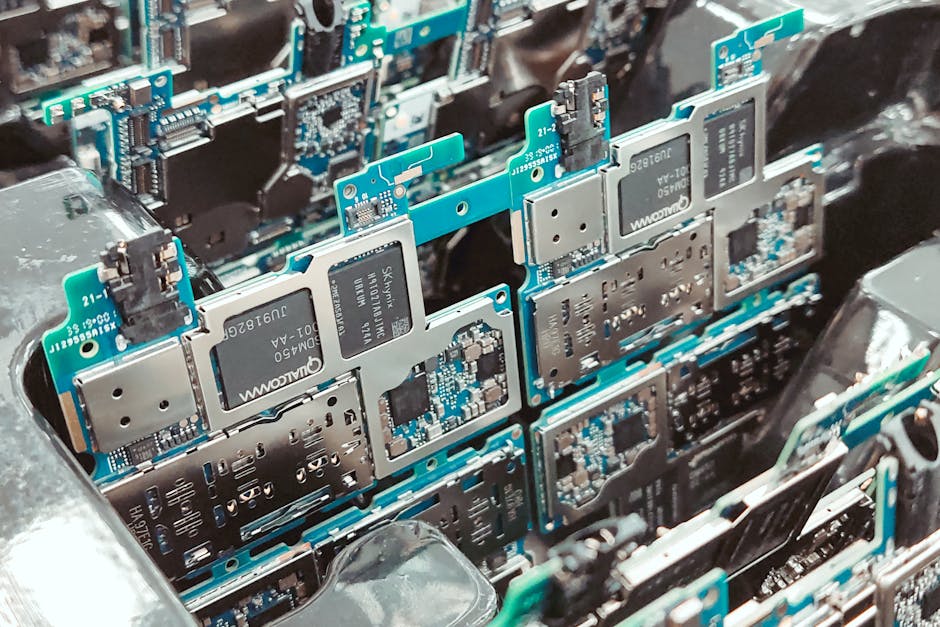
The ripple effects of this silicon competition will be felt worldwide, with specific nuances in emerging markets:
Africa and MENA Regions: Operators in these regions are aggressively modernizing data centers and building new edge facilities to support digital transformation. The availability of more AI accelerator options could lower the entry barrier for deploying sophisticated AI/ML workloads. For instance, operators like MTN, Vodacom, or STC could leverage cost-effective inference silicon for localized use cases such as fraud detection in mobile money, Arabic-language NLP for customer service, or optimizing network capacity in rapidly growing urban centers. Furthermore, regional data center builders (e.g., Gulf Data Hub, Africa Data Centres) may find more competitive bids for equipping AI-ready zones within their facilities.
Global Data Center and Submarine Cable Synergy: The explosion of AI compute directly fuels demand for data center space and the high-bandwidth connectivity between them. A projected $15 billion in Qualcomm data center chip sales by 2029 implies a substantial deployment of new AI server racks globally. This, in turn, increases traffic loads on terrestrial fiber and submarine cable systems, reinforcing the need for investments in new cables like 2Africa, SEA-ME-WE 6, and trans-Pacific routes. Telecom operators with significant infrastructure arms, such as Telxius (Telefónica) or GlobalConnect, will see sustained demand for dark fiber and wholesale capacity linking these AI hubs.
Regulatory and Sovereignty Considerations: As nations scrutinize the geopolitics of technology, a more diversified AI chip supply chain may align with regional sovereignty goals. Initiatives like the EU’s Chips Act or India’s semiconductor push could find synergies with Qualcomm’s global manufacturing partnerships, potentially influencing procurement policies for state-backed telecom operators.
Forward-Looking Analysis: The Telecom Infrastructure Horizon

Qualcomm’s forecast is a leading indicator of the profound hardware transformation underway within telecom infrastructure. The next three years will see the convergence of several trends:
- Silicon Specialization: The era of generic CPUs running all network functions is over. We are moving towards a heterogeneous data center with pools of specialized silicon: GPUs for AI training, inference accelerators (like Qualcomm’s) for AI execution, DPUs for smart networking, and FPGAs for customizable packet processing. Telecom operators must develop the expertise to architect and manage these diverse compute environments.
- The Rise of the “AI-Native” Data Center: Future data centers, from core to edge, will be designed from the ground up for AI workloads. This means new power and cooling designs (liquid cooling for dense AI racks), optimized physical layouts for low-latency interconnects, and management software that treats AI accelerators as first-class citizens. Infrastructure investors must factor this into the design of new facilities.
- Competition Breeds Innovation: With Qualcomm, Nvidia, AMD, Intel, and ARM-based custom chips all vying for market share, the pace of innovation in AI silicon performance-per-watt will accelerate. This is unequivocally positive for telecom operators, as it will lower the cost and energy footprint of running advanced AI services, from network automation to personalized customer experiences.
In conclusion, Qualcomm’s $15 billion data center ambition is more than a corporate revenue target; it is a validation of the central role AI silicon will play in the future of telecommunications. It promises to inject competition into a critical supply chain, drive innovation in power-efficient edge computing, and ultimately shape the capabilities and economics of the AI-powered networks that will define the next decade. Network operators and infrastructure strategists would be prudent to closely monitor this evolving landscape, as the chips that power AI will, in large part, determine the intelligence of the networks they run on.