Airtel Africa Readies $2 Billion Mobile Money IPO, Redefining Telecom Revenue Strategy
📰Original Source: Developing Telecoms / BloombergSource: Developing Telecoms, citing a Bloomberg report, reveals Airtel Africa is preparing a potential initial public offering (IPO) for its mobile money unit, Airtel Mobile Commerce BV (AMC BV), a transaction that could raise between $1.5 billion and $2 billion.…
Source: Developing Telecoms, citing a Bloomberg report, reveals Airtel Africa is preparing a potential initial public offering (IPO) for its mobile money unit, Airtel Mobile Commerce BV (AMC BV), a transaction that could raise between $1.5 billion and $2 billion. This move, slated for 2025-2026, signals a pivotal strategic shift for the telecom operator, monetizing its high-growth financial services arm to unlock capital for network expansion and debt reduction while intensifying competition with rivals like M-Pesa and MTN Mobile Money.
The Anatomy of the Airtel Money IPO and Its Financial Engine

Airtel Africa’s planned IPO centers on AMC BV, the holding company for its mobile money operations across 14 African countries. The unit has been a consistent growth driver, contributing significantly to the group’s revenue diversification away from traditional voice and data. In its fiscal reports, Airtel Africa has highlighted double-digit revenue growth in its mobile money segment, fueled by expanding its services beyond basic person-to-person (P2P) transfers to include merchant payments, international remittances, savings, and credit offerings. The targeted valuation of up to $2 billion reflects investor appetite for Africa’s rapidly digitizing financial landscape, where mobile money penetration often outpaces traditional banking. The capital raise is expected to be structured to attract global institutional investors, with Airtel Africa likely retaining a controlling stake to maintain strategic alignment between its telecom and fintech operations. This follows a precedent set by Safaricom’s M-Pesa dominance in Kenya and MTN Group’s ongoing separation and potential listing of its fintech arm, highlighting a sector-wide trend of carving out and valuing these assets independently.
Strategic Impact on Telecom Operators and Infrastructure Investment

For telecom operators across Africa and other emerging markets, the Airtel Money IPO serves as a masterclass in asset monetization and strategic focus. The infusion of $1.5-$2 billion in fresh capital provides Airtel Africa with a formidable war chest. A primary use of proceeds will be to accelerate capital expenditure (CapEx) in core network infrastructure, including 4G expansion, 5G rollout in key urban markets, and fiber-to-the-home (FTTH) backhaul. This directly strengthens its competitive position against rivals like MTN and Orange. Furthermore, the funds can be used to pare down corporate debt, improving balance sheet health and freeing up cash flow for future investments. Crucially, the IPO creates a dedicated, market-valued entity for mobile money, allowing it to potentially pursue partnerships, mergers, or acquisitions in the fintech space with greater agility. This model pressures other Mobile Network Operators (MNOs) to similarly evaluate their digital services portfolios. The move underscores that future telecom valuation is increasingly tied to success in adjacent digital ecosystems—financial services, IoT, and cloud—not just connectivity margins.
Reshaping the African and MENA Telecom-Fintech Competitive Landscape
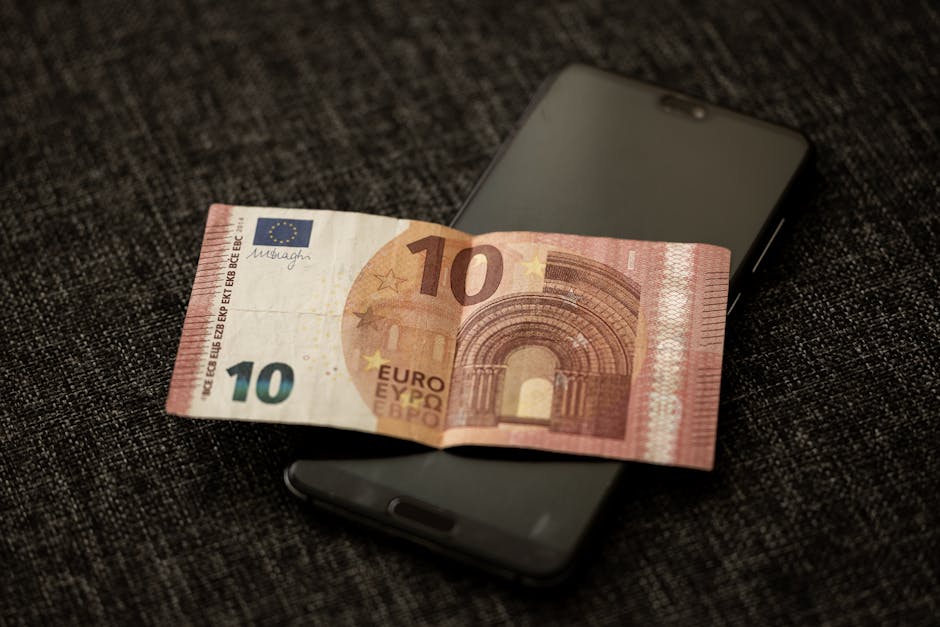
The Airtel Money listing will dramatically alter competitive dynamics in Africa’s telecom and financial services sectors. It legitimizes mobile money as a standalone, high-value business, attracting increased scrutiny from both telecom and financial sector investors. For competitors like MTN Group, which is also advancing plans to separately fund its fintech business, and Orange’s Orange Money, the IPO sets a public market benchmark for valuation, potentially accelerating their own monetization plans. In East Africa, Safaricom’s M-Pesa will face a better-capitalized pan-African rival, possibly spurring innovation and price competition. For markets in West and Central Africa where Airtel is strong—such as Nigeria, Ghana, and Francophone nations—the IPO signals deeper, more sustained investment in digital financial inclusion, challenging traditional banks and payment service providers. The capital raise also empowers Airtel to invest in regulatory technology (RegTech) and compliance systems, a critical area as African governments increase oversight of mobile money. Beyond Africa, operators in the MENA region and South Asia observing similar fintech growth will study this IPO as a blueprint for unlocking value from their own mobile wallet platforms, potentially triggering a wave of similar financial engineering across the global telecom sector.
Forward-Looking Analysis: The New Telecom Valuation Equation
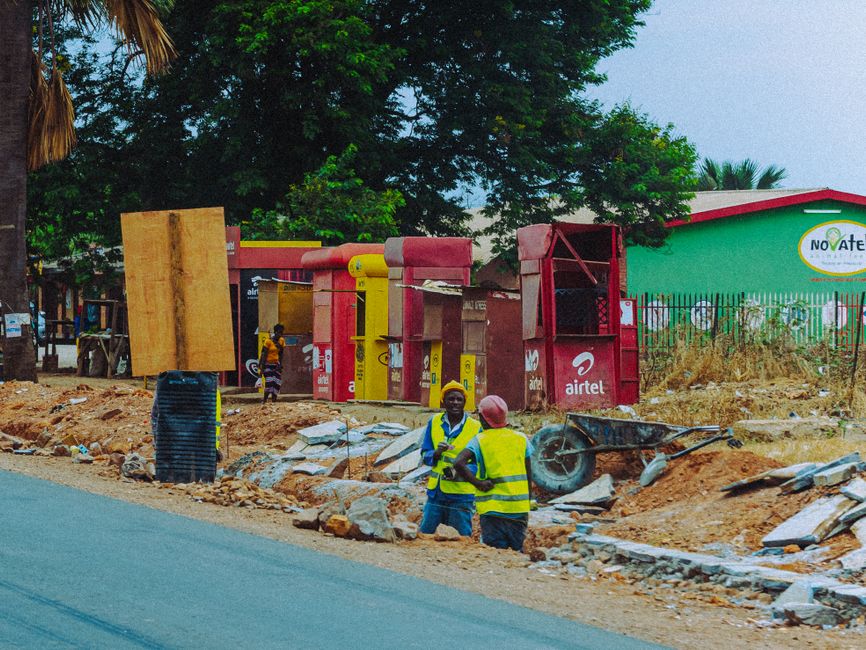
The Airtel Africa mobile money IPO is more than a financial transaction; it is a bellwether for the future of telecom operator strategy. It conclusively demonstrates that network infrastructure is the foundational platform upon which high-margin, scalable digital services are built. Success in the next decade will be defined by an operator’s ability to build, nurture, and ultimately monetize these digital ecosystems. For infrastructure investors, this underscores the enduring value of robust mobile and fiber networks as essential pipes for these revenue streams. For regulators, it highlights the need for frameworks that encourage investment in both physical infrastructure and the digital services it enables, fostering competition while ensuring consumer protection. As Airtel Africa moves forward, the performance of the listed mobile money entity will be closely watched. Its success could catalyze further industry unbundling, with operators potentially listing tower assets, fiber networks, and IoT platforms separately to maximize shareholder value. The era of the monolithic telecom operator is evolving into a constellation of specialized, market-driven businesses, with Airtel’s $2 billion move leading the charge.