Analog Devices Acquires Empower for $1.5B to Power Next-Gen Telecom Infrastructure
📰Original Source: ETTelecomAnalog Devices, Inc. (ADI), a global leader in high-performance semiconductors, has announced a definitive agreement to acquire Empower Semiconductor, a pioneer in integrated voltage regulator (IVR) technology, for $1.5 billion in an all-cash transaction. The deal, reported by ETTelecom, is strategically aimed at…
Analog Devices, Inc. (ADI), a global leader in high-performance semiconductors, has announced a definitive agreement to acquire Empower Semiconductor, a pioneer in integrated voltage regulator (IVR) technology, for $1.5 billion in an all-cash transaction. The deal, reported by ETTelecom, is strategically aimed at bolstering ADI’s power management portfolio to address the soaring energy demands of artificial intelligence (AI) workloads in data centers and, critically, within telecom network infrastructure. For telecom operators, this acquisition signals a pivotal shift in the underlying silicon that will power the next generation of energy-efficient 5G Advanced and 6G radios, edge compute nodes, and core network hardware, directly impacting total cost of ownership (TCO) and sustainability roadmaps.
The Technical Engine: Empower’s Integrated Voltage Regulator (IVR) Breakthrough
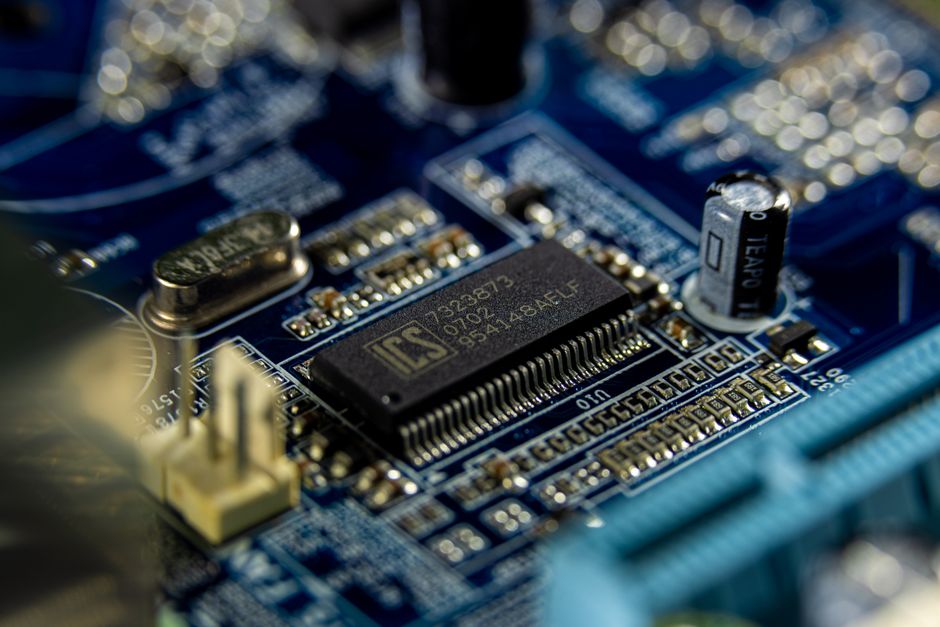
At the core of this $1.5 billion valuation is Empower Semiconductor’s proprietary IVR technology. Traditional power delivery networks (PDNs) in telecom equipment rely on multi-stage, discrete power conversion systems involving bulky inductors, capacitors, and multiple ICs. This architecture suffers from significant energy loss, thermal dissipation challenges, and slow transient response times—critical drawbacks as processor voltages drop and current demands skyrocket in modern ASICs, FPGAs, and CPUs used for baseband processing and network acceleration.
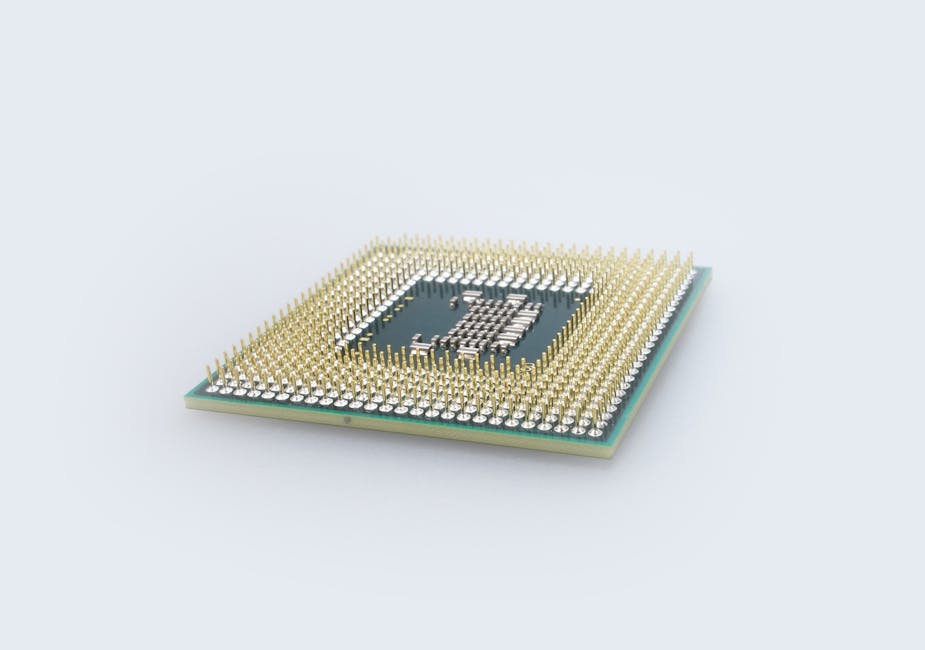
Empower’s IVRs integrate the power inductor and control circuitry into a single, monolithic chip using advanced packaging and semiconductor processes. This integration achieves a radical reduction in form factor—by up to 10x—while delivering superior performance: sub-microsecond transient response, efficiency exceeding 90% even at low voltages, and precise voltage margining. For a telecom OEM designing a massive MIMO Active Antenna Unit (AAU) or an edge server, this means the power supply can be placed millimeters from the load point (e.g., a beamforming chipset), drastically reducing parasitic resistance and inductance. The result is a more stable power rail, higher system reliability, and the ability to support the dynamic, bursty compute profiles inherent to virtualized RAN (vRAN) and AI-driven network optimization engines.
The technical synergy with ADI’s existing portfolio is profound. ADI is a dominant supplier of data converters, clocking, and RF components to the telecom industry. By integrating Empower’s IVRs, ADI can now offer a complete “signal chain to power chain” solution. A system designer at Ericsson, Nokia, or a leading Open RAN vendor could source high-speed ADCs/DACs for radio, precision timing ICs, and now, the optimized power delivery for those very components from a single strategic supplier, simplifying design and accelerating time-to-market for energy-constrained deployments.
Industry Impact: Redefining Power Efficiency for Operators and Infrastructure Vendors

This acquisition is not merely a component supplier story; it has direct and material implications for telecom network operators (MNOs), tower companies, and infrastructure vendors. The relentless growth in data traffic, coupled with the densification required for 5G and the computational intensity of AI at the edge, has made energy the single largest operational expense for many operators, often surpassing even spectrum costs.
For Mobile Network Operators (MNOs), the deployment of thousands of new cell sites, each with more complex radios, presents a crippling energy challenge. Empower’s IVR technology, when designed into next-generation baseband units (BBUs) and remote radio heads (RRHs), can reduce power conversion losses by 15-25%. This translates directly to lower electricity bills and reduced requirements for site cooling, a major Capex and Opex factor. In markets like Africa and the Middle East, where grid power is unreliable and diesel generation is costly, even marginal efficiency gains yield substantial financial and operational benefits, extending battery backup runtime and reducing generator fuel consumption.
For Infrastructure Vendors (Ericsson, Nokia, Samsung, Huawei, Open RAN players), this move by ADI pressures the competitive landscape. Rival chip suppliers like Texas Instruments, Infineon, and Renesas must now respond with their own advanced power integration roadmaps. The acquisition accelerates the industry-wide trend toward higher levels of integration and co-packaged optics/power/signaling. Vendors that can leverage such integrated power solutions will gain a marketing and technical edge by promising lower total cost of ownership (TCO) to their operator customers—a decisive factor in procurement decisions increasingly focused on lifecycle costs and sustainability targets.
Furthermore, for data center operators like Equinix, Digital Realty, and hyperscalers building telecom edge zones, power density is the limiting factor. AI workloads in inference and training for network automation demand unprecedented power per rack. Empower’s IVRs enable more efficient power delivery to GPUs and custom AI accelerators, allowing for higher compute density within the same thermal and power envelope. This is essential for deploying AI-driven network functions (like RAN intelligent controllers – RICs) at the edge in a commercially viable footprint.
Strategic Implications for Global Telecom, Especially in Africa and MENA
The strategic ramifications of this deal are particularly acute for emerging telecom markets in Africa and the MENA region. These regions are characterized by rapid mobile adoption, ambitious national broadband plans, and severe infrastructure challenges, primarily around energy access and cost.
In Africa, where over 600 million people lack reliable electricity, network operators like MTN, Vodacom, Airtel, and Orange are aggressively deploying solar-hybrid and lithium-ion battery solutions to power off-grid and bad-grid sites. The efficiency of every watt from panel or battery to the radio directly impacts the viability of network expansion. ADI’s enhanced power portfolio, incorporating Empower’s IVRs, provides chip-level solutions that can increase the effective capacity of these alternative energy systems. A 20% improvement in power conversion efficiency could mean the difference between deploying a 4G site or a full 5G site with the same solar array, or extending site coverage by hours on battery backup during grid outages.
For Middle Eastern operators such as stc, Etisalat by e&, and Ooredoo, who are leading global deployments of 5G-Advanced and investing heavily in AI and cloud-native networks, the focus is on building future-proof, sustainable infrastructure. Nations like Saudi Arabia and the UAE have national visions (Vision 2030, UAE Centennial 2071) mandating reductions in carbon emissions and improvements in technological sovereignty. Adopting hardware built with the most energy-efficient semiconductors aligns with these regulatory and strategic goals. It also reduces the thermal load in often harsh desert environments, improving hardware longevity and reducing cooling-related water consumption in data centers.
Globally, this acquisition reinforces the vertical integration trend in the semiconductor industry, where companies are building end-to-end platforms to lock in design wins. For telecom, this means fewer, more powerful suppliers controlling critical paths in the hardware bill of materials. This could lead to supply chain concentration risks but also drive faster innovation cycles as semiconductor leaders like ADI directly invest in solving the sector’s most pressing problems—with energy efficiency at the top of the list.
Forward-Looking Analysis: Power Silicon as a Critical Telecom Infrastructure Layer

The Analog Devices-Empower deal underscores a fundamental truth for the telecom sector: power management silicon is no longer a commodity peripheral; it is a critical, strategic layer of network infrastructure. As we advance toward 5G-Advanced, 6G, and the pervasive integration of AI, the power demands of network elements will continue their non-linear rise. The industry’s ability to scale sustainably is directly tied to innovations at the chip level that reduce wasted energy.
Looking ahead, we anticipate three key developments:
- Co-Packaged Power and Optics: The next logical step is the integration of IVRs with optical engine chips for fronthaul and midhaul. ADI, with its strength in both domains, is now uniquely positioned to drive this convergence, enabling ultra-compact, efficient disaggregated RAN units.
- Standardization Pressure: Operators, through forums like the O-RAN Alliance and Telecom Infra Project (TIP), may begin to specify power efficiency benchmarks and preferred architectures for power delivery in white-box hardware, formalizing the role of advanced PMICs.
- M&A Ripple Effects: This transaction will likely trigger further consolidation in the power semiconductor space, as other players seek to match ADI’s integrated offering. This could include acquisitions by RF giants or even strategic investments by large OEMs to secure their silicon roadmap.
For telecom executives and network planners, the message is clear: engage with your hardware vendors on their power architecture roadmap. The choices made at the component level today will dictate your network’s energy profile, operational costs, and carbon footprint for the next decade. The $1.5 billion investment by Analog Devices is a definitive bet that the future of telecom will be powered not just by data, but by radically more intelligent and efficient electricity.