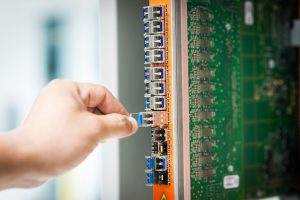
Intel’s AI Data Center & Foundry Strategy Under Scrutiny as Q2 Earnings Approach
📰Original Source: ETTelecomSource: ETTelecom, reporting on Intel’s upcoming Q2 2026 earnings report and its implications for the AI-driven semiconductor rally. The telecom industry’s focus is on Intel’s progress in AI-optimized data center silicon and its nascent foundry services, which are critical for next-gen network infrastructure.…
Source: ETTelecom, reporting on Intel’s upcoming Q2 2026 earnings report and its implications for the AI-driven semiconductor rally. The telecom industry’s focus is on Intel’s progress in AI-optimized data center silicon and its nascent foundry services, which are critical for next-gen network infrastructure.
Intel’s Telecom-Relevant Portfolio: Data Center AI, Edge, and Foundry Ambitions
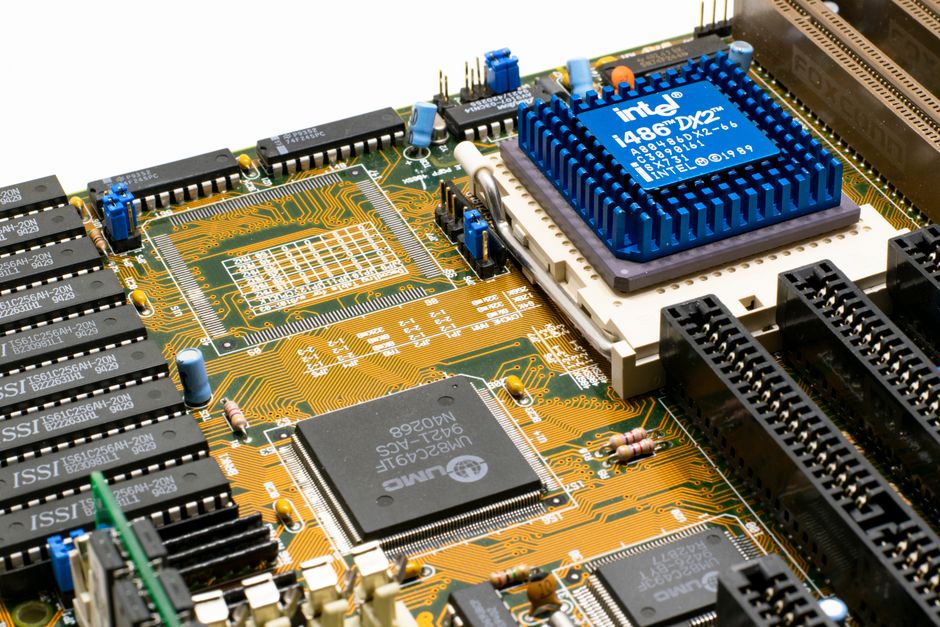
Intel’s forthcoming financial results, due for release after market close on July 23, 2026, will serve as a critical barometer for the sustainability of the AI investment cycle within the telecom and cloud infrastructure sector. While consumer PC demand remains a segment, the core narrative for network operators and hyperscalers revolves around Intel’s Data Center and AI (DCAI) group and its Intel Foundry Services (IFS) unit. Analysts, according to LSEG data cited in the original report, are projecting a significant year-over-year revenue increase to approximately $17.21 billion for the quarter, driven largely by demand for AI and high-performance computing (HPC) components.
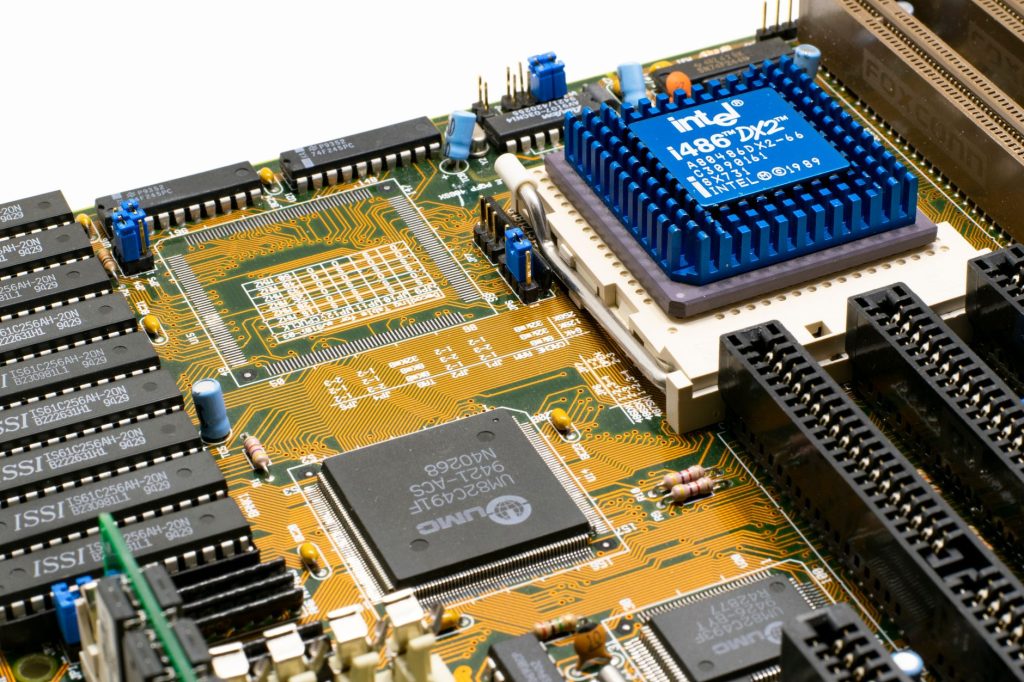
For telecom, the key products under scrutiny are the Xeon 6 processors (codenamed Sierra Forest and Granite Rapids), which are engineered for dense, efficient cloud-native workloads and AI inference at the edge. Furthermore, Intel’s Gaudi AI accelerators represent its direct challenge to NVIDIA’s dominance in the AI training and inference market, a space where telecom operators are increasingly investing for network automation, customer-facing AI services, and private 5G/6G applications. The performance and ramp of Gaudi 3 will be a focal point. Technically, the transition to the Intel 3 and Intel 18A process nodes is paramount. Successful execution on these advanced nodes is not just about CPU performance; it directly impacts the power efficiency and total cost of ownership for massive telecom data centers and future Open RAN (O-RAN) distributed units (DUs).
Strategic Impact on Telecom Operators and Network Infrastructure Vendors

The health of Intel’s DCAI and IFS businesses has direct and indirect consequences for the global telecom ecosystem.
1. Supply Chain Diversification & Cost: A competitive Intel in the AI accelerator and data center CPU market provides crucial leverage for telecom operators and their cloud partners in negotiations with NVIDIA and AMD. It mitigates supply chain concentration risk, which has been a persistent concern following the pandemic-era chip shortages. For network equipment providers like Ericsson, Nokia, and Cisco, a robust second source for high-performance, low-power silicon for routers, switches, and O-RAN hardware is essential for meeting global deployment timelines and cost targets.
2. The Foundry Wildcard for Telecom ASICs: Intel Foundry Services aims to become a major Western-based alternative to TSMC and Samsung for manufacturing custom silicon. This is highly relevant for telecom. Major operators (e.g., AT&T, Verizon) and large-scale infrastructure vendors are increasingly designing their own Application-Specific Integrated Circuits (ASICs) for tasks like packet processing, beamforming, and encryption acceleration. A reliable, geopolitically favorable advanced-node foundry option in the US or EU could accelerate this trend, leading to more optimized, proprietary network hardware. Any confirmation of a major foundry customer—such as the rumored but unconfirmed deal with Apple for processor manufacturing highlighted in the source report—would validate IFS’s technological roadmap and provide the scale needed for long-term viability.
3. Edge Computing & vRAN Economics: Intel’s fortunes are tied to the economic viability of virtualized Radio Access Networks (vRAN) and Multi-access Edge Computing (MEC). The company’s Xeon processors with built-in accelerators (like vRAN Boost) are the default choice for most commercial vRAN deployments. Strong Intel earnings driven by edge and network cloud segments would signal healthy investment by operators in these next-generation architectures. Conversely, weakness could indicate delays in vRAN rollout schedules or share loss to ARM-based alternatives from Ampere or NVIDIA.
Global and Regional Implications: Africa, MENA, and Geopolitical Shifts

The dynamics of Intel’s strategy ripple through emerging telecom markets in Africa and the Middle East and North Africa (MENA) in specific ways.
1. Infrastructure Affordability: A competitive AI and data center silicon market puts downward pressure on component costs over time. For operators in price-sensitive regions, this can improve the business case for deploying AI-driven network optimization, fraud management, and customer service platforms. It also makes cloud partnerships for core network functions more financially attractive.
2. Technology Access and Sovereignty: Geopolitical tensions have made technology supply chains a national security concern. Several MENA nations (e.g., Saudi Arabia, UAE) and larger African economies (e.g., Nigeria, Kenya) are making significant investments in sovereign cloud and data center capabilities. Intel’s success in establishing a leading-edge foundry footprint in the US and potentially Europe offers these regions a more diversified sourcing strategy for critical infrastructure hardware, reducing over-reliance on Asian supply chains.
3. Localized AI Development: The availability of more affordable and accessible AI training and inference hardware (including Intel’s Gaudi) could accelerate the development of localized AI models and applications tailored to African languages, consumer behaviors, and agricultural or financial services needs. Telecom operators, as the primary digital gateways, stand to benefit from the ecosystem growth this would foster.
Forward-Looking Analysis for the Telecom Sector
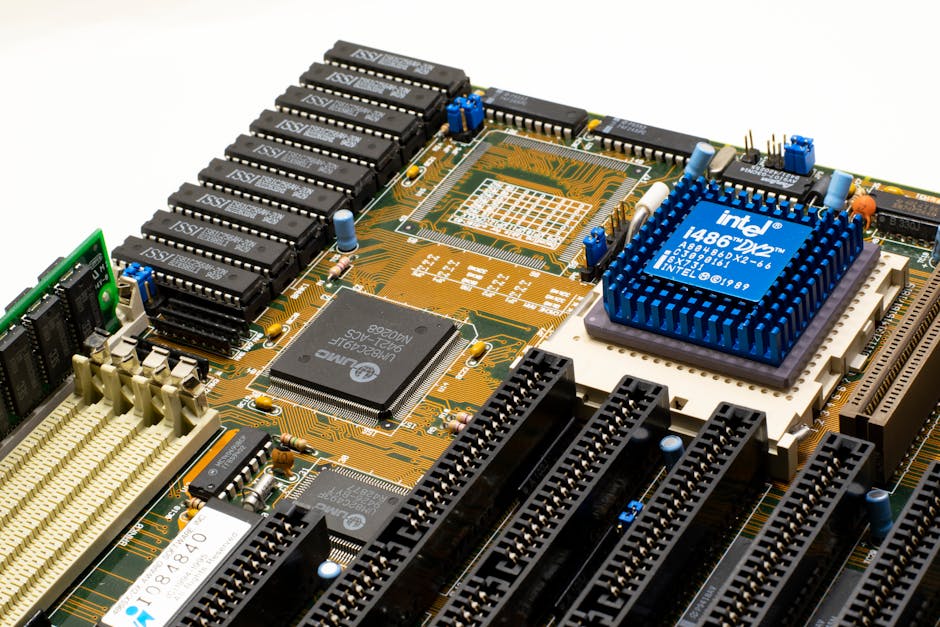
Intel’s Q2 2026 earnings call will be parsed for specific telecom-centric metrics: growth rates in the Network and Edge segment, commentary on vRAN customer engagements, updates on Gaudi accelerator adoption by cloud service providers (who then offer AI-as-a-service to telcos), and tangible progress in the IFS pipeline.
The overarching question for the telecom industry is whether the AI infrastructure build-out is entering a more sustainable, diversified phase or remains a narrow, GPU-dominated boom. A strong showing from Intel would indicate the former, suggesting that AI workloads are broadening to include inference, edge processing, and data management—all areas where telecom networks play a central role. It would also reinforce the strategic importance of silicon diversity for network resilience and innovation.
Conversely, if Intel’s results disappoint, particularly in DCAI, it may signal that the AI investment wave is still highly concentrated, potentially leading to continued capex focus by operators on partnering with hyperscalers rather than building their own AI-native infrastructure. It would also place greater urgency on alternative architectures, such as ARM-based servers and specialized telecom silicon from vendors like Marvell, to drive the next phase of network efficiency gains.
Ultimately, Intel’s performance is a proxy for the depth and breadth of digital infrastructure modernization. For telecom executives, the key takeaway will be the need to maintain a multi-vendor, heterogeneous silicon strategy for their networks, data centers, and AI ambitions, ensuring flexibility and competitive pricing in a market whose fundamental building blocks are in a state of intense competition and rapid evolution.