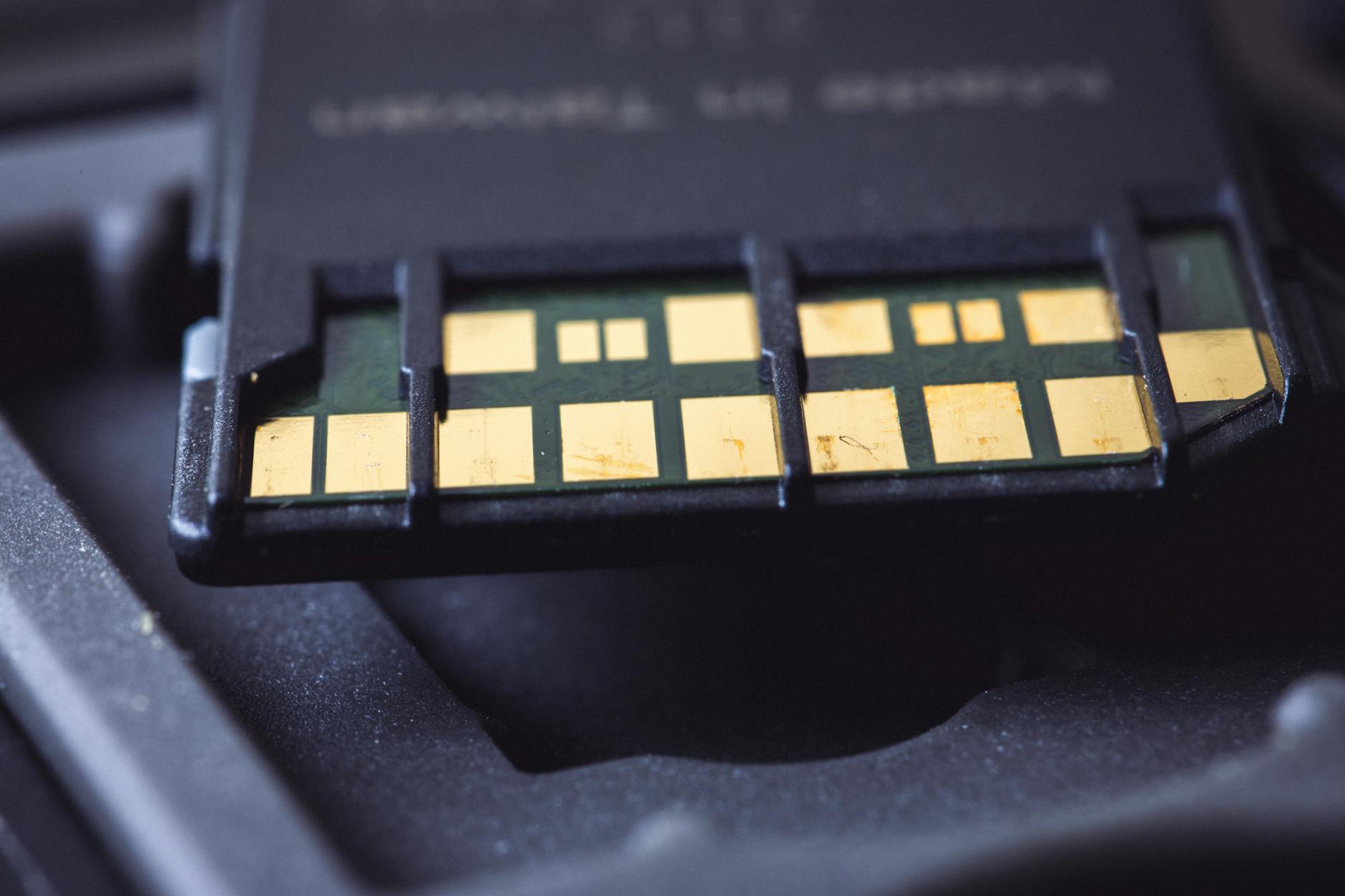
Japanese memory chipmaker Kioxia Holdings Corp. anticipates a record-breaking operating profit of approximately ¥1.2 trillion ($8.2 billion) for its fiscal first quarter ending June 2024, according to a report by ETTelecom. This staggering figure, fueled by unprecedented demand for high-performance NAND flash memory from hyperscale AI data center builds and advanced smartphones, underscores a fundamental shift in the semiconductor supply chain with direct consequences for telecom network equipment, edge computing, and data center infrastructure globally. For telecom operators and infrastructure providers, this surge signals escalating costs and potential supply constraints for critical network components reliant on advanced memory, from 5G core routers to AI-enabled radio units and edge servers.
Technical Deep Dive: The AI Memory Bottleneck and NAND’s New Role
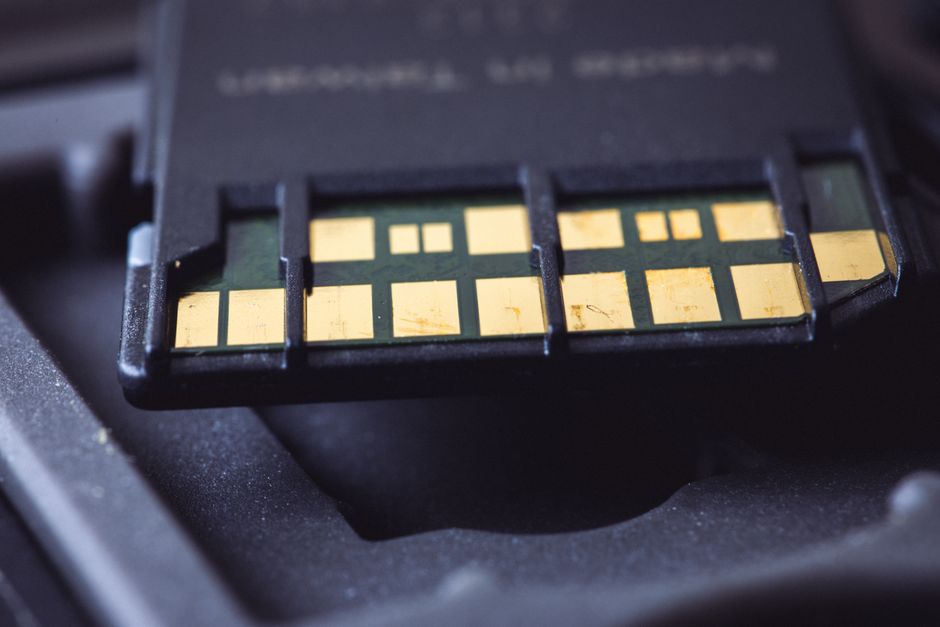
Kioxia’s projected profit is not an isolated event but a symptom of a structural change in memory demand. The AI boom, particularly the training and inference of large language models (LLMs), has created an insatiable appetite for High Bandwidth Memory (HBM) and high-performance storage. While HBM, dominated by SK Hynix and Samsung, gets most of the attention for GPU adjacency, the data pipeline demands high-speed, high-endurance NAND flash for fast data loading and checkpointing. Kioxia, the world’s second-largest NAND flash producer after Samsung, is a critical supplier of BiCS FLASH 3D NAND used in enterprise SSDs, data center storage arrays, and increasingly in computational storage drives (CSDs).
From a telecom infrastructure perspective, this matters profoundly. Modern network functions, especially in 5G Standalone (SA) cores and Open RAN architectures, are virtualized and containerized, running on commercial off-the-shelf (COTS) servers. The performance of these servers—handling user plane functions (UPF), session management, and network slicing—is heavily dependent on storage I/O. Low-latency, high-throughput NVMe SSDs are now a standard requirement, not a luxury. Kioxia’s financial windfall indicates that prices for these components are firming or rising, directly impacting the bill of materials (BOM) for telecom cloud infrastructure. Furthermore, the push for AI at the edge—for network optimization, predictive maintenance, and new enterprise services—requires rugged, high-performance storage in far-edge locations, another growth vector for specialized NAND products.
Industry Impact: Supply Chain Pressures and Strategic Sourcing for Operators
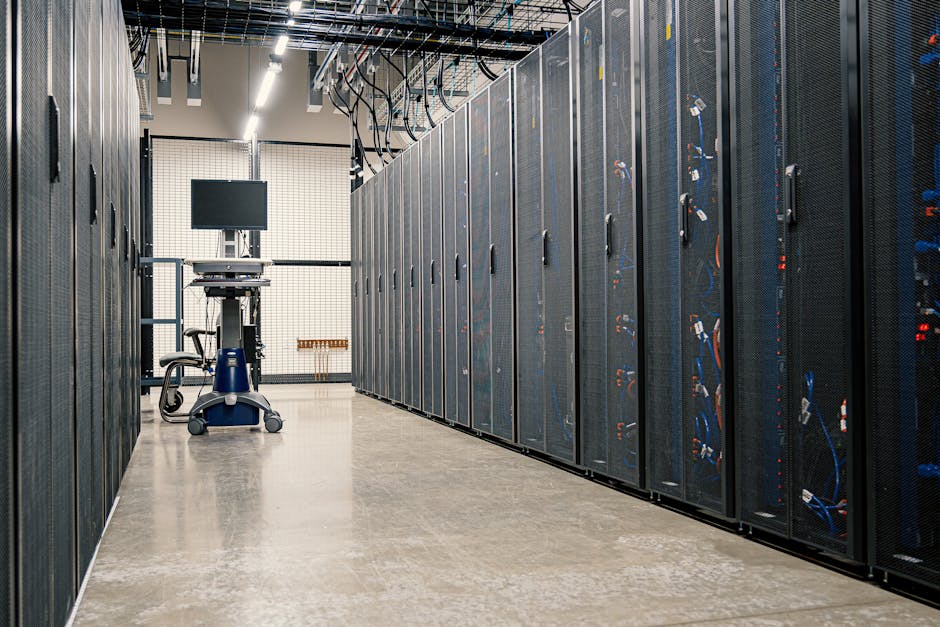
The record profits at Kioxia, and similar results expected from competitors like Samsung and Micron, present a dual-edged sword for the telecom industry. On one hand, a healthy memory sector ensures continued R&D investment in next-generation technologies like 200+ layer 3D NAND, PLC (penta-level cell), and CXL (Compute Express Link) attached memory, which will be essential for future 6G and AI-native networks. On the other hand, concentrated profitability can lead to supply allocation priorities and pricing power that disadvantages buyers outside the largest hyperscalers.
Telecom network equipment providers (NEPs) like Ericsson, Nokia, Huawei, and the burgeoning Open RAN ecosystem players (e.g., Mavenir, Rakuten Symphony) source memory chips for their hardware. A tight memory market with rising prices squeezes their margins and can lead to longer lead times for crucial equipment like radio units, distributed units (DUs), and centralized units (CUs). For mobile network operators (MNOs) rolling out 5G SA or upgrading their core networks, this translates to potential deployment delays and higher capital expenditure (CapEx). Strategic sourcing and forward purchasing agreements will become critical components of network rollout plans. Operators may need to deepen relationships with NEPs to secure component allocation, mirroring strategies used in the automotive industry during chip shortages.
Additionally, the AI-driven demand is accelerating industry consolidation. Kioxia’s renewed financial strength could impact its long-mooted merger talks with Western Digital’s flash business. A successful merger would create the world’s largest NAND flash producer, controlling over one-third of the market, further centralizing supply. For telecom buyers, this increases counterparty risk and underscores the need for diversification in their supplier base for critical infrastructure components.
Regional and Strategic Implications: Africa, MENA, and the Global Infrastructure Race

The implications of the memory crunch are not evenly distributed. For telecom markets in Africa and the Middle East and North Africa (MENA) region, which are in a critical phase of 4G expansion and initial 5G deployments, supply chain disruptions and cost inflation pose significant challenges. These regions often operate on tighter budgets and may face longer wait times for equipment as vendors prioritize deliveries to higher-margin, more predictable markets like North America, Europe, and parts of Asia.
However, this dynamic also presents an opportunity. The AI infrastructure race is global, and data localization laws in regions like the Middle East (e.g., Saudi Arabia’s Vision 2030, UAE’s AI strategy) are driving massive investments in local cloud and AI data centers. These facilities require the same high-performance storage as their global counterparts. Suppliers like Kioxia may see strategic value in engaging directly with these high-growth markets. For African operators, partnering with hyperscalers (like AWS, Microsoft Azure, Google Cloud) for edge deployments could provide a buffer, as the hyperscalers’ immense purchasing power secures component supply for their distributed edge zones.
Strategically, the memory boom reinforces the need for telecom operators to view their infrastructure through a compute-storage-network lens. Network-as-a-Service (NaaS) models and cloud-native architectures are not just software decisions; they are hardware dependency choices. Operators must develop more sophisticated supply chain intelligence, monitoring semiconductor market trends as closely as they track spectrum auctions or fiber rollout costs. Investing in software-defined infrastructure that can abstract hardware dependencies and leverage commodity components where possible will be a key resilience strategy.
Forward-Looking Analysis: Memory as a Critical Telecom Infrastructure Pillar

Kioxia’s $8.2 billion quarterly profit is a stark indicator that memory has graduated from a commodity component to a strategic, performance-defining element of modern telecom networks. The trajectory points toward several key developments for the sector:
- Increased Vertical Integration: Major NEPs and large operators may explore deeper partnerships or even investments in memory technology to secure supply and co-design optimized solutions for telecom workloads, similar to how hyperscalers design their own server chips.
- Rise of Computational Storage: The convergence of memory and processing will accelerate. Computational Storage Drives (CSDs), which process data where it resides, could offload tasks from central CPUs in edge network nodes, improving efficiency for AI inference in RAN intelligent controllers (RICs).
- Supply Chain as a Competitive Differentiator: Operators with robust, diversified, and strategic component sourcing will achieve greater network rollout agility and cost control. This may advantage larger operator groups with global scale.
- Regulatory Scrutiny: The potential consolidation in the memory market (e.g., a Kioxia-WD merger) will attract regulatory attention globally. Telecom regulators, concerned with network resilience and fair access to equipment, may begin to factor semiconductor supply concentration into their market analyses.
In conclusion, the seismic shift in the memory market, exemplified by Kioxia’s record profits, is not a distant supply chain story but a core telecom infrastructure issue. The performance, cost, and availability of advanced NAND flash are now directly linked to the capabilities and economics of 5G, edge computing, and AI-driven networks. Telecom leaders must elevate their understanding of this landscape and adapt their procurement, architecture, and partnership strategies accordingly to navigate the new era of memory-driven network performance.
About the Author