
NMTronics Targets PCB Manufacturing Equipment, Signaling India’s Telecom Hardware Supply Chain Shift
📰Original Source: ETTelecomSource: ETTelecom, June 19, 2026. Indian electronics manufacturing services firm NMTronics is actively pursuing entry into the critical printed circuit board (PCB) manufacturing equipment segment, seeking global technology partnerships to capitalize on India’s rapidly expanding electronics and telecom infrastructure build-out. This strategic pivot,…
Source: ETTelecom, June 19, 2026.
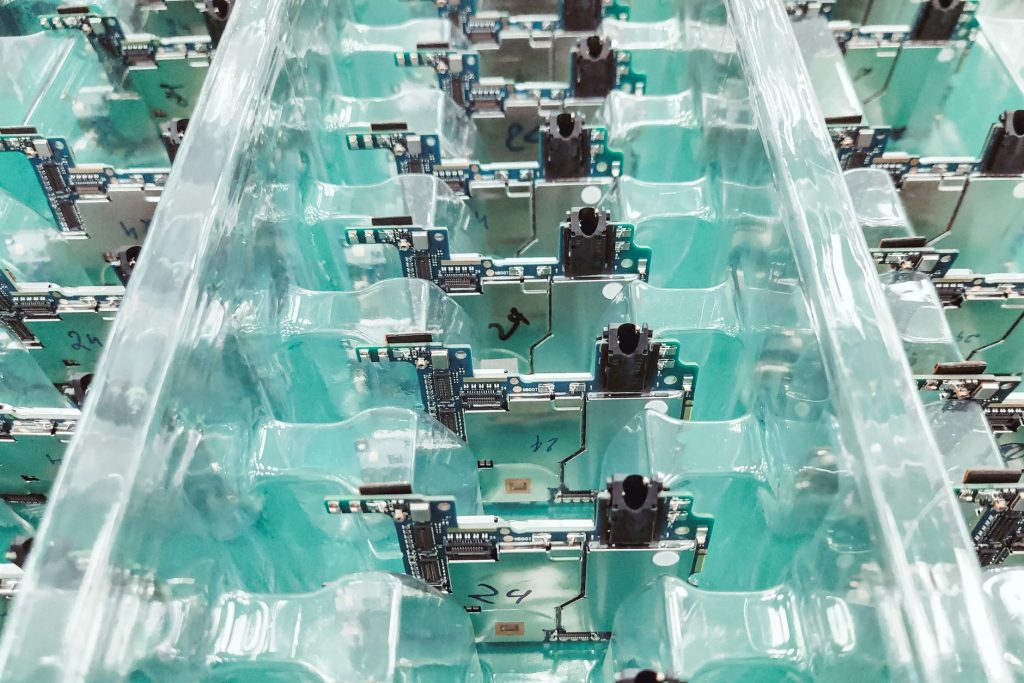
Indian electronics manufacturing services firm NMTronics is actively pursuing entry into the critical printed circuit board (PCB) manufacturing equipment segment, seeking global technology partnerships to capitalize on India’s rapidly expanding electronics and telecom infrastructure build-out. This strategic pivot, as reported by ETTelecom, signals a deepening of India’s domestic hardware supply chain ambitions, directly impacting the cost, lead times, and strategic autonomy for telecom network equipment manufacturers (NEMs) and mobile network operators (MNOs) reliant on imported PCBs for everything from 5G radios to core network switches.
Deep Dive: The Strategic Gap in Telecom Hardware Manufacturing

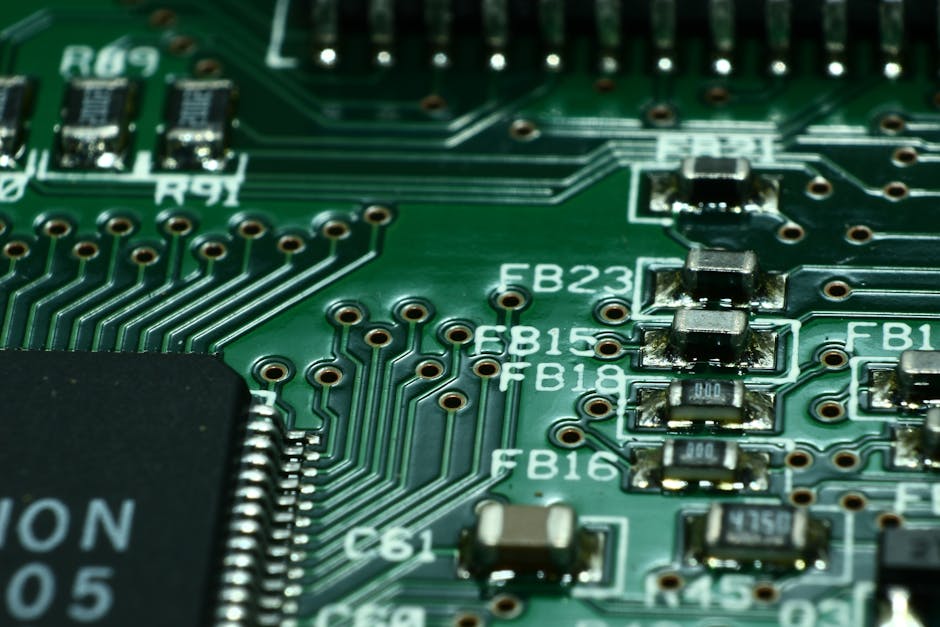
PCBs are the foundational substrates upon which all modern telecommunications equipment is built. High-frequency, multi-layer PCBs with advanced materials like Rogers or Taconic laminates are essential for 5G mmWave antenna modules, Massive MIMO radios, and high-speed optical transceivers. Similarly, complex, high-density interconnect (HDI) PCBs form the backbone of core routers, data center switches, and edge computing appliances. Currently, a significant portion of these advanced PCBs for the Indian telecom market are imported, primarily from China, Taiwan, and South Korea, creating supply chain vulnerabilities, extended lead times, and foreign exchange outflows.
NMTronics’ planned foray isn’t into PCB fabrication itself initially, but into the capital-intensive equipment that enables it. This includes machinery for:
– Surface Mount Technology (SMT) Lines: Automated pick-and-place machines, reflow ovens, and solder paste printers for populating components onto PCBs.
– Automated Optical Inspection (AOI) & X-Ray Systems: For quality assurance of solder joints and component placement, critical for network reliability.
– Drilling and Routing Equipment: For creating micro-vias and complex board geometries required in HDI designs.
– Testing & Burn-in Rigs: For validating PCB assemblies under simulated operational loads, a key step for carrier-grade hardware.
By targeting equipment supply and potentially local assembly through joint ventures, NMTronics aims to lower the barrier to entry for domestic PCB fabs. This aligns with the Indian government’s Production Linked Incentive (PLI) schemes for telecom and networking products and the broader “Make in India” initiative for critical infrastructure.
Industry Impact: Reshaping Telecom Sourcing and Network Economics

The development of a local PCB manufacturing ecosystem has profound implications for telecom operators and infrastructure players.
For Network Equipment Manufacturers (NEMs) like Nokia, Ericsson, Samsung, and domestic players like Sterlite Tech and Tejas Networks: A reliable local source for advanced PCBs can drastically reduce logistics costs and import duties, improving margins on India-sourced equipment. It enables faster prototyping and iteration for India-specific product variants. However, it also introduces a new variable: they must qualify and audit new local PCB suppliers to meet stringent global quality and reliability standards—a non-trivial process for carrier-grade hardware.
For Mobile Network Operators (MNOs) like Reliance Jio, Bharti Airtel, and Vodafone Idea: A domestic supply chain for critical components translates to greater supply security, potentially lower capital expenditure (CapEx) on network rollouts (if cost savings are passed on), and faster deployment cycles. It reduces exposure to global geopolitical tensions that can disrupt electronics imports. For operators also investing in Open RAN and disaggregated networks, local PCB capabilities could foster a more vibrant ecosystem of domestic radio unit (RU) and distributed unit (DU) vendors.
For Tower Infrastructure Companies (like Indus Towers, ATC India): The impact is more indirect but significant. Local manufacturing of PCBs for power systems, remote monitoring units, and IoT sensors used on tower sites can improve maintenance cycles and reduce the cost of modernization and energy efficiency upgrades.
The success of this move hinges on achieving technological parity. Telecom-grade PCBs demand precision and material science expertise that global leaders like Japan’s Nippon Mektron, Taiwan’s Unimicron, and Austria’s AT&S have cultivated over decades. NMTronics’ sought-after “global partnerships” will be crucial to bridge this gap.
Regional & Strategic Implications: A Blueprint for Africa and MENA?

India’s push to indigenize telecom hardware manufacturing, exemplified by NMTronics’ strategy, is being closely watched in other emerging markets, particularly in Africa and the Middle East and North Africa (MENA) region. These regions share similar challenges: heavy reliance on imported network gear, foreign exchange pressures, and strategic desires for technological sovereignty.
If India successfully creates a competitive PCB equipment and fabrication ecosystem, it could position itself not just as a domestic supplier but as an export hub for cost-effective, “good enough” telecom hardware for price-sensitive markets in Africa and Southeast Asia. Indian NEMs could leverage this supply chain to offer more competitive bids for network modernization projects in these regions.
Conversely, nations like Saudi Arabia, the UAE, and Egypt, which are also pursuing aggressive digital transformation agendas (e.g., Saudi Vision 2030), may see India’s model as a template. They could incentivize similar joint ventures for PCB and component manufacturing within their economic zones, potentially partnering with Indian firms like NMTronics that have gained early experience. This could fragment the global telecom hardware landscape, moving from a concentrated, Asia-centric supply chain to a more distributed regional model.
For African telecom operators, a proliferation of regional manufacturing hubs could increase supplier options and potentially lower equipment costs in the long term, though it may also complicate interoperability and standardization in the short term.
Forward Look: The Path to a Resilient Telecom Hardware Ecosystem
NMTronics’ ambition is a single data point in a larger, systemic shift. Its success will depend on sustained policy support, significant capital investment, and the ability to attract global technology partners amidst fierce international competition. The timeline for establishing a mature, high-yield PCB manufacturing base capable of serving the demanding telecom sector is measured in years, not months.
For the global telecom industry, the trend is clear: the era of complete reliance on a handful of global component supply chains is ending. National and regional resilience is becoming a key pillar of network strategy. This will drive further investment in local manufacturing, testing, and R&D for critical network components, from semiconductors and optical chips to the PCBs that bring them all together. Operators and NEMs must therefore develop more flexible, multi-source procurement strategies and deepen their engagement with local industrial policy to secure their future infrastructure needs.
The move by NMTronics is less about one company’s diversification and more a bellwether for the increasing intertwining of industrial policy, national security, and telecommunications infrastructure on a global scale.